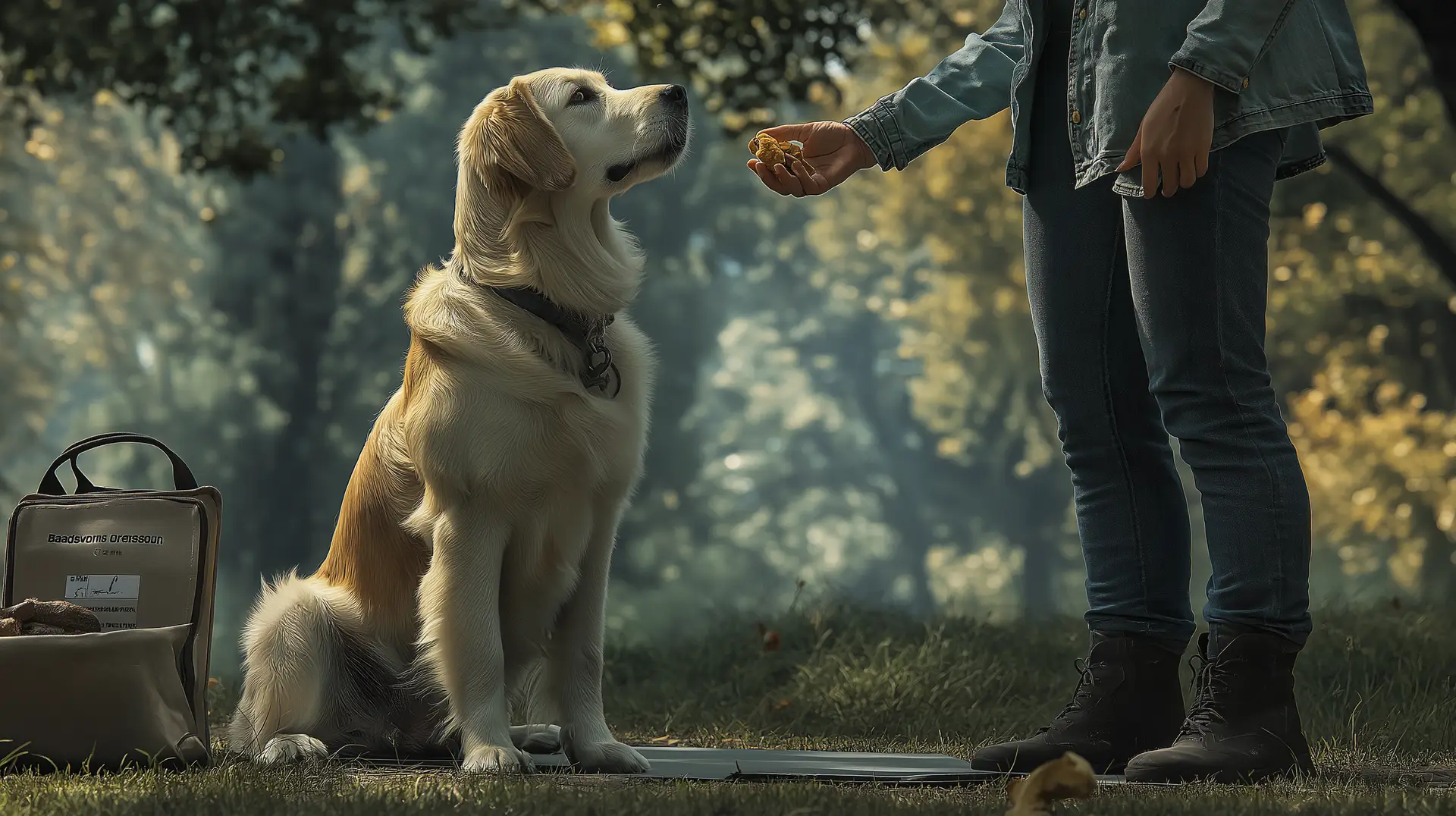
How to Teach Your Large Dog to Sit in 5 Easy Steps

How to Teach Your Large Dog to Sit in 5 Easy Steps

How to Teach Your Large Dog to Sit in 5 Easy Steps

meta: Learn how to teach your large dog to sit in just 5 easy steps! This step-by-step guide is perfect for dog owners looking to train their big furry friends quickly and effectively.


Learn the importance and step-by-step process of teaching your large dog to sit, ensuring better obedience and safety.

Why Teaching Your Large Dog to Sit is Important

Teaching your large dog to sit is more than just a fun trick—it’s a foundational skill that benefits both you and your dog in many ways. Basic obedience is crucial for large dogs because their size and strength can make them more challenging to manage compared to smaller breeds. A well-trained dog is not only easier to handle but also safer to have around others.

The “sit” command is a cornerstone of good behavior. It’s often the first step in teaching your dog self-control, helping them learn to stay calm in various situations. For large breeds, this is especially important because they can easily overpower someone if they jump or get overly excited. Teaching your dog to sit can prevent accidents and ensure they interact safely with people and other animals.

Beyond safety, training your dog to sit strengthens the bond between you and your pet. The process of teaching and learning builds trust and mutual respect, making your relationship more rewarding.

Preparing for Training: Tools and Tips

Before you start training, it’s important to gather the right tools and set the stage for success. You’ll need some tasty treats that your dog loves, a clicker (if you choose to use one), and a leash to help guide them. These tools will make the training process smoother and more effective.

Choose a distraction-free environment for your training sessions. This could be a quiet room in your house or a fenced backyard. The fewer distractions there are, the easier it will be for your dog to focus on you.

Patience and consistency are key. Dogs don’t learn overnight, and large breeds, in particular, might need a little extra time to grasp the concept. Always use positive reinforcement—rewarding good behavior with treats and praise—rather than punishment. This approach encourages learning and builds trust.

Step 1: Get Your Dog’s Attention

The first step in teaching your dog to sit is getting their attention. Start by calling their name in a cheerful tone. This helps them focus on you and signals that something fun is about to happen.

Once you have their attention, use a treat to capture their interest. Hold the treat close to their nose so they can smell it, but don’t let them grab it just yet. Maintaining eye contact during this step is important, as it helps establish a connection and keeps them engaged.

Step 2: Use a Treat to Lure Them into Position

Now that you have your dog’s attention, use the treat to guide them into the sitting position. Hold the treat close to their nose and slowly move it upward and slightly backward. As their head tilts up to follow the treat, their bottom will naturally lower to the ground.

Be patient during this step. If your dog doesn’t sit right away, don’t force them. Instead, reset and try again, keeping the motion slow and deliberate.

Step 3: Add the Verbal Command

As soon as your dog’s bottom touches the ground, introduce the verbal command “sit.” Say the word in a calm, clear tone so they can associate the action with the command.

Timing is everything here. Make sure to say “sit” at the exact moment their bottom hits the ground. This helps reinforce the connection between the word and the behavior.

Step 4: Reward and Reinforce the Behavior

Immediately reward your dog with the treat and plenty of praise. Verbal affirmations like “Good dog!” reinforce positivity and make the experience enjoyable for them.

Repeat this process several times during each training session. Consistency is key to helping your dog understand and remember the command.

Step 5: Practice in Different Environments

Once your dog has mastered the “sit” command in a quiet, controlled environment, it’s time to up the ante. Gradually introduce distractions to test their ability to focus. Start by practicing in your backyard, then move to a park or other public spaces.

Be patient as your dog adjusts to these new environments. It’s normal for them to struggle at first, but with consistent practice, they’ll learn to obey the command no matter where they are.

Troubleshooting Common Challenges

Training a large dog to sit isn’t always smooth sailing. Some dogs may struggle with focus or seem stubborn. If this happens, try shortening your training sessions to keep them engaged. You can also increase the value of the treats you’re using to make the reward more enticing.

If your dog shows signs of frustration, such as whining or turning away, take a break. Training should be a positive experience, so it’s important to recognize when they need a moment to reset.

How Long Does It Take to Teach a Large Dog to Sit?

Every dog is different, but most large dogs can learn to sit within 1-2 weeks of daily practice. Factors like age, temperament, and previous training experience can influence how quickly they pick up the command.

Celebrate small wins along the way. Even if progress feels slow, consistency and positive reinforcement will pay off in the end.

Tips for Maintaining the ‘Sit’ Command Over Time

To keep the “sit” command fresh in your dog’s mind, incorporate it into your daily routines. For example, ask them to sit before meals, during walks, or when greeting guests.

Occasional reinforcement training is also helpful. Set aside time every few weeks to practice the command and reward their compliance. Keeping training sessions fun and rewarding will ensure your dog continues to respond reliably over time.

Conclusion

Teaching your large dog to sit is a rewarding process that strengthens your bond and ensures better behavior. With patience, consistency, and positive reinforcement, you can achieve lasting success.

Basic Obedience Training for Large Dogs: A Complete Guide for 2025

Basic Obedience Training for Large Dogs: A Complete Guide for 2025

Basic Obedience Training for Large Dogs: A Complete Guide for 2025

meta: Learn how to master basic obedience training for large dogs with this complete guide. From essential commands to training tips tailored for big breeds, we cover everything you need to raise a well-behaved, happy pup in 2025.


Why Obedience Training is Essential for Large Dogs

Large dogs come with unique challenges due to their size and strength. A playful jump or an unintentional pull on the leash from a large dog can easily cause accidents or injuries. This makes obedience training not just a nice-to-have but an absolute necessity.

Training ensures safety for both the dog and those around them. A well-trained dog is less likely to act unpredictably, reducing the risk of harm in social or public settings. Beyond safety, obedience training offers several benefits: it improves your dog’s behavior, strengthens the bond between you and your pet, and makes outings more enjoyable and stress-free.

On the other hand, skipping training can lead to serious risks. Without proper guidance, large dogs may develop problematic behaviors like aggression, excessive barking, or lack of control in high-stimulation environments. These issues can escalate over time, making them harder to address later.


Preparing for Training: What You’ll Need

Before starting obedience training, it’s important to gather the right tools. For large dogs, you’ll need:

  • A durable leash and collar (or harness) that can handle their strength.
  • High-value training treats tailored to your dog’s preferences to keep them motivated.
  • A clicker for clicker training, which is optional but can be very effective.
  • A comfortable training space free of distractions to help your dog focus.

Equally important is preparing your dog mentally and physically. Make sure your dog has had some exercise beforehand to burn off excess energy, but not so much that they’re too tired to engage. Consistency and patience are key when working with large breeds. Dogs thrive on routine, so aim to train at the same time each day and keep sessions short and positive.


Teaching Basic Commands: Step-by-Step Guide

Sit

The “sit” command is foundational for large dogs, as it helps manage their size in various situations.

  1. Hold a treat close to your dog’s nose and slowly move it upward.
  2. As their head follows the treat, their bottom will naturally lower to the ground.
  3. The moment they sit, say “sit” and reward them with the treat and praise.

Avoid common mistakes like repeating the command too many times or rewarding your dog when they haven’t fully sat down.

Stay

Teaching “stay” requires patience but is crucial for safety.

  1. Start with your dog in a sitting position.
  2. Hold your hand out, palm facing them, and say “stay.”
  3. Take a small step back, and if they remain in place, reward them immediately.
  4. Gradually increase the distance and duration over time.

High-energy breeds may struggle with focus, so keep sessions short and engaging. Real-life scenarios like crossing busy streets highlight the importance of this command.

Come

A reliable recall is essential, especially for large dogs who can cover significant ground quickly.

  1. Start in a low-distraction environment.
  2. Crouch down, use an enthusiastic tone, and say “come” while holding out a treat.
  3. Reward your dog the moment they approach you.

If your dog doesn’t respond, avoid chasing them. Instead, use a long leash to gently guide them back and reward them for returning.

Leave It

The “leave it” command can prevent dangerous situations, such as your dog picking up harmful objects.

  1. Place a treat in your hand, show it to your dog, and close your fist.
  2. When they stop trying to get the treat, say “leave it” and reward them with a different treat.
  3. Gradually increase the difficulty by using more tempting items or practicing in distracting environments.

Incorporating games like “find the treat” can make learning this command fun and engaging.


Addressing Common Training Challenges for Large Breeds

Training large dogs isn’t without its hurdles. Stubbornness or independent behavior can make progress slow, but consistency and positive reinforcement will eventually pay off. High energy levels can also be a challenge, so ensure your dog gets adequate exercise before training sessions.

For rescue dogs or older large dogs with no prior training, patience is critical. Build trust first before diving into commands. Common issues like leash pulling or jumping can be addressed by redirecting their behavior with commands like “sit” or “heel” and rewarding calm behavior.


Socialization: An Essential Part of Obedience Training

Socialization is just as important as teaching commands. Large dogs need to be comfortable in various environments and around different people and animals. Start by introducing your dog to new experiences gradually, rewarding calm behavior.

If your dog shows signs of fear or aggression, don’t force interactions. Instead, work on desensitizing them in a controlled environment. Group obedience classes can be a great way to combine training with socialization, offering your dog the opportunity to interact with others in a structured setting.


The Role of Positive Reinforcement in Training

Positive reinforcement is one of the most effective training methods for large dogs. Rewards such as treats, praise, or playtime motivate your dog to repeat desired behaviors. Timing is crucial—reward your dog immediately after they perform the desired action to reinforce the connection.

Avoid punishment-based methods, as they can lead to fear, anxiety, or even aggression. Instead, focus on setting your dog up for success and celebrating their progress.


Advanced Obedience Training for Large Dogs

Once your dog has mastered basic commands, you can progress to advanced training. Commands like “heel” and “place” build on their foundation and improve control. Teaching off-leash obedience is another valuable skill, especially for large dogs who enjoy exploring.

Incorporating agility or advanced tricks not only provides mental stimulation but also strengthens your bond with your dog. Advanced training challenges your dog to think critically and deepens their trust in you.


Maintaining Consistency and Progress Over Time

Training doesn’t stop once your dog learns a command. Regular practice is essential to reinforce what they’ve learned. Incorporate training into daily routines, such as practicing “stay” during meals or “come” during walks.

Celebrate milestones to keep training enjoyable for both you and your dog. As your dog matures or develops new habits, adjust your training methods to suit their evolving needs.


When to Seek Professional Help

Sometimes, professional help is necessary, especially if your dog shows persistent aggression, fear, or other behavioral issues. Look for trainers experienced with large breeds who use positive reinforcement methods.

Private sessions can offer personalized attention, while group classes provide socialization opportunities. Costs vary, but investing in professional training can make a significant difference in your dog’s behavior and overall quality of life.

Conclusion

This guide provides actionable steps to train large dogs effectively, ensuring a well-behaved, happy companion. By following the outlined strategies, you can build a strong bond with your dog while addressing challenges unique to large breeds.