by Uncle John | Feb 1, 2025 | Dogs, Tail-Wagging Tips
Unlock Your Dog’s Potential with Proven, Science-Based Training 🐾
Is Your Dog Misbehaving?
Let’s face it—dogs can be a handful. Barking at the postie, chewing your favourite shoes, or ignoring you completely when you call them? Sound familiar? You’re not alone. But here’s the good news: your dog isn’t being naughty on purpose. They just need the right training to channel their energy and intelligence.
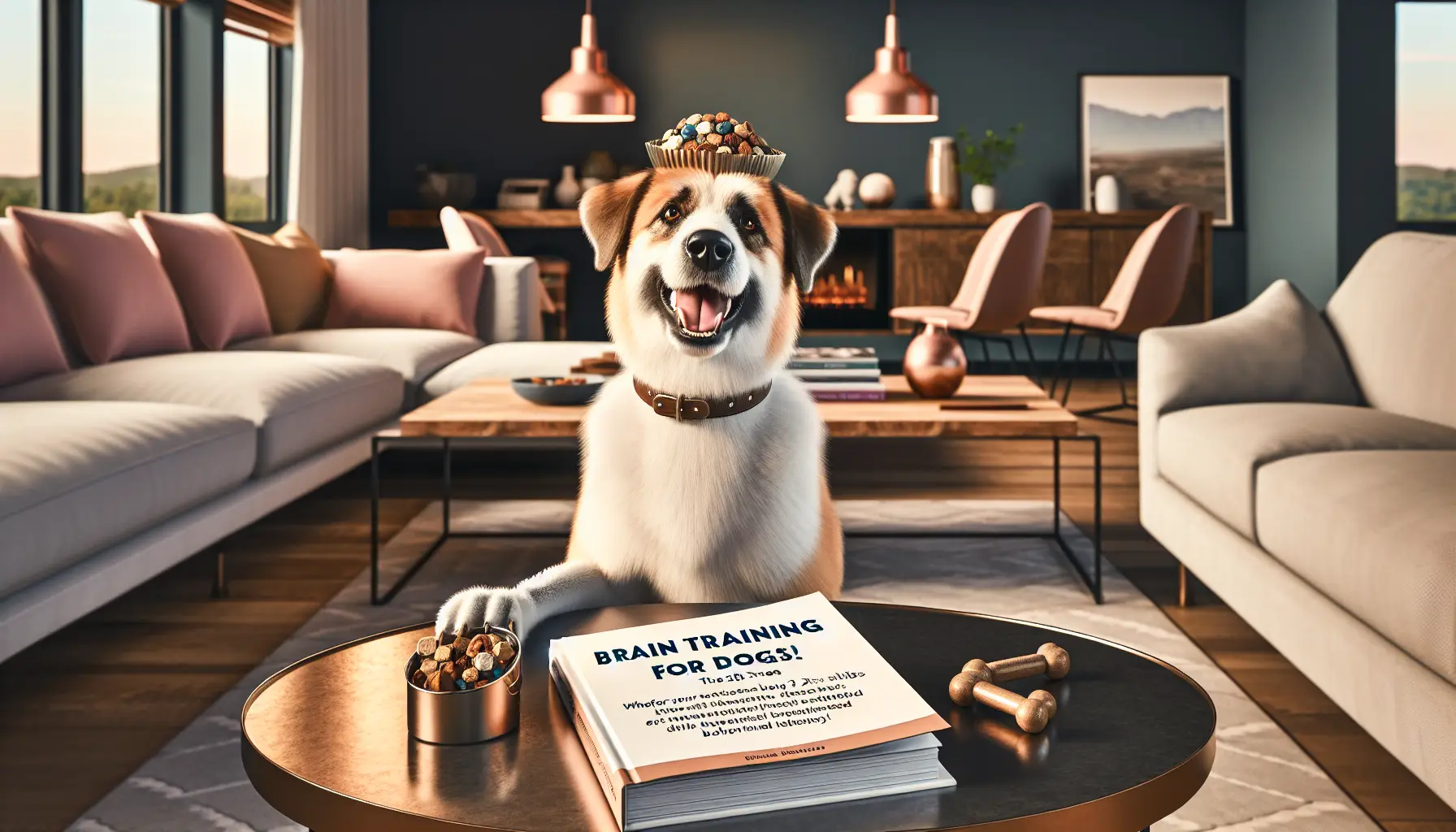
That’s where Brain Training for Dogs comes in.
What is Brain Training for Dogs?
Brain Training for Dogs is an online dog training course designed to help you transform your dog’s behavior using positive reinforcement and science-based methods. Created by a professional dog trainer with years of experience, this course is perfect for dogs of all ages, breeds, and temperaments.
Whether you’re dealing with a mischievous puppy, a stubborn adult dog, or a senior pup who’s set in their ways, this course has you covered.
Why Choose Brain Training for Dogs?
✅ Proven Results: Thousands of happy dogs (and owners) have seen incredible transformations.
✅ Easy-to-Follow Lessons: Step-by-step training modules that even beginners can follow.
✅ Positive Reinforcement: No yelling, no punishment—just effective, kind training methods.
✅ Lifetime Access: Train at your own pace, anytime, anywhere.
✅ Bonus Resources: Troubleshooting guides, fun tricks, and mental stimulation games included.
What You’ll Learn
- Basic Commands: Sit, stay, come, and more.
- Behavior Fixes: Stop barking, chewing, jumping, and pulling on the leash.
- Advanced Training: Teach fun tricks and improve focus.
- Mental Stimulation: Keep your dog’s brain sharp and engaged.
Here’s What Others Are Saying
🌟 “I was at my wit’s end with my dog’s barking. After just a few weeks of Brain Training for Dogs, he’s like a different dog! I can’t recommend this course enough.” – Sarah, proud dog mum
🌟 “The step-by-step lessons made training so easy. My dog loves the mental games, and I love how well-behaved he is now!” – Tom, happy customer
Get Started Today!
Ready to transform your dog’s behavior and strengthen your bond? Enroll in Brain Training for Dogs today and see the difference for yourself.
👉 Click Here to Join Now!
Free Bonus: Download Our Exclusive Guide!
Not quite ready to commit? No worries! We’ve got a FREE digital download to get you started. It’s packed with tips, tricks, and training exercises to help you and your dog get on the right track.
👉 Click Here to Get Your Free Guide!
Frequently Asked Questions
Q: Is this course suitable for all dog breeds?
A: Absolutely! Whether you’ve got a tiny Chihuahua or a giant Great Dane, the methods in this course work for all breeds.
Q: How long does it take to see results?
A: Many dog owners see improvements within the first week, but every dog is different. Consistency is key!
Q: Can I access the course on my phone?
A: Yes! The course is fully mobile-friendly, so you can train your dog anytime, anywhere.
Don’t Wait—Your Dog Deserves the Best!
A well-trained dog isn’t just a joy to be around—they’re happier, healthier, and more confident too. With Brain Training for Dogs, you’ll have everything you need to unlock your dog’s potential and build a stronger bond.
👉 Enrol Now and Start Training Today!
Still on the Fence?
No problem! Grab our FREE guide and see how easy it is to start training your dog today.
👉 Click Here to Get Your Free Guide!
by Uncle John | Jan 29, 2025 | Dogs, Tail-Wagging Tips
.separator {
border: none;
border-top: 2px solid black; /* Adjust thickness and color */
width: 50%; /* Set the width you want */
margin: 20px auto; /* Center the line and add spacing */
}
The Ultimate Guide to [Brain Training for Dogs]: Tips, Tricks, and Techniques for 2025
Discover the best Brain Training for Dogs techniques and tips for 2025. Learn practical advice to enhance your dog’s learning and behaviour.
Did you know that
dogs who undergo consistent brain training show a 60% improvement in obedience and behavior? Whether you’re looking to refine your dog’s skills or tackle new challenges, this guide has everything you need to succeed in 2025.
Focus on Positive Reinforcement
When it comes to brain training for dogs, the cornerstone of success is positive reinforcement. Honestly, this technique has been a game-changer for many dog owners. Instead of focusing on what your dog is doing wrong, you zero in on what they’re doing right. For example, when your dog sits on command or stops barking when asked, you immediately reward them with a treat, praise, or even a quick play session. It’s all about creating a connection in their brain: “Good behavior = good things.”
I remember when I first tried this with my own pup. She was a nightmare on walks—pulling, lunging at squirrels, the works. But once I started using a treat pouch and rewarding her calm walking, she turned into a completely different dog. It wasn’t overnight, but the results were worth the effort.
Keep Training Sessions Short and Fun
Dogs have short attention spans—just like us when we’re scrolling through social media, right? That’s why training sessions need to be short and engaging. A good rule of thumb is to keep sessions between 5 to 10 minutes. Any longer, and your dog might lose interest or get frustrated, which can lead to setbacks.
For example, if you’re working on teaching your dog a new trick like “spin,” break the process into tiny steps. Reward them for even the smallest progress, like just turning their head initially. And always end on a high note—if your dog nails a command, finish the session there and celebrate with a belly rub or some playtime.
I learned this the hard way when I tried to teach my dog “roll over” in one go. She ended up lying there looking confused, and I felt like a failure. Breaking it into smaller pieces the next day made all the difference.
Use Puzzle Toys to Stimulate Their Brain
Puzzle toys are like the Sudoku of the dog world—they’re perfect for keeping your pup’s brain sharp. These toys challenge your dog to figure out how to get to a hidden treat, which taps into their natural problem-solving skills. Plus, they’re super helpful for when you’re busy and need to keep your dog entertained.
One of my favorites is the classic Kong filled with peanut butter and a few pieces of kibble. It’s simple, effective, and keeps my dog occupied for a good 20 minutes. There are also more advanced options, like sliding puzzles or treat-dispensing balls, for dogs who love a challenge.
Just be sure to supervise the first few times your dog uses a new puzzle toy. Some dogs get frustrated and might try to chew their way to the prize (trust me, I’ve learned this the hard way).
Incorporate Clicker Training
Clicker training is another fantastic tool for brain training. It’s all about marking the exact moment your dog does something right with a distinctive “click” sound, followed by a reward. Think of it as taking a mental snapshot of good behavior for your dog.
I was skeptical about clicker training at first, but once I tried it, I was hooked. My dog caught on so quickly—it’s like the click made everything crystal clear for her. One of the first things we worked on was “leave it.” Every time she backed away from a forbidden snack on the floor, I clicked and rewarded her. Within days, she had it down.
Pro tip: Be consistent with your clicks. The sound should always mean, “Yes, that’s exactly what I wanted!”
Rotate Training Exercises to Avoid Boredom
Dogs thrive on variety, so don’t get stuck in a rut with the same old commands. Rotating training exercises keeps things fresh and prevents your dog from losing interest. For instance, you might work on obedience one day (like “sit” and “stay”) and switch to fun tricks the next (like “paw” or “play dead”).
One week, I decided to mix things up by teaching my dog to fetch specific toys by name. It was challenging at first, but it turned into one of her favorite games. Now, when I say “Get your ball,” she knows exactly what to do.
If you’re running out of ideas, there are tons of resources online, from YouTube tutorials to dog training apps. Trust me, your dog will love the variety, and you’ll have a blast teaching them.
Be Patient and Consistent
Above all, patience and consistency are key. Training your dog’s brain isn’t an overnight process—it takes time, repetition, and a whole lot of treats. There will be days when your dog seems to forget everything you’ve taught them, and that’s okay. Just take a deep breath, reset, and try again later.
I can’t tell you how many times I’ve wanted to throw in the towel, especially when my dog went through her teenage phase (yes, that’s a thing). But sticking with it paid off in ways I couldn’t have imagined. Now, not only is she well-behaved, but our bond is stronger than ever.
So, grab that treat pouch, load up on patience, and get ready to watch your dog’s brain—and your relationship—grow.
Brain Training for Dogs is more than just an activity—it’s an opportunity to enhance your dog’s intelligence and behavior. Apply these tips, stay consistent, and see the results for yourself in 2025!
🐶 Free Dog Training Guide 📖
Learn simple techniques to train your large dog with ease! Download your free guide now.
📥 Download Now
by John Fryer | Jan 13, 2025 | Dogs, Tail-Wagging Tips
Mastering the ‘Come’ Command: Recall Training for Large Dogs in 2025
meta: Struggling with recall training for your large dog? Learn how to master the ‘Come’ command with step-by-step techniques, expert tips, and common mistakes to avoid. Perfect for owners of big breeds like Labradors, German Shepherds, and more!
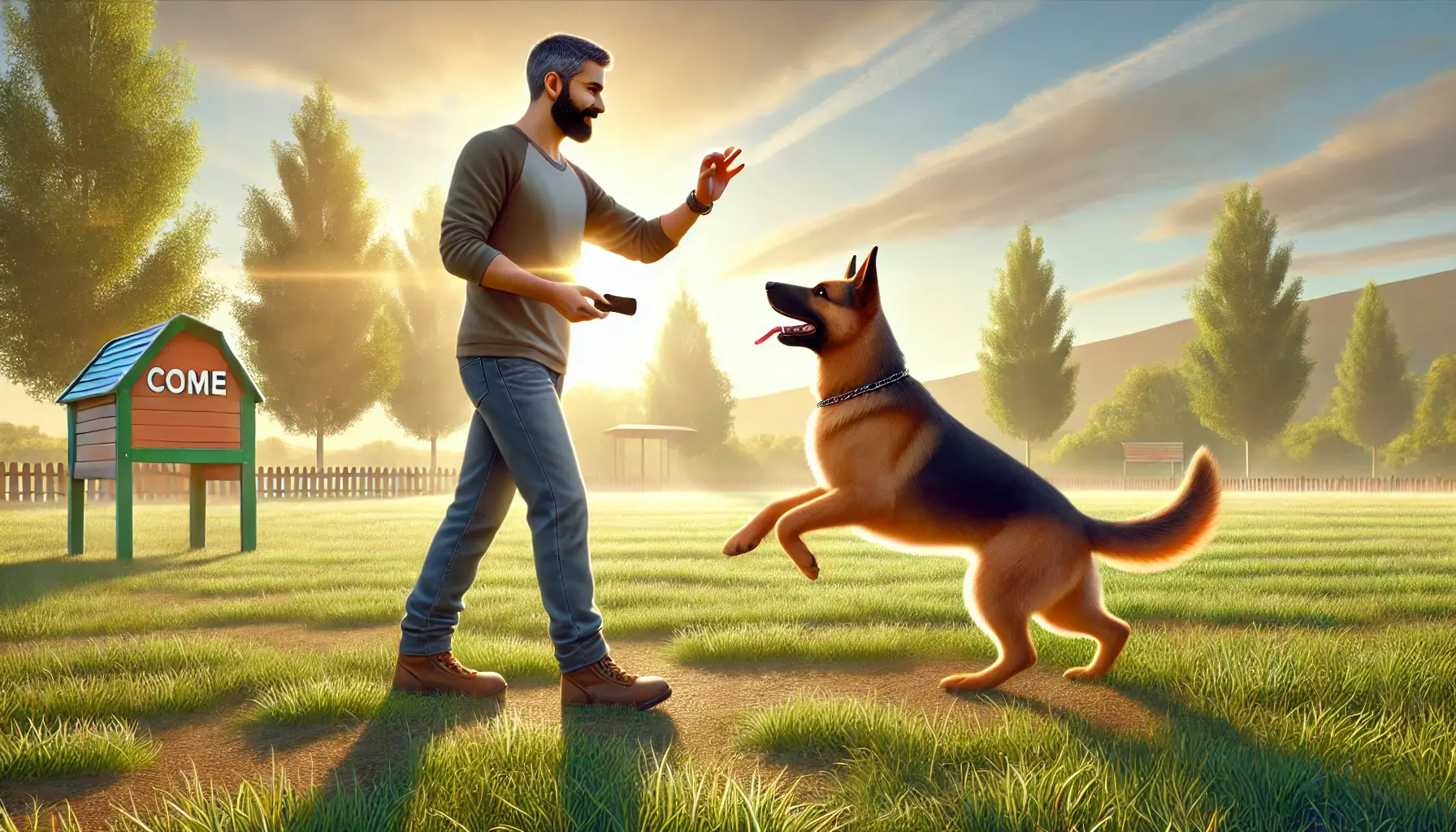
Recall training can feel like a Herculean task for large dog owners. If you’ve ever called your dog only to watch them gleefully sprint in the opposite direction, you’re not alone! Teaching your dog to reliably respond to the ‘Come’ command is one of the most important skills for their safety and your sanity. Large breeds like German Shepherds, Golden Retrievers, and Great Danes bring unique challenges to the table due to their size, strength, and sometimes stubborn personalities. But don’t worry—this guide is here to help you transform your big furry friend into a recall pro. Let’s dive into the techniques, tools, and tips that will make training a success!
Why Recall Training Is Crucial for Large Dogs
Safety First: Preventing Dangerous Situations
When it comes to large dogs, recall training is more than just a convenience—it’s a lifesaver. Imagine your dog darting toward a busy road or chasing after wildlife. A solid recall command can prevent accidents and keep your dog out of harm’s way. Large breeds are powerful and fast, which means they can cover a lot of ground quickly. Being able to call them back reliably can make all the difference in dangerous situations.
Control in Public Spaces
Large dogs can be intimidating to other people and animals, even if they’re friendly. Recall training helps you maintain control in public spaces like dog parks, hiking trails, or other off-leash areas. With a reliable recall, you can confidently let your dog explore while ensuring they won’t cause disruptions or get into trouble.
Building Trust
A well-trained recall strengthens the bond between you and your dog. It’s about more than just obedience—it’s about communication and trust. When your dog knows they can rely on you for clear guidance and positive reinforcement, your relationship deepens, and their confidence in you grows.
Unique Challenges of Large Breeds
Large dogs often come with unique behavioral traits that make recall training especially important. Their strength and independence can make them harder to manage if they decide to ignore you. Many large breeds also have a strong prey drive, making them more likely to chase after animals or objects. These challenges highlight why recall training is essential for their safety and your peace of mind.
Understanding Your Large Dog’s Behavior and Motivation
Know Your Breed
Every dog is different, and understanding your large dog’s breed-specific traits can help you tailor your training. For example, herding breeds like German Shepherds may be naturally attentive but prone to chasing, while guarding breeds like Rottweilers may be more independent. Hunting breeds like Labradors or Retrievers might find scents irresistible, which can distract them from recall commands.
The Role of Energy
High-energy breeds often struggle with focus, making recall training more challenging. These dogs may need additional exercise or mental stimulation before training sessions to help them concentrate. A tired dog is often a more focused dog.
Positive Reinforcement
Dogs respond best to positive reinforcement, especially during recall training. Using rewards like treats, toys, or enthusiastic praise motivates your dog to come back to you. Punishment, on the other hand, can create fear and undermine your efforts.
Common Distractions for Large Dogs
Large dogs are often drawn to distractions like wildlife, other dogs, interesting smells, or moving objects. Acknowledging and addressing these distractions during training will help you build a reliable recall, even in challenging environments.
Long Training Leash
A 20-30 ft leash is a must-have for recall training. It allows your dog to explore while giving you control in case they get distracted or don’t respond immediately. It’s a safe way to practice recall in open spaces without the risk of your dog running off.
High-Value Treats
Not all treats are created equal. For recall training, use something irresistible like freeze-dried liver, cheese, or small pieces of chicken. High-value rewards make it more likely that your dog will prioritize you over distractions.
Clicker Training
A clicker can be a helpful tool for reinforcing recall commands. The sound of the clicker marks the exact moment your dog performs the desired behavior, making it easier for them to understand what you want.
Whistles vs. Verbal Commands
Some owners prefer using a whistle for recall, as it carries over long distances and remains consistent regardless of your tone or mood. However, verbal commands can be just as effective if used consistently. Choose the method that works best for you and your dog.
Harness vs. Collar
For large dogs, a harness is often safer than a collar during recall training. It reduces the risk of injury if your dog pulls or lunges while on a long leash, giving you more control without putting pressure on their neck.
Step-by-Step Guide to Teaching the ‘Come’ Command
Step 1: Start Indoors
Begin training in a quiet, controlled environment with minimal distractions. Call your dog’s name followed by the command “Come,” and reward them immediately when they respond.
Step 2: Use a Long Leash Outdoors
Once your dog is consistent indoors, move to an open outdoor area with a long leash. Gradually introduce low-level distractions and continue to reward your dog for coming to you.
Step 3: Pair the Command with Rewards
Always reward your dog when they come to you, whether it’s with treats, toys, or praise. This positive association reinforces the behavior.
Step 4: Add Distance and Distractions
As your dog improves, increase the distance and introduce more distractions. Practice in different environments to ensure your dog responds reliably in various situations.
Step 5: Practice Off-Leash (When Safe)
Once your dog has mastered recall on a leash, transition to off-leash training in a secure, enclosed area. Always make coming to you a positive experience—never punish your dog after they come, even if they took their time.
Pro Tip
Avoid calling your dog only when it’s time to end fun activities. Mix recall commands into playtime so they don’t associate “Come” with the end of their freedom.
Common Mistakes to Avoid in Recall Training
- Inconsistent Commands: Stick to one recall word, like “Come,” to avoid confusing your dog.
- Punishing After Recall: Never scold your dog after they come to you, even if they misbehaved earlier.
- Overusing the Command: Don’t call your dog too often or when you’re unsure they’ll respond. This can dilute the command’s importance.
- Ignoring Distractions: Train with real-world distractions to ensure reliable recall in all situations.
- Skipping Practice: Regular, short training sessions are key to maintaining your dog’s recall skills.
Advanced Recall Techniques for Large Dogs
Adding a Release Word
Teach your dog a release word like “Okay” or “Free” to let them know when they can move again. This prevents them from assuming recall means the end of fun.
Emergency Recall
Train a special recall word for life-or-death situations. Use it sparingly and pair it with the highest-value rewards to ensure your dog responds instantly.
Using Body Language
Your posture, gestures, and tone can greatly influence your dog’s response. Make yourself approachable and exciting when calling them.
Group Training Sessions
Practice recall in environments with other dogs and people to help your dog stay focused despite distractions.
Distance Recall Commands
Work on getting your dog to respond from greater distances, eventually aiming for 50+ feet. This is especially useful for large dogs in open spaces.
Troubleshooting Recall Training Challenges
- My Dog Ignores Me Outdoors: Start with fewer distractions and gradually build up. Use higher-value rewards to compete with outdoor stimuli.
- My Dog Only Comes for Treats: Transition to using praise or play as rewards over time, but don’t eliminate treats entirely.
- My Dog Runs Away When I Call: Avoid chasing them. Instead, make yourself more interesting by running in the opposite direction or using a toy to lure them back.
- My Dog is Stubborn or Independent: Adjust your training approach for breeds known for independence, like Huskies. Be patient and consistent.
- My Dog Stops Halfway: Keep your energy high and reward them only when they fully reach you.
Maintaining Recall Training Long-Term
Consistency is Key
Practice regularly to keep the behavior fresh and reliable. Even well-trained dogs need occasional refreshers.
Refreshing the Command
Revisit recall training every few months to reinforce the behavior and ensure it remains strong.
Incorporating Recall into Daily Life
Use the recall command during everyday activities like walks, playtime, or mealtime to make it a natural part of your dog’s routine.
Reward Intermittently
As your dog becomes more reliable, switch to intermittent rewards to keep them motivated without over-reliance on treats.
Celebrate Progress
Acknowledge your dog’s improvements with enthusiasm and rewards. Keeping training fun will ensure both you and your dog enjoy the process.
Conclusion
This outline provides a comprehensive structure for creating an informative, engaging, and SEO-optimized article on recall training for large dogs.
by John Fryer | Jan 13, 2025 | Dogs, Tail-Wagging Tips
How to Teach ‘Leave It’ to Large Dogs Using Positive Reinforcement in 2025
meta: Learn how to teach ‘Leave It’ to large dogs using positive reinforcement techniques! This step-by-step guide makes training fun, effective, and stress-free for you and your furry friend.
This guide provides a comprehensive approach to teaching the ‘Leave It’ command to large dogs using positive reinforcement techniques, ensuring a safe and enjoyable training experience.
Why ‘Leave It’ is a Crucial Command for Large Dogs
Importance of Teaching Impulse Control to Large Breeds
Impulse control is a critical skill for any dog, but it becomes especially important for large breeds. These dogs often have the size and strength to unintentionally cause harm or damage when they act on impulse. Teaching the ‘Leave It’ command helps large dogs learn to pause and think before acting, which is essential for fostering a safe and harmonious relationship between the dog, its owner, and the community.
Real-Life Scenarios Where ‘Leave It’ Can Prevent Accidents or Harm
The ‘Leave It’ command can be life-saving in certain situations. For example, if a large dog lunges for a piece of food that could be toxic, like chocolate or grapes, a well-timed ‘Leave It’ can prevent ingestion. Similarly, this command can stop a dog from picking up dangerous objects, such as broken glass or sharp debris, or from approaching other animals that might pose a threat. This skill is not just about obedience—it’s about ensuring safety for everyone involved.
Benefits of Using Positive Reinforcement Over Punishment-Based Methods
Positive reinforcement is the most effective way to teach the ‘Leave It’ command. Instead of punishing a dog for making mistakes, positive reinforcement rewards the desired behavior, making the dog more likely to repeat it. This approach builds trust and strengthens the bond between you and your dog, which is especially important for large breeds that need to feel secure and respected.
How Large Dogs’ Size and Strength Make This Command Especially Important
Large dogs can inadvertently cause more damage than smaller breeds simply due to their size and strength. A poorly trained large dog lunging for an object or getting into something dangerous can be difficult to control. Teaching ‘Leave It’ ensures that you have a reliable way to manage their behavior, even in high-stakes or distracting environments.
Understanding Positive Reinforcement for Dog Training
Definition of Positive Reinforcement and How It Works
Positive reinforcement involves rewarding a dog for performing a desired behavior, which increases the likelihood of that behavior being repeated. This can include treats, toys, praise, or playtime. The key is to immediately reward the behavior so the dog associates the action with something positive.
Why Positive Reinforcement Is Effective for Large Dogs
Large dogs thrive on trust and mutual respect. Positive reinforcement is particularly effective for them because it creates a stress-free learning environment. Instead of fearing punishment, the dog focuses on earning rewards, which makes training more enjoyable and effective.
Common Rewards: Treats, Toys, Praise, and Playtime
Rewards can vary based on what motivates your dog. Treats are often the go-to, but some dogs respond better to toys, verbal praise, or even a quick play session. For large dogs, using high-value rewards that capture their attention can make training sessions more productive.
The Science Behind Reinforcing Good Behavior Instead of Punishing Bad Behavior
Research shows that dogs learn faster and retain behaviors longer when training focuses on rewarding good actions rather than punishing mistakes. Punishment can lead to fear or anxiety, which may cause behavioral issues down the road. Positive reinforcement encourages your dog to think critically and make better choices.
Choosing the Right Treats for Large Dogs
When selecting treats, opt for high-value options that your dog loves but that are also size-appropriate. Treats should be small enough to avoid overfeeding but enticing enough to hold their attention during training.
Using a Clicker or Verbal Marker to Reinforce the Behavior
A clicker or verbal marker like “Yes!” can help your dog understand exactly when they’ve done something right. This immediate feedback bridges the gap between the behavior and the reward, making learning more efficient.
Setting Up a Distraction-Free Environment for Initial Training
Start training in a quiet, distraction-free area to help your dog focus. Once they’ve mastered the command in this controlled setting, you can gradually introduce distractions to test their skills.
Understanding Your Dog’s Body Language to Gauge Stress or Confusion
Pay attention to your dog’s body language during training. Signs of stress, such as yawning, licking lips, or avoiding eye contact, indicate that your dog may need a break. Recognizing these cues ensures that training remains a positive experience.
Step-by-Step Guide to Teaching ‘Leave It’
Step 1: Start with a Low-Value Object and Reward for Ignoring It
Place a low-value object, like a sock or a leaf, on the ground. When your dog ignores it, immediately reward them with a treat and praise.
Step 2: Add a Verbal Cue Like ‘Leave It’ While Maintaining Consistency
Once your dog starts understanding the concept, introduce the verbal cue ‘Leave It’ as they move toward the object. Be consistent with your tone and timing.
Step 3: Gradually Increase the Difficulty with Higher-Value Items
As your dog becomes more reliable, practice with higher-value items like food or toys. Reward them generously when they successfully ‘leave it.’
Step 4: Introduce Distractions in Controlled Settings
Test the command in environments with mild distractions, such as other people or background noise. Gradually increase the level of difficulty as your dog improves.
Step 5: Practice in Real-World Scenarios to Solidify the Behavior
Finally, practice the ‘Leave It’ command in real-world situations, such as on walks or in parks. This ensures your dog can perform the behavior reliably in any setting.
Common Challenges and How to Overcome Them
Large Dogs Losing Focus Due to High Energy or Distractions
Large dogs can have high energy levels, making it hard for them to focus. Use short, engaging sessions and high-value rewards to keep their attention.
How to Handle Frustration When Progress Feels Slow
Training takes time, and it’s normal to feel frustrated. Stay patient and remember that progress, no matter how small, is still progress.
Avoiding Accidental Reinforcement of the Wrong Behavior
Be mindful not to accidentally reward unwanted behaviors. For instance, if your dog grabs an object and you chase them, they may see it as a game.
Tips for Staying Consistent and Patient Throughout the Training Process
Consistency is key. Make sure everyone in your household uses the same commands and rewards system to avoid confusing your dog.
Tips for Success When Training Large Dogs
Keeping Training Sessions Short and Engaging
Large dogs have shorter attention spans than you might expect. Keep sessions between 5-10 minutes to prevent boredom or frustration.
Using a Firm but Friendly Tone to Maintain Trust and Respect
Your tone matters. Be firm enough to convey authority but friendly enough to maintain your dog’s trust and enthusiasm.
Incorporating Training into Daily Activities for Reinforcement
Reinforce the ‘Leave It’ command during daily routines, such as mealtime or walks. This helps your dog see training as part of everyday life.
Celebrating Small Wins to Keep Motivation High
Celebrate every success, no matter how small. Positive reinforcement works for humans too, and celebrating milestones keeps both you and your dog motivated.
When to Seek Professional Help
Signs That Your Dog May Need Professional Training Support
If your dog shows signs of aggression, extreme anxiety, or consistently ignores commands, it may be time to consult a professional trainer.
How to Find a Qualified Positive Reinforcement Trainer
Look for trainers who specialize in positive reinforcement methods. Check reviews, ask for references, and observe a class if possible.
The Benefits of Group Training Classes for Socializing Large Dogs
Group classes not only improve obedience but also help large dogs develop social skills. This is especially helpful for breeds prone to reactivity.
Understanding When to Escalate Training for Safety Concerns
If your dog’s behavior poses a safety risk to themselves or others, escalate training immediately. A professional can help address these issues effectively.
Conclusion
By following this guide, you can effectively teach your large dog the ‘Leave It’ command, fostering better behavior, safety, and a stronger bond with your pet. Remember, patience and consistency are key to successful training!
by John Fryer | Jan 12, 2025 | Dogs, Tail-Wagging Tips
Training Your Large Dog to Lie Down: Tips and Techniques
meta: Discover expert tips and techniques for training your large dog to lie down. Learn step-by-step methods, common challenges, and solutions to help your pup master this essential command.
Training your large dog to lie down is an essential skill that ensures safety, discipline, and a calmer household. This guide will provide you with actionable steps, tools, and advanced techniques to help your dog master this command.
Why Teaching ‘Lie Down’ Is Essential for Large Dogs
Teaching your large dog to ‘lie down’ is more than just a basic obedience command—it’s a vital tool for their safety, discipline, and overall well-being. Large breeds can be strong, energetic, and sometimes overwhelming, so having a reliable ‘lie down’ cue can help manage their behavior effectively.
One of the key benefits of this command is preventing accidents. For example, if your large dog gets overly excited in a busy area or around small children, asking them to ‘lie down’ can immediately calm the situation. It’s also a great way to manage high-energy dogs, helping them settle when their excitement peaks.
Real-life scenarios highlight how useful this command can be. Imagine you’re at the vet, and your dog is nervous and pacing—having them lie down can make the experience less stressful for everyone involved. Similarly, during outdoor dining or social gatherings, a well-timed ‘lie down’ can prevent your dog from jumping on guests or knocking over tables.
Preparing for Training: What You’ll Need
Before you start training, it’s important to gather the right tools and create an environment conducive to learning. You’ll need a leash, high-value treats, a clicker (optional but helpful), and a quiet space free of distractions.
When choosing treats for large dogs, opt for ones that are enticing and easy to chew. Soft, bite-sized treats work best, as they allow for quick rewards without interrupting the training flow. High-value rewards like small pieces of chicken or cheese can be particularly motivating.
Patience and consistency are your most important tools. Training a large dog to ‘lie down’ may not happen overnight, but with regular practice and a calm demeanor, your dog will eventually master the command.
Step-by-Step Techniques to Teach Your Large Dog to Lie Down
Method 1: Lure Training
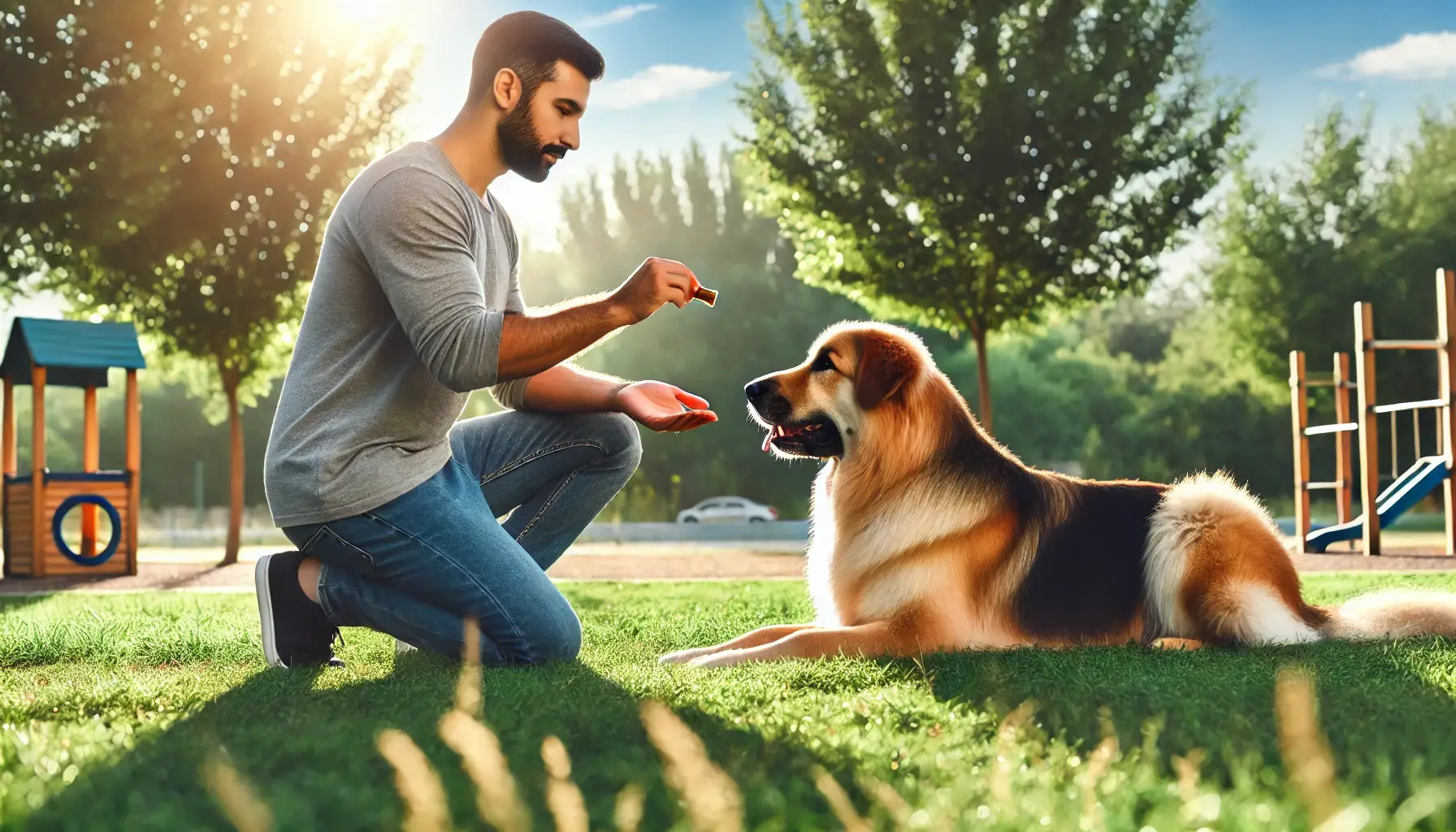
Lure training is one of the most straightforward ways to teach ‘lie down.’ Start by holding a treat close to your dog’s nose, and slowly move it down toward the ground. As your dog follows the treat, their body will naturally lower into the ‘down’ position.
Once they’re lying down, immediately reward them with the treat and praise. Repeat this process several times, adding a verbal cue like “down” once they consistently follow the lure. If your dog doesn’t follow the treat, try using a more enticing reward or adjust the speed of your movements.
Method 2: Capturing Behavior
This method involves observing your dog and rewarding them when they naturally lie down. Keep treats handy and wait for your dog to lie down on their own. The moment they do, say your cue word (e.g., “down”), and reward them generously.
Over time, your dog will associate the cue with the action. This method works well for dogs who frequently lie down on their own, but it may take longer than lure training. It’s also less effective for high-energy dogs who rarely settle on their own.
Method 3: Using Pressure and Release
For dogs who need a bit more guidance, you can use gentle leash pressure to encourage the ‘lie down’ position. With your dog on a leash, apply light downward pressure while guiding them into position. The moment they lie down, release the pressure and reward them.
It’s essential to ensure this method is stress-free. Avoid pulling too hard or creating tension, as this can cause fear or resistance. Once your dog understands the motion, transition to verbal or hand signals to reinforce the behavior.
Common Challenges When Training Large Dogs
Large dogs may resist lying down for several reasons, such as discomfort, fear, or stubbornness. If your dog seems hesitant, consider whether they might be uncomfortable on hard or cold surfaces. Using a soft mat or blanket can make a big difference.
Fear or anxiety can also play a role. If your dog seems nervous, use a calm voice, and avoid forcing them into position. Gradually build their confidence with positive reinforcement.
High-energy dogs can be easily distracted during training. To manage this, tire them out with a walk or play session before starting. Keep training sessions short and engaging to hold their attention.
For older or arthritic dogs, lying down might be physically challenging. Be mindful of their limitations and consult your vet if needed.
Reinforcing the ‘Lie Down’ Command Over Time
Once your dog has learned the ‘lie down’ command, it’s important to reinforce it in various settings. Practice in different environments, such as the park, at home, or during walks, to ensure your dog responds reliably regardless of distractions.
To reduce treat dependency, gradually transition to using praise, petting, or occasional treats as rewards. Incorporate ‘lie down’ into daily routines, such as before meals or during playtime, to make it a natural part of your dog’s behavior.
Real-world applications of ‘lie down’ are endless. Whether you’re at a crowded event, visiting the vet, or simply trying to relax at home, this command can help your dog stay calm and focused.
Advanced Training Techniques for Large Dogs
Once your dog has mastered the basics, you can take their training to the next level. Start by adding distance and duration to the ‘lie down’ command. For example, ask your dog to lie down and stay in position while you step away or move around.
You can also introduce specific cues, such as hand signals, to make the command more versatile. Combining ‘lie down’ with other commands like ‘stay’ or ‘come’ can further enhance your dog’s obedience skills.
If you’re aiming for advanced training or struggling to achieve consistency, consider working with a professional trainer. They can provide personalized guidance and help you refine your techniques.
Mistakes to Avoid When Training a Large Dog
Training large dogs requires a thoughtful approach. Avoid overusing corrections or negative reinforcement, as this can damage your dog’s trust and willingness to learn. Focus on positive reinforcement to encourage cooperation.
Rushing the process is another common mistake. Dogs learn at their own pace, so be patient and celebrate small victories along the way. Consistency is also key—using different cues or commands can confuse your dog and slow progress.
Finally, always pay attention to your dog’s body language. Signs of stress, such as yawning, lip licking, or avoiding eye contact, indicate that your dog may need a break. Respect their limits to ensure training remains a positive experience.
Conclusion
Mastering the ‘lie down’ command is a crucial step in ensuring your large dog is well-behaved, safe, and calm. With patience, consistency, and the right techniques, you can build a stronger bond with your dog while improving their obedience skills.
by John Fryer | Jan 12, 2025 | Dogs, Tail-Wagging Tips
The ‘Stay’ Command for Large Dogs: A Beginner’s Guide
meta: Master the ‘Stay’ command for large dogs with this beginner’s guide! Discover step-by-step training tips, common challenges, and expert advice to help your big pup learn this essential obedience skill.
Master the ‘Stay’ command for large dogs with this beginner’s guide! Discover step-by-step training tips, common challenges, and expert advice to help your big pup learn this essential obedience skill.
Why Teaching the ‘Stay’ Command Is Crucial for Large Dogs
Obedience training is essential for all dogs, but it’s especially critical for large breeds. Their size and strength can make them harder to manage if they’re not properly trained, which is why commands like “Stay” are so important. A well-trained large dog is not only a joy to be around but also safer for you, your family, and the dog itself.
Teaching “Stay” offers numerous safety benefits. Imagine you’re out for a walk and encounter a busy street or another dog. A large dog that knows how to stay on command can avoid potentially dangerous situations. Even at home, “Stay” can prevent accidents, like keeping your dog from bolting out the door or jumping on guests.
Beyond safety, mastering “Stay” can improve your dog’s overall behavior. It requires focus and patience, which helps calm even the most energetic dogs. Plus, working on this command strengthens the bond between you and your dog, as it builds trust and communication.
There are countless real-life scenarios where “Stay” proves invaluable. For example, during vet visits, having your dog stay calm and still can make the experience less stressful for everyone involved. Similarly, when children are around, a large dog that knows to stay in place can prevent accidental knocks or scares.
Understanding Large Dog Behavior and How It Impacts Training
Large dogs often have different temperaments and energy levels compared to smaller breeds. While some large dogs are naturally mellow, others can be high-energy or easily distracted. These differences impact how you approach training.
One unique challenge with large dogs is their strength. If your dog decides to ignore a command, it can be physically difficult to control them. Stubbornness or a tendency to get distracted can also complicate training. That’s why patience, consistency, and positive reinforcement are key.
Understanding what motivates your dog is crucial. Some large dogs respond best to treats, while others may prefer toys or verbal praise. Identifying what works for your dog will make training sessions more effective and enjoyable.
Step-by-Step Guide to Teaching the ‘Stay’ Command
Preparing for Training
Start by choosing a quiet, distraction-free space for training. Gather tools like high-value treats or a clicker if you use one. This will set both you and your dog up for success.
Breaking Down the Process
Step 1: Start with the ‘Sit’ Command
Before teaching “Stay,” make sure your dog has mastered “Sit.” This provides a solid foundation for the next steps.
Step 2: Introduce the ‘Stay’ Command
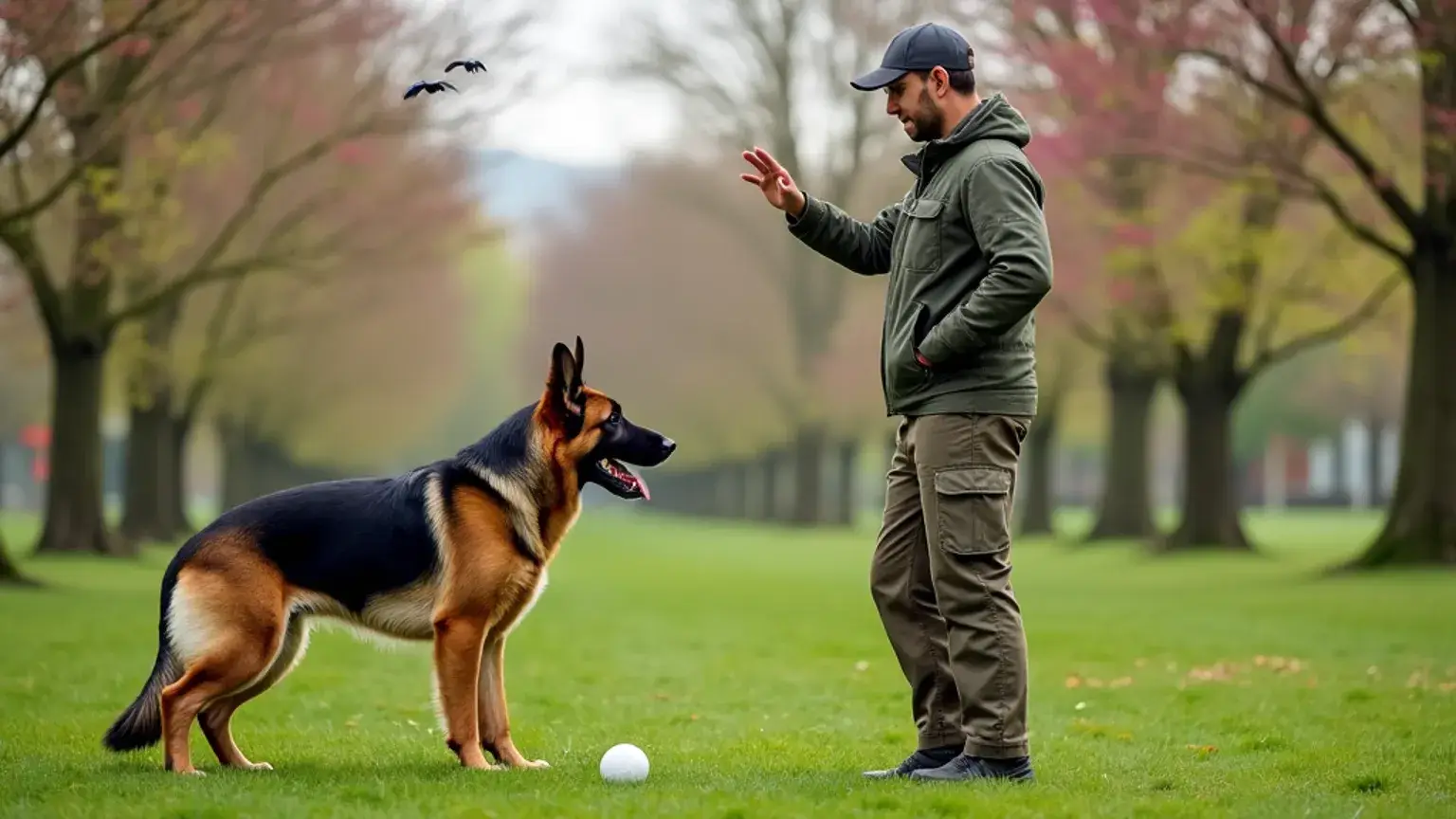
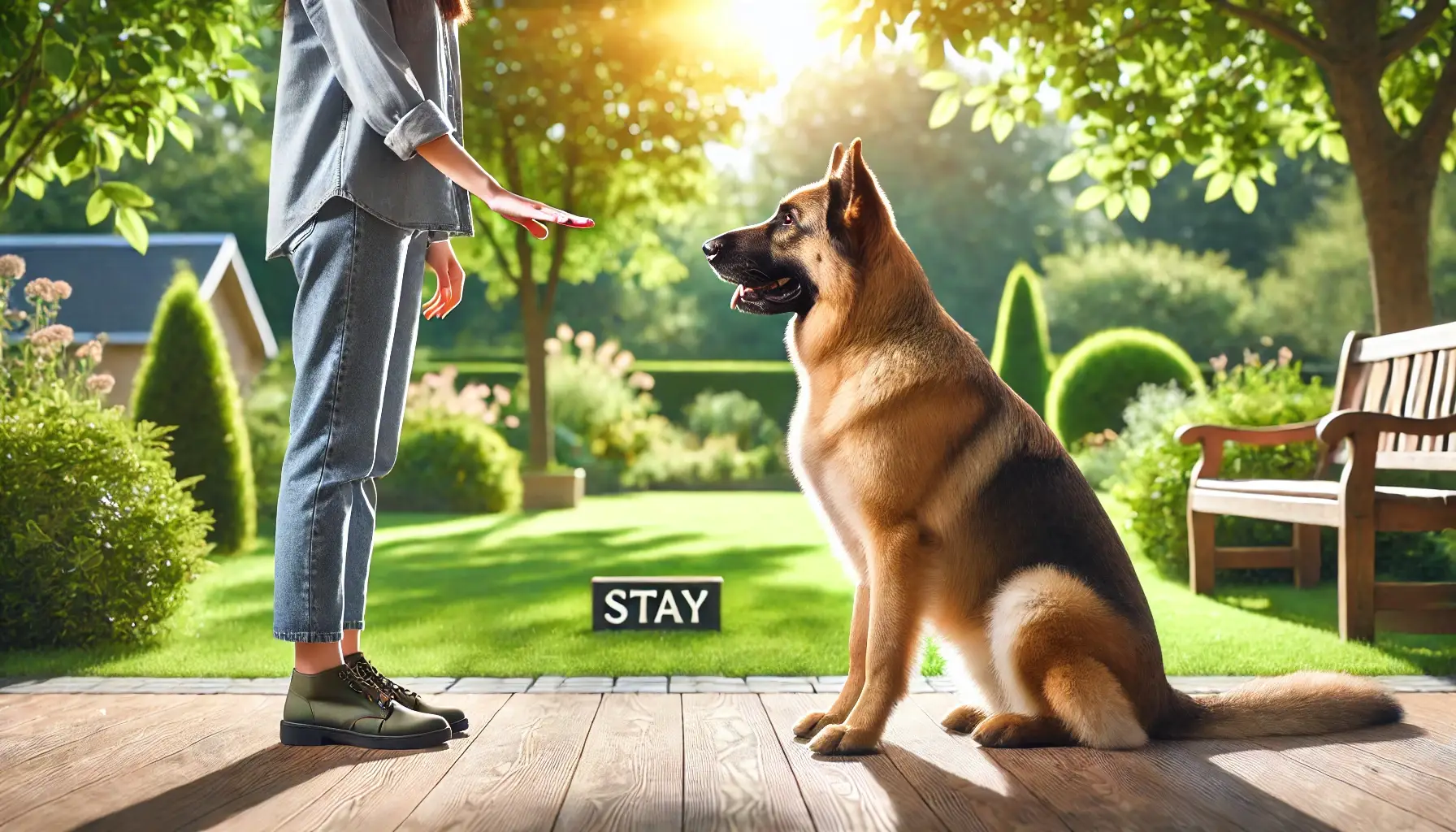
Once your dog is sitting, use a hand signal (such as an open palm facing them) and say “Stay” in a calm, firm voice. Take a small step back, then immediately return and reward your dog if they stay in place.
Step 3: Increase Distance and Duration
Gradually increase the distance you step away and the length of time your dog stays in place. Always return to your dog before rewarding them, so they don’t break the command.
Tips for Success
Reinforce the behavior with plenty of praise and rewards. Avoid common mistakes, like moving too quickly through the steps or overusing the command. Patience is key—training takes time.
Common Challenges When Teaching ‘Stay’ to Large Dogs (and How to Overcome Them)
Large dogs can present unique challenges during training. For instance, some may have short attention spans or high energy levels, making it hard for them to focus. In such cases, keep training sessions short and engaging.
Fear or anxiety can also interfere with training. If your dog seems nervous, create a positive and relaxed environment. Use gentle encouragement and rewards to build their confidence.
If your dog frequently breaks the “Stay” command, it’s a sign you may be increasing the difficulty too quickly. Take a step back and reduce the distance or duration, then gradually work your way up again.
Distractions can be another hurdle, especially during outdoor training. Start in a controlled environment and slowly introduce distractions, like toys or other people, to help your dog learn to focus.
Advanced Training Techniques to Strengthen the ‘Stay’ Command
Once your dog has mastered the basics, it’s time to level up their training. Begin introducing distractions gradually, such as practicing “Stay” while someone walks by or while other dogs are nearby.
Real-world environments, like parks or busy streets, are great places to test your dog’s obedience. Make sure to keep them on a leash initially for safety.
Duration training is another advanced technique. Slowly extend how long your dog can hold the “Stay” command, rewarding them for their patience. Over time, transition from using treats to verbal praise to ensure the behavior remains consistent.
Having the right tools can make training more effective. Clickers, long leashes, and high-value treats are excellent for teaching commands like “Stay.”
There are also numerous training apps and online resources available for dog owners. Many offer step-by-step guides, video tutorials, and tips tailored to specific breeds.
If you prefer hands-on guidance, consider enrolling in a local obedience class or hiring a professional trainer who specializes in large breeds. Books and videos focused on large dog training can also provide valuable insights.
Signs Your Dog Has Mastered the ‘Stay’ Command
You’ll know your dog has mastered “Stay” when they reliably follow the command in a variety of situations. Test their obedience in different environments, such as at home, in the yard, or on walks.
Celebrate milestones, like successfully holding a “Stay” in a busy area, to reinforce the positive behavior. However, remember that ongoing practice is essential to keep the skill sharp.
FAQs About Teaching the ‘Stay’ Command to Large Dogs
How long does it take to teach a large dog the ‘Stay’ command?
The time varies depending on the dog’s age, temperament, and prior training. With consistent practice, most dogs can learn the basics within a few weeks.
What should I do if my dog refuses to stay?
Go back to basics. Shorten the distance and duration, and use higher-value rewards to motivate your dog.
Can older dogs learn the ‘Stay’ command, or is it only for puppies?
Absolutely! While puppies may pick up commands faster, older dogs are fully capable of learning with patience and consistency.
What’s the best age to start training large dogs?
It’s ideal to start training as early as possible—around 8 to 12 weeks old. However, it’s never too late to begin training, regardless of your dog’s age.
Conclusion
This guide provides a comprehensive roadmap for teaching the ‘Stay’ command to large dogs. By following these tips and techniques, you can ensure your dog masters this essential obedience skill, enhancing their safety and your bond together.