by John Fryer | Jan 16, 2025 | Sea Fishing
meta: Learn how to catch mackerel with this step-by-step guide! Discover the best techniques, gear, bait, and tips to reel in mackerel successfully, whether you’re a beginner or seasoned angler.
Learn the essentials of mackerel fishing, including species information, best practices, and expert tips to enhance your fishing experience.
What Are Mackerel? Understanding the Basics
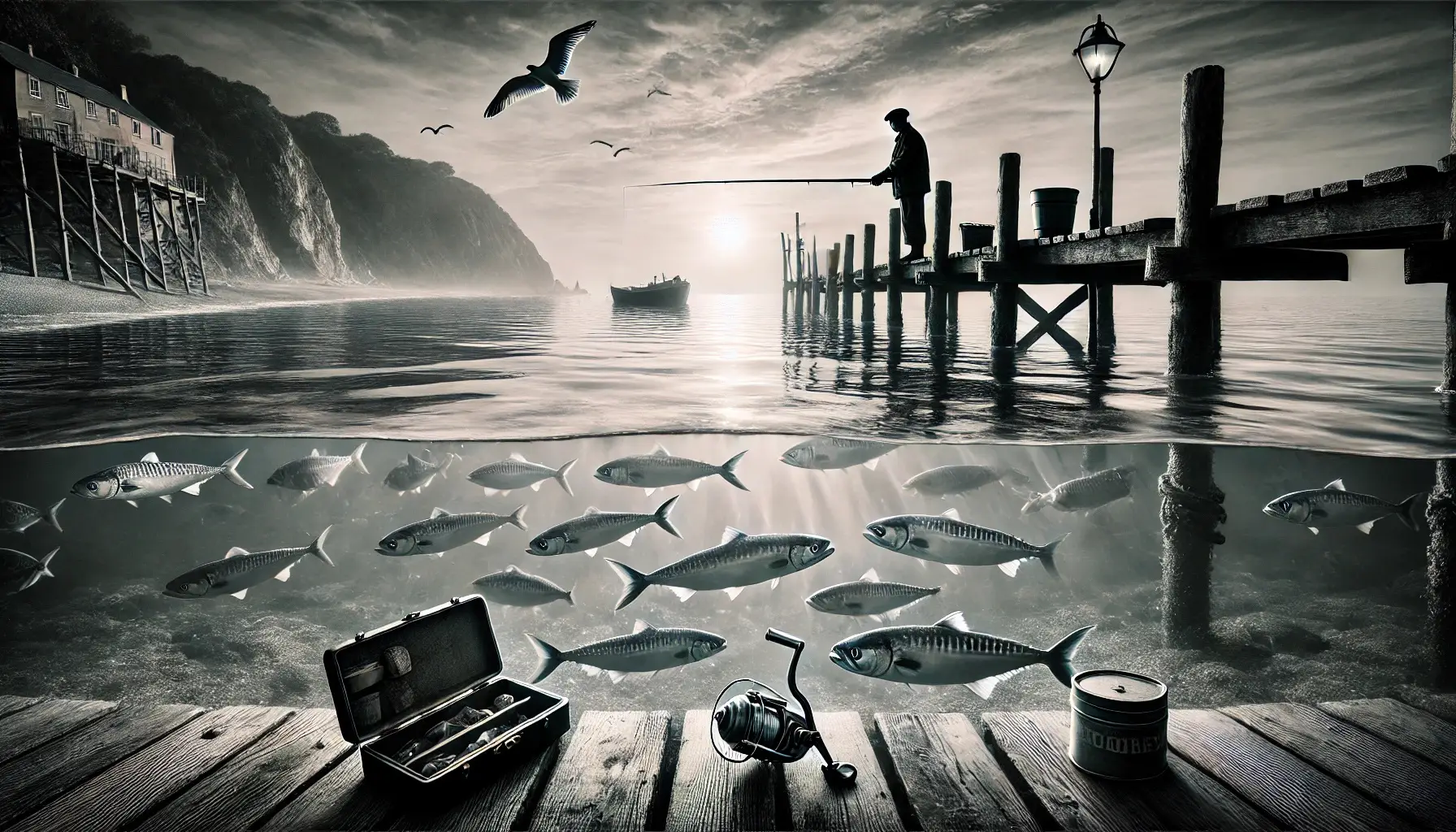
Mackerel are a group of fast-swimming, streamlined fish found in oceans around the world. There are several species of mackerel, including the Atlantic mackerel, Spanish mackerel, and king mackerel, each with its own unique characteristics and habitats. These fish are highly prized by anglers for two main reasons: they’re incredibly fun to catch due to their speed and fight, and they make for delicious eating, whether grilled, smoked, or canned.
Mackerel are typically small to medium-sized fish, with sleek, torpedo-shaped bodies designed for speed. They are often found in schools, which makes them easier to target in large numbers. Their habitats vary depending on the species, but they are commonly found in nearshore waters, reefs, and open seas. Mackerel are also highly migratory, moving with the seasons and water temperatures, which means timing is key for successful fishing.
Seasonal patterns play a significant role in finding mackerel. They are most abundant during warmer months when they migrate closer to shore to feed and spawn. Knowing when and where to look for them can greatly improve your chances of landing a catch.
Best Times and Locations to Catch Mackerel
Mackerel migrations are heavily influenced by the seasons, and understanding these patterns can make or break your fishing trip. In spring and summer, mackerel often move closer to shore, making them accessible to anglers fishing from piers, beaches, or small boats. During the colder months, they tend to retreat to deeper waters, requiring more effort to locate.
The best times of day to catch mackerel are early morning and dusk. These are the periods when mackerel are most actively feeding, increasing your chances of success. Additionally, water temperature and tidal movements play a critical role in mackerel activity. Warmer waters and incoming tides often bring schools of mackerel closer to shore, so plan your trips accordingly.
When it comes to locations, mackerel can be found in a variety of spots, including piers, beaches, boats, and nearshore waters. Look for areas with strong currents or structures like reefs and jetties, as these often attract baitfish, which in turn attract mackerel.
Essential Gear for Catching Mackerel
When targeting mackerel, lightweight gear is your best friend. A medium or light-action rod paired with a spinning reel is ideal for handling these fast, feisty fish. Look for a reel with a smooth drag system to help you manage their quick runs.
For fishing lines, a lightweight monofilament or braided line in the 8-15 lb range works well. Mackerel aren’t particularly line-shy, so you don’t need to go ultra-light, but a thinner line helps with casting distance and sensitivity.
Don’t forget your must-have accessories. A tackle box stocked with lures, spare hooks, and swivels is essential. Pliers for removing hooks and a cooler to store your catch are also important. If you’re a beginner, there are plenty of budget-friendly gear options available that won’t break the bank while still getting the job done.
Choosing the Right Bait for Mackerel Fishing
The right bait can make all the difference when fishing for mackerel. Natural baits like mackerel strips, squid, and sardines are highly effective because they closely mimic the fish’s natural diet. These baits can be used fresh or frozen, depending on availability.
Artificial lures are another great option, especially for anglers who prefer a more active fishing style. Spinners, feathers, and jigs that mimic the movement of small fish are particularly effective. These lures are designed to trigger the predatory instincts of mackerel, making them irresistible.
Preparing and rigging your bait properly is crucial. For natural baits, ensure they are securely hooked and presented in a way that looks natural in the water. Experimenting with different bait types and setups can help you adapt to local conditions and increase your chances of success.
Top Fishing Techniques for Catching Mackerel
There are several effective techniques for catching mackerel, each suited to different conditions and preferences. Jigging is one of the most popular methods. By dropping a lure into the water and jerking it upward in a rhythmic motion, you can mimic the movement of small prey and entice mackerel to strike.
Trolling is another excellent technique, especially if you’re fishing from a boat. By dragging lures or bait behind the boat at a slow to moderate speed, you can cover a larger area and locate schools of mackerel. Adjust your trolling speed based on the conditions, but a speed of 2-4 knots is usually effective.
If you’re fishing from shore or a pier, casting and retrieving is a simple yet productive method. Use a lure or bait and reel it in with a steady or erratic motion to attract mackerel. Adding chum to the water can also help by drawing schools of fish to your location.
Tips for Catching Mackerel Like a Pro
To increase your success rate, learn how to read the water and spot signs of mackerel schools. Look for surface disturbances, diving birds, or baitfish activity, as these are strong indicators that mackerel are nearby.
Adjust your fishing strategy based on weather conditions. On overcast days, mackerel may feed closer to the surface, while on bright, sunny days, they might stay deeper. Avoid common mistakes like using the wrong gear or bait, as these can significantly reduce your chances of success.
Once you’ve caught mackerel, handle them carefully to preserve their quality. Use a wet cloth or gloves to avoid damaging their scales, and place them in a cooler with ice immediately to keep them fresh.
Sustainable Practices for Mackerel Fishing
Sustainability is an essential part of responsible fishing. Always follow local fishing regulations and adhere to catch limits to ensure mackerel populations remain healthy. If you’re not planning to keep the fish, practice catch-and-release techniques to minimize harm.
Choose fishing methods that have minimal impact on the environment, such as using barbless hooks or avoiding areas with sensitive habitats. There are plenty of resources available to help you learn more about sustainable angling practices, so take the time to educate yourself and contribute to the preservation of marine ecosystems.
Conclusion
By following these tips and techniques, you’ll be well-equipped to catch mackerel successfully while practicing sustainable fishing methods.
by John Fryer | Jan 7, 2025 | Sea Fishing
Best Fishing Charters USA: Top Picks for Every Angler in 2025
meta: Discover the best fishing charters in the USA for 2025! Whether you’re a beginner or a seasoned angler, explore top-rated charters offering unforgettable fishing adventures across the country.
Fishing in the USA is more than just a pastime—it’s a way of life for many. With thousands of miles of coastline, countless lakes, and rivers teeming with fish, it’s no wonder anglers flock to charter boats to reel in the catch of their dreams. But how do you choose the right fishing charter? Whether you’re chasing marlin off the Florida coast or salmon in Alaska, finding the perfect charter can make or break your fishing adventure. In this guide, we’ll dive into the best fishing charters across the USA, helping you pick the perfect one for your next trip. Let’s cast off and explore your options!
What to Look for in a Fishing Charter
Understanding Your Fishing Goals: Recreational vs. Sportfishing
Before booking a fishing charter, it’s important to understand your fishing goals. Are you looking for a relaxing day on the water with family or friends, or are you aiming to reel in a trophy fish? Recreational fishing charters focus on a laid-back experience, often targeting smaller, easier-to-catch species. On the other hand, sportfishing charters are designed for serious anglers looking for a challenge, such as catching marlin, tuna, or other big game fish.
Types of Charters: Private vs. Shared Charters
Another key decision is whether you want a private or shared charter. Private charters offer a more personalized experience, as the boat and crew are dedicated solely to your group. This option is ideal for families, groups of friends, or anglers who want to tailor the trip to their specific needs. Shared charters, on the other hand, are more budget-friendly and allow you to join other anglers. While they may lack the customization of private charters, they’re a great way to meet fellow fishing enthusiasts.
Key Factors: Location, Target Species, and Budget
When choosing a fishing charter, consider the location and the species you want to target. Certain regions are known for specific types of fish, so research the best destinations for your desired catch. Additionally, set a budget that aligns with your expectations. Costs can vary widely depending on the type of charter, the length of the trip, and the amenities provided.
How to Check Reviews and Credentials Before Booking
Always read reviews and check the credentials of a fishing charter before booking. Look for testimonials from previous customers to get a sense of the crew’s professionalism, the condition of the boat, and the overall experience. Don’t hesitate to ask about the captain’s qualifications and safety certifications to ensure you’re in good hands.
Best Fishing Charters in the USA by Region
East Coast: Top Charters in Florida, North Carolina, and Maine
The East Coast offers a variety of fishing opportunities, from Florida’s world-famous deep-sea charters targeting sailfish and grouper to North Carolina’s Outer Banks, known for tuna and marlin fishing. Maine, on the other hand, provides unique experiences like lobster fishing and catching striped bass.
West Coast: Best Options in California, Oregon, and Washington
The West Coast boasts incredible fishing charters, with California offering trips for yellowtail and rockfish. Oregon is famous for its salmon and steelhead runs, while Washington is a prime location for halibut and Dungeness crab fishing.
Gulf Coast: Premier Charters in Texas and Louisiana
The Gulf Coast is a haven for anglers, with Texas offering excellent charters for redfish and speckled trout. Louisiana, often called the “Sportsman’s Paradise,” is renowned for its inshore fishing and offshore trips targeting tuna and snapper.
Alaska: Unforgettable Salmon and Halibut Fishing Charters
Alaska is a dream destination for anglers, offering some of the best salmon and halibut fishing charters in the world. The breathtaking scenery and abundance of fish make it a bucket-list experience for any fishing enthusiast.
Great Lakes: Top-Rated Charters for Walleye and Trout Fishing
The Great Lakes region is perfect for freshwater fishing, with charters specializing in walleye, lake trout, and smallmouth bass. Popular areas include Lake Erie for its trophy walleye and Lake Michigan for salmon and trout.
Best Fishing Charters for Beginners
Charters with Experienced Guides Who Cater to First-Time Anglers
If you’re new to fishing, look for charters with experienced guides who are patient and willing to teach. These trips often include hands-on instruction, making them ideal for beginners.
Family-Friendly Options with Kid-Friendly Amenities
Many charters cater to families, offering shorter trips with kid-friendly amenities like smaller rods, snacks, and onboard restrooms. These trips ensure a fun and stress-free experience for all ages.
Affordable and Shorter Trips for Beginners
Beginners may prefer affordable charters that offer shorter trips, typically lasting 2-4 hours. These trips provide a taste of fishing without the time or financial commitment of a full-day excursion.
Best Fishing Charters for Experienced Anglers
Charters Specializing in Deep-Sea Fishing
For seasoned anglers, deep-sea fishing charters are a thrilling option. These trips venture far offshore to target big game fish like marlin, swordfish, and mahi-mahi.
Multi-Day Trips for Trophy Fish Like Marlin and Tuna
Experienced anglers seeking a challenge can opt for multi-day charters designed to pursue trophy fish. These trips often include overnight stays and advanced fishing techniques.
Advanced Equipment and Techniques Offered by Expert Crews
Look for charters that provide top-of-the-line equipment and expert crews who can guide you through advanced fishing techniques. These trips are perfect for anglers looking to sharpen their skills.
Tips for Booking the Perfect Fishing Charter
Booking During Peak vs. Off-Peak Seasons
Consider the timing of your trip. Peak seasons often offer the best fishing opportunities but may come with higher prices and crowded boats. Off-peak seasons can be more affordable and less crowded, though the fishing might not be as abundant.
Questions to Ask the Charter Captain Before Booking
Before booking, ask the captain about the types of fish you can expect to catch, the equipment provided, and any additional costs. It’s also a good idea to inquire about the boat’s safety features and cancellation policies.
What to Pack: Gear, Clothing, and Essentials
Pack appropriately for your trip. Essentials include sunscreen, sunglasses, a hat, and weather-appropriate clothing. While many charters provide fishing gear, you may want to bring your own if you have a preference.
Frequently Asked Questions About Fishing Charters
What’s Included in the Cost of a Fishing Charter?
Most fishing charters include the boat, crew, and basic fishing equipment in the cost. However, extras like bait, tackle, food, and drinks may come at an additional charge. Always confirm what’s included before booking.
Do I Need a Fishing License to Book a Charter?
In many locations, the fishing charter covers the cost of the fishing license for its passengers. However, it’s important to verify this detail with the charter operator to avoid any surprises.
What Happens If the Weather Doesn’t Cooperate?
If bad weather forces a cancellation, most charters offer a full refund or the option to reschedule. Always check the charter’s weather policy before booking to understand your options.
Conclusion
Fishing charters in the USA offer something for everyone, from serene lake fishing to thrilling offshore adventures. By choosing the right charter, you can create memories that last a lifetime. Whether you’re a novice angler or a seasoned pro, the options are endless. So, grab your gear, book a charter, and get ready for the fishing trip of your dreams. Don’t forget to share your experiences in the comments below—we’d love to hear about your biggest catch!
by John Fryer | Jan 6, 2025 | Sea Fishing
meta: Discover the best times of year for sea fishing across U.S. regions! Learn seasonal tips, species availability, and region-specific advice to plan your perfect fishing trip in 2025.
When it comes to sea fishing, timing is everything! Whether you’re a seasoned angler or just starting out, knowing the best times of year to fish in different U.S. regions can make or break your trip. Did you know that certain species are only available during specific seasons? Or that weather patterns can drastically affect your catch? I’ve learned this the hard way—like that one summer I went fishing in the Gulf Coast and barely caught a thing because I didn’t research the prime season for red snapper. Trust me, planning around the seasons is worth it! In this article, we’ll dive into the best times of year for sea fishing across the East Coast, West Coast, Gulf Coast, and even Alaska. From the peak months for tuna to the best weather for catching striped bass, I’ll break it all down for you. So grab your rod and reel, and let’s get started!
Best Times for Sea Fishing on the East Coast
Exploring the East Coast Fishing Landscape
The East Coast offers a rich variety of fishing opportunities, with iconic spots like Cape Cod in Massachusetts, the Outer Banks in North Carolina, and the Florida Keys in the Sunshine State. These areas are renowned for their diverse marine life and accessibility, making them top destinations for anglers of all skill levels.
Peak Fishing Seasons for Common Species
Timing is everything when it comes to fishing on the East Coast. Striped bass are most active during spring and fall, often migrating along the coastline. Bluefish, another popular species, are abundant in summer, while flounder fishing peaks during the warmer months. Each season brings its own unique opportunities, so planning your trip around these peak times can significantly boost your success.
The Role of Weather and Water Temperatures
Spring, summer, and fall each offer distinct fishing conditions influenced by weather and water temperatures. In spring, warming waters attract migrating species, while summer sees an increase in activity as fish feed aggressively. Fall is another prime season, as cooler temperatures trigger migration patterns. Keeping an eye on water temperature and weather forecasts can help you pinpoint the best times to cast your line.
Winter Fishing Along the Southern East Coast
Winter fishing may seem challenging, but it can be rewarding, especially in southern areas like Florida. Target species such as redfish and trout, which remain active in cooler waters. Investing in weather-appropriate gear, such as insulated clothing and gloves, will ensure you stay comfortable during your outing.
Best Times for Sea Fishing on the West Coast
West Coast Fishing Hotspots
The West Coast is home to some of the country’s most celebrated fishing destinations. San Diego is a hub for deep-sea fishing, while Monterey Bay offers incredible opportunities for catching a variety of species. Further north, the Pacific Northwest is famous for its salmon runs and pristine fishing environments.
Seasonal Availability of Key Species
The West Coast’s fishing calendar revolves around species like salmon, halibut, and albacore tuna. Salmon fishing is typically best during late spring and summer, while halibut season peaks in the warmer months. Albacore tuna are most active in late summer and early fall, making this an ideal time for offshore fishing.
The Impact of Ocean Currents
Ocean currents, such as the California Current, play a significant role in West Coast fishing conditions. These currents influence water temperature and the movement of baitfish, which in turn attract larger predators. Understanding how these currents shift throughout the year can give you a strategic edge.
Best Months for Deep-Sea Fishing
Deep-sea fishing on the West Coast is most productive during the summer and early fall. During these months, species like yellowtail and dorado are more accessible. To maximize your catch, consider targeting specific species based on their seasonal availability and using specialized gear designed for deep waters.
Best Times for Sea Fishing in the Gulf Coast
Introduction to Gulf Coast Fishing
The Gulf Coast boasts a vibrant fishing scene, with hotspots like Galveston in Texas, Tampa Bay in Florida, and the waters near New Orleans. Known for its warm climate and diverse marine life, this region is a year-round haven for anglers.
Prime Seasons for Popular Species
Red snapper season is a highlight for Gulf Coast anglers, typically running during the summer months. Grouper fishing is best in late spring and early summer, while tarpon are most active from late spring through early fall. Planning your trip around these peak seasons can help you reel in impressive catches.
Navigating Hurricanes and Tropical Storms
Fishing in the Gulf Coast comes with its challenges, particularly during hurricane season, which runs from June to November. Tropical storms can disrupt fishing plans, so it’s essential to monitor weather reports and have a backup plan. If storms are forecasted, consider rescheduling your trip or exploring sheltered fishing spots.
Winter Fishing Opportunities
Winter fishing along the Gulf Coast offers a chance to target lesser-known species like sheepshead and black drum. These fish remain active in cooler waters, providing a unique experience for anglers willing to brave the colder months. Lightweight but warm clothing and proper bait can make all the difference.
Best Times for Sea Fishing in Alaska
Challenges and Rewards of Alaskan Fishing
Fishing in Alaska is unlike anywhere else, offering both challenges and unparalleled rewards. The cold waters are teeming with prized species like salmon, halibut, and king crab. However, the remote locations and unpredictable weather require careful preparation.
Seasonal Availability of Alaskan Species
Salmon runs are a major draw in Alaska, with peak season occurring from late spring to early fall. Halibut fishing is best during the summer months, while king crab is typically harvested in the fall and winter. Each season offers a unique set of opportunities for anglers.
Preparing for Alaskan Fishing
Fishing in Alaska requires more than just skill—it demands preparation. The best months for fishing are often accompanied by unpredictable weather, so pack layers, waterproof gear, and sturdy boots. Researching local conditions and booking guided tours can help you make the most of your trip.
Booking Guided Fishing Tours
Guided fishing tours are a popular option for anglers visiting Alaska. These tours provide local expertise, specialized equipment, and access to prime fishing spots. Whether you’re chasing salmon or halibut, a guided experience can significantly enhance your chances of success.
Seasonal Fishing Tips for Beginners
Researching the Best Times to Fish
If you’re new to fishing, start by researching the best times to target your desired species in your chosen location. Online resources, local guides, and fishing reports can provide valuable insights into seasonal patterns and hotspots.
Understanding Local Regulations
Fishing regulations vary by location and season, so it’s crucial to familiarize yourself with local rules. Make sure you have the appropriate fishing license and understand size and bag limits for your target species.
Essential Seasonal Gear
Having the right gear can make or break your fishing experience. Invest in weather-appropriate clothing, sturdy footwear, and species-specific bait. For colder seasons, prioritize insulated gear to stay warm and comfortable.
Adapting to Seasonal Changes
Fish behavior changes with the seasons, often influenced by water temperature and food availability. In colder months, fish tend to move to deeper waters, while warmer months see them feeding closer to the surface. Adjust your strategy accordingly to increase your chances of success.
Conclusion
Sea fishing is as much about timing as it is about skill. By understanding the best times of year for sea fishing across U.S. regions, you can significantly improve your chances of a successful trip. Whether you’re planning a summer adventure on the Gulf Coast or a chilly fall outing in Alaska, knowing what to expect—and when—can make all the difference. So, what are you waiting for? Start planning your next fishing trip today! And if you’ve got tips or favorite fishing spots, I’d love to hear about them in the comments below. Tight lines, everyone!
by John Fryer | Jan 6, 2025 | Sea Fishing
Understanding Sea Fishing Regulations and Licensing: A Complete Guide for 2025
meta: Learn everything you need to know about sea fishing regulations and licensing in 2025. From permits to legal limits, this guide ensures you stay compliant while enjoying your fishing adventures.
Sea fishing is more than just casting a line and hoping for a bite—it’s a passion, a science, and, yes, a regulated activity. Did you know that failing to follow fishing regulations could result in hefty fines or even losing your fishing privileges? Yikes! But don’t worry, I’ve got you covered. In this guide, we’ll dive into the nitty-gritty of sea fishing regulations and licensing so you can fish responsibly and confidently. Whether you’re a seasoned angler or just starting out, understanding the rules is key to protecting marine ecosystems and your wallet!
Why Are Sea Fishing Regulations Important?
The Role of Regulations in Protecting Marine Ecosystems
Sea fishing regulations play a vital role in maintaining the health of marine ecosystems. These rules are designed to ensure that fish populations remain stable, habitats are preserved, and the delicate balance of ocean life is protected. Without regulations, the unchecked exploitation of marine resources could lead to long-term damage that affects not only aquatic life but also the broader environment.
How Overfishing Impacts Fish Populations and Biodiversity
Overfishing is a significant threat to marine biodiversity. When too many fish are removed from the ocean, it disrupts the food chain and can lead to the collapse of entire species. This, in turn, impacts other marine organisms that depend on those species for survival. Regulations help prevent overfishing by setting limits on how much fish can be caught, ensuring that populations have time to replenish and thrive.
Ensuring Fairness and Sustainability for All Anglers
Fishing regulations also promote fairness and sustainability. By setting clear guidelines, they create a level playing field for all anglers—whether recreational or commercial. These rules ensure that everyone has an opportunity to enjoy fishing while preserving the resource for future generations.
Types of Sea Fishing Licenses You Need to Know
Recreational Fishing Licenses vs. Commercial Fishing Licenses
There are two primary types of sea fishing licenses: recreational and commercial. Recreational licenses are for individuals who fish for personal enjoyment or to catch food for themselves and their families. Commercial licenses, on the other hand, are for those who fish as part of a business, selling their catch for profit. Each type of license comes with its own set of rules and requirements.
State-Specific and Federal Licensing Requirements
Fishing license requirements can vary depending on where you plan to fish. Some states have their own licensing systems, while federal licenses may be required for fishing in offshore waters. It’s essential to understand the specific requirements for your location to ensure compliance.
How to Apply for a Sea Fishing License in 2025
Applying for a sea fishing license in 2025 is expected to be a straightforward process. Most states and federal agencies offer online applications, making it easy to obtain the necessary permits. Be sure to check the official website of your local fish and wildlife agency for the most up-to-date information on fees, forms, and processing times.
Understanding Catch Limits and Size Restrictions
What Are Daily Bag Limits, and Why Do They Matter?
Daily bag limits refer to the maximum number of fish an angler is allowed to catch and keep in a single day. These limits are crucial for preventing overfishing and ensuring that fish populations remain healthy. Exceeding these limits not only harms the ecosystem but can also result in hefty fines.
Species-Specific Size Restrictions: What You Can and Can’t Keep
Size restrictions are another important aspect of fishing regulations. These rules specify the minimum and sometimes maximum size of fish that can be legally kept. The goal is to protect juvenile fish that haven’t had a chance to reproduce, as well as larger, breeding-age fish that contribute significantly to population growth.
How to Measure Fish Properly to Comply with Size Regulations
To comply with size restrictions, it’s essential to know how to measure fish correctly. Use a measuring tape or a fish ruler to measure from the tip of the snout to the end of the tail fin. Make sure you’re following the specific guidelines for the species you’re targeting, as measurement methods can vary.
Restricted Fishing Areas and Seasonal Closures
How to Identify Marine Protected Areas (MPAs)
Marine Protected Areas (MPAs) are regions of the ocean where fishing is restricted or prohibited to conserve marine life and habitats. These areas are often marked on nautical maps and are sometimes signposted near popular fishing spots. Familiarizing yourself with MPAs in your fishing area is crucial for staying compliant.
Why Certain Areas Are Off-Limits for Fishing
Certain areas are designated as off-limits to fishing to protect vulnerable species, breeding grounds, or fragile ecosystems. Fishing in these areas can disrupt conservation efforts and lead to penalties. Understanding why these restrictions exist can help anglers appreciate the importance of adhering to them.
Seasonal Closures: When and Where You Should Avoid Fishing
Seasonal closures are temporary bans on fishing in specific areas during particular times of the year. These closures often coincide with breeding or migration periods for certain species, giving them a chance to reproduce and grow without interference. Always check for seasonal closures before planning your fishing trip.
Penalties for Violating Sea Fishing Regulations
Common Violations and Their Consequences
Common violations include exceeding catch limits, keeping undersized fish, and fishing in restricted areas. These actions can lead to severe consequences, including fines, license suspensions, and even criminal charges in extreme cases.
Fines, License Suspensions, and Other Penalties
Penalties for violating fishing regulations vary depending on the severity of the offense. Minor infractions may result in warnings or small fines, while more serious violations can lead to substantial monetary penalties, the suspension or revocation of your fishing license, and even confiscation of your equipment.
How to Avoid Unintentional Violations
To avoid unintentional violations, always familiarize yourself with the regulations in your fishing area. Carry a copy of the rules with you or use a mobile app to check them in real time. If you’re unsure about a specific rule, it’s better to err on the side of caution.
Tips for Staying Compliant with Sea Fishing Laws
Resources for Staying Updated on Regulation Changes
Fishing regulations can change from year to year, so it’s important to stay informed. Subscribe to newsletters from your local fish and wildlife agency, check their website regularly, or attend public meetings where changes to regulations are discussed.
Technology can be a valuable tool for staying compliant. Many apps are available that provide real-time updates on catch limits, size restrictions, and restricted areas. These tools can help you plan your trips and avoid accidental violations.
Why It’s Important to Report Illegal Fishing Activities
If you witness illegal fishing activities, reporting them to the appropriate authorities is crucial. Illegal fishing undermines conservation efforts and can harm fish populations. By reporting violations, you’re helping to protect marine ecosystems and ensure that everyone plays by the rules.
Conclusion
Fishing is one of the most rewarding outdoor activities, but it comes with its responsibilities. By understanding sea fishing regulations and licensing, you’re not only protecting marine life but also ensuring a sustainable future for the sport we all love. So before you head out with your gear, take a moment to check the rules, grab the right license, and familiarize yourself with catch limits and restricted areas. Trust me, it’s worth the extra effort! Now, get out there and make some memories on the water—and don’t forget to share your fishing stories in the comments below!
by John Fryer | Jan 6, 2025 | Sea Fishing
meta: Discover the essential gear for sea fishing in the USA, including rods, reels, bait, and safety equipment. This 2025 guide covers everything you need to know to make your next fishing trip a success!
There’s something magical about sea fishing, isn’t there? The salty breeze, the rhythmic sound of waves, and the thrill of reeling in a big catch—it’s an experience like no other! But let me tell you, I’ve learned the hard way that having the right gear can make or break your trip. Did you know that over 50 million Americans enjoy recreational fishing each year? Whether you’re a seasoned angler or just dipping your toes into the world of sea fishing, having the right equipment is crucial. In this guide, we’ll dive into the essential gear for sea fishing in the USA to help you prepare for your next adventure. Let’s get started!
Choosing the Right Fishing Rod for Sea Fishing
When it comes to sea fishing, selecting the right fishing rod is crucial for a successful and enjoyable experience. Here are some key factors to keep in mind:
Factors to Consider: Rod Length, Material, and Action Type
The length of your fishing rod plays a significant role in casting distance and leverage. Longer rods (8-12 feet) are ideal for surf fishing, while shorter rods (6-8 feet) provide better control for boat fishing. Material matters too—graphite rods are lightweight and sensitive, while fiberglass rods offer durability and strength. Action type, which refers to how much the rod bends, should match your target species. Fast-action rods are great for quick hook sets, while medium or slow-action rods provide more flexibility for fighting larger fish.
Best Rod Types for Different Species
Different fish call for different rods. For tuna, a heavy-action rod with a sturdy backbone is essential. Redfish anglers often prefer medium-action rods for versatility and sensitivity. Striped bass enthusiasts might opt for a medium-heavy rod for the perfect balance of strength and responsiveness.
Top Recommendations for Sea Fishing Rods in 2025
Looking ahead, some of the most recommended sea fishing rods for 2025 include the Shimano Teramar XX for versatility, the Penn Battalion II for durability, and the Daiwa Saltiga for high-performance fishing. These rods cater to a range of fishing styles and budgets.
Selecting the Perfect Fishing Reel
Your reel is just as important as your rod, and pairing the two correctly can make all the difference.
Understanding Reel Types: Spinning, Baitcasting, and Conventional Reels
Spinning reels are user-friendly and versatile, making them a favorite for beginners and experienced anglers alike. Baitcasting reels offer precision and control, ideal for targeting larger fish. Conventional reels are designed for heavy-duty fishing, perfect for deep-sea expeditions.
How to Match Your Reel with Your Rod
To ensure optimal performance, match your reel to your rod’s specifications. A heavy-duty rod pairs best with a conventional reel, while a medium-action rod might work better with a spinning reel. Always check the line weight and capacity recommendations on both pieces of equipment.
Maintenance Tips to Extend the Life of Your Reel
Regular maintenance is key to keeping your reel in top shape. Rinse it with fresh water after every trip, lubricate moving parts, and store it in a dry place. Periodic disassembly for a thorough cleaning can also prevent saltwater corrosion.
Bait and Lures: What Works Best in USA Waters
The right bait or lure can make or break your fishing trip, especially in diverse USA waters.
Differences Between Live Bait, Cut Bait, and Artificial Lures
Live bait, such as shrimp or minnows, is highly effective but requires proper storage. Cut bait, like squid or mackerel, is a go-to for attracting larger predators. Artificial lures, including plugs, jigs, and spoons, offer versatility and can mimic the movement of live prey.
Most Effective Baits for Popular Sea Species in the USA
For redfish, live shrimp or crab work wonders. Striped bass are often drawn to cut bunker or eels. Tuna, on the other hand, respond well to trolling lures or live bait like mackerel. Always research the preferences of your target species.
How to Store and Handle Bait Properly During Your Trip
Keep live bait in aerated containers or bait wells to maintain freshness. Cut bait should be stored on ice to prevent spoilage. When handling bait, use gloves to avoid transferring human scent, which can deter fish.
Essential Safety Gear for Sea Fishing
Safety should always be a top priority when venturing out to sea.
Why Safety Gear Is Non-Negotiable for Sea Fishing
The unpredictability of the ocean makes safety gear essential. Weather changes, strong currents, and unexpected emergencies can arise, so being prepared is non-negotiable.
Must-Have Items: Life Jackets, First Aid Kits, and Emergency Signaling Devices
Always wear a U.S. Coast Guard-approved life jacket. Carry a first aid kit stocked with essentials like bandages, antiseptics, and medications. Emergency signaling devices, such as flares or a whistle, can be lifesaving in critical situations.
Tips for Staying Safe While Fishing Offshore
Check the weather forecast before heading out, and avoid fishing alone. Inform someone onshore about your trip details, and always carry a fully charged phone or marine radio for communication.
Tackle Box Essentials for Every Sea Angler
A well-stocked and organized tackle box is a sea angler’s best friend.
Key Items to Include: Hooks, Sinkers, Swivels, and Leaders
Pack a variety of hooks to match different bait sizes, along with sinkers to help your bait reach the desired depth. Swivels prevent your line from twisting, while leaders provide extra strength when targeting toothy fish.
How to Organize Your Tackle Box for Easy Access
Use compartments to separate items by type and size. Label sections for quick identification, and keep frequently used tools, like pliers, in an easily accessible spot.
Top Tackle Box Brands to Consider in 2025
Brands like Plano, Flambeau, and KastKing offer durable and spacious tackle boxes designed for sea fishing. Look for waterproof options to protect your gear.
Clothing and Accessories for Comfort and Protection
Dressing appropriately can make your fishing trip more comfortable and enjoyable.
Importance of Weather-Appropriate Clothing for Sea Fishing
Layering is key for changing weather conditions. Opt for moisture-wicking base layers, waterproof outerwear, and insulated jackets if temperatures drop.
Essential Accessories: Polarized Sunglasses, Gloves, and Hats
Polarized sunglasses reduce glare and improve underwater visibility. Gloves protect your hands from line cuts and fish spines, while a wide-brim hat shields you from the sun.
Best Brands for Fishing Apparel in the USA
Brands like Columbia, Simms, and Huk are known for their high-quality fishing apparel. They offer UV protection, durability, and comfort tailored to anglers.
Tech Gadgets to Enhance Your Sea Fishing Experience
Modern technology can elevate your sea fishing game.
Using Fish Finders and GPS for Better Results
Fish finders help locate schools of fish, while GPS devices ensure you stay on course. Many modern units combine both features for added convenience.
Waterproof Cameras to Document Your Catches
Capture your fishing memories with waterproof cameras like the GoPro Hero series. These cameras are durable and easy to mount on your gear.
How to Choose the Right Gadgets for Your Needs
Consider your budget and fishing style. If you fish frequently in deep waters, invest in high-quality fish finders. Occasional anglers might prefer portable, budget-friendly options.
Tips for Packing and Transporting Your Fishing Gear
Proper packing and transportation ensure your gear stays in top condition.
How to Pack Your Gear Efficiently for a Day or Weekend Trip
Use rod sleeves and reel covers to protect your equipment. Pack tackle boxes, bait containers, and safety gear in a sturdy, waterproof bag for easy transport.
Transporting Rods, Reels, and Tackle Without Damage
Invest in a rod tube or case to prevent breakage during travel. For reels, remove them from the rods and store them in padded bags.
Best Travel Cases and Bags for Sea Fishing Equipment
Top travel cases for 2025 include the Plano Guide Series Rod Tube, KastKing Fishing Tackle Backpack, and Piscifun Waterproof Duffel. These options offer durability and ample storage space.
Conclusion
Sea fishing in the USA is an unforgettable experience, but it all starts with having the right gear. From choosing the perfect rod and reel to packing essential safety equipment, every detail matters. I’ve shared my hard-earned tips and insights to help you gear up like a pro. Remember, preparation is key—so take the time to invest in quality equipment and plan ahead. Got any favorite sea fishing tips or gear recommendations? Drop them in the comments below! Now, grab your gear, hit the water, and get ready for an epic fishing adventure. Tight lines!
by John Fryer | Jan 6, 2025 | Sea Fishing
Best Sea Fishing Rods for Beginners: Top 5 Picks for 20254
meta: Looking for the best sea fishing rods for beginners in 2024? Check out our top 5 picks with detailed reviews, features, and expert tips to help you start your fishing journey today!
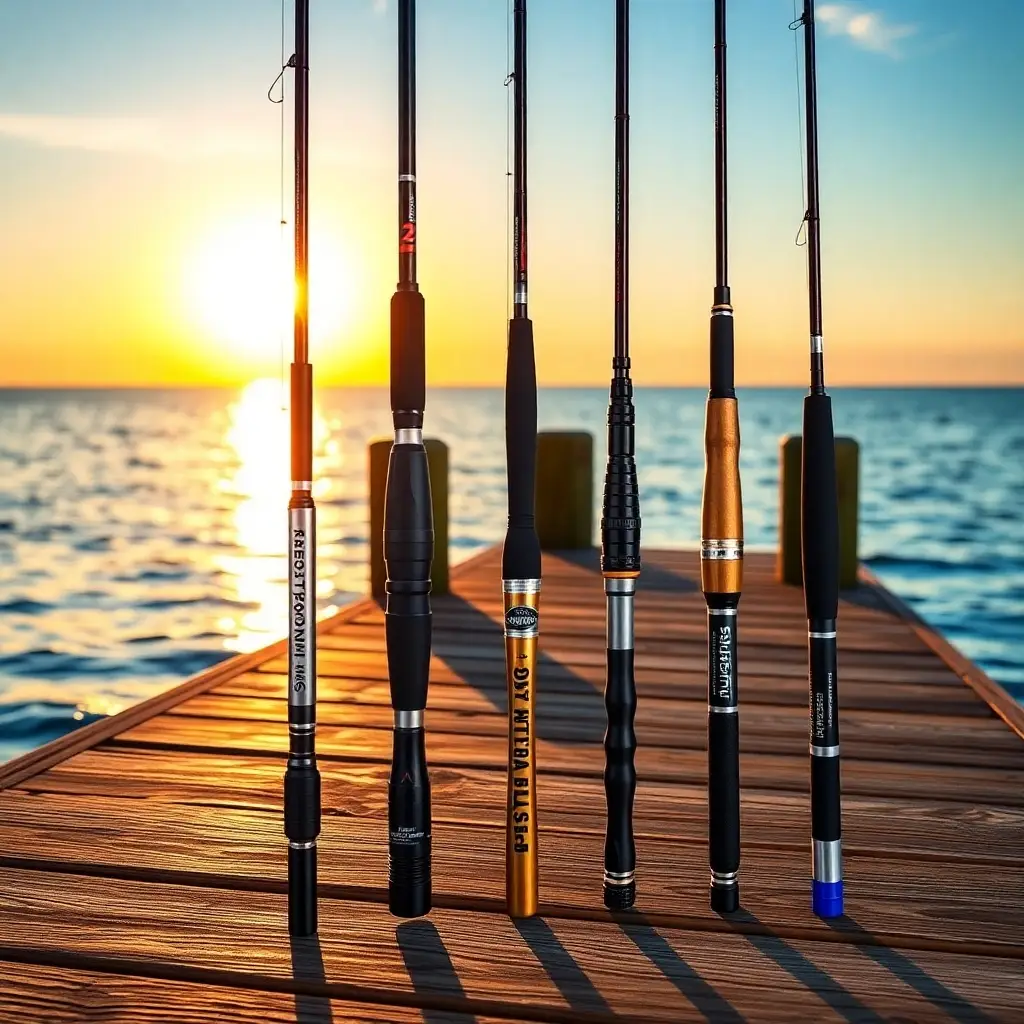
Fishing is one of those hobbies that’s equal parts relaxing and exciting. But let’s be honest—picking the right gear, especially as a beginner, can feel like diving into the deep end without a life jacket. Did you know that over 65% of beginner anglers say they struggled to choose their first fishing rod? Don’t worry, though—I’ve been there, and I’m here to help! Whether you’re planning your first sea fishing adventure or gifting a rod to a budding angler, this guide will walk you through the top 5 beginner-friendly sea fishing rods for 2024. Let’s reel in the perfect choice for you!
Why Choosing the Right Fishing Rod Matters for Beginners
When you’re just starting out with sea fishing, the gear you choose can make or break your experience. The right fishing rod is more than just a tool—it’s your gateway to learning and enjoying the sport. For beginners, selecting the proper rod can mean the difference between frustration and a rewarding day on the water.
Using the wrong rod can present several challenges for beginners. For instance, a rod that’s too heavy or too advanced can feel cumbersome, making it difficult to cast properly. This can lead to fatigue and missed opportunities to catch fish. Beginners often need equipment that is forgiving, easy to handle, and tailored to their skill level.
Comfort, durability, and ease of use should be top priorities when choosing a beginner rod. A comfortable rod allows you to fish for extended periods without strain. Durability ensures your rod can withstand the wear and tear of learning, while ease of use helps you focus on mastering the basics instead of wrestling with complicated gear.
Key Features to Look for in a Beginner Sea Fishing Rod
When shopping for your first sea fishing rod, there are several key features to keep in mind. These factors will help you narrow down your options and find a rod that suits your needs.
Length
The length of a fishing rod plays a significant role in its performance. For beginners, rods that are 6 to 8 feet long are typically ideal. Shorter rods offer more control, making them great for close-range fishing, while longer rods allow for greater casting distance. A mid-range length strikes a balance between the two, which is perfect for those just starting out.
Material
Fishing rods are commonly made from fiberglass, graphite, or composite materials. Fiberglass rods are durable and affordable, making them a great choice for beginners. Graphite rods, on the other hand, are lighter and more sensitive but tend to be more expensive and less forgiving of rough handling. Composite rods combine the best of both worlds, offering a balance of durability and performance.
Power and Action
Understanding the terms “power” and “action” is crucial when selecting a rod. Power refers to the rod’s strength or resistance to bending, while action describes how and where the rod bends under pressure. Beginners should look for medium power and moderate action rods, as these provide versatility and are easier to control.
Portability
If you plan to travel with your fishing rod, portability is an important consideration. Telescopic rods are compact and easy to transport, making them a popular choice for beginners. However, traditional one-piece or two-piece rods often offer better performance and durability.
Cost
As a beginner, you don’t need to break the bank for a high-end fishing rod. Look for a rod that offers a good balance between affordability and quality. Spending a little more on a durable, well-made rod can save you money in the long run by avoiding frequent replacements.
Top 5 Sea Fishing Rods for Beginners in 2025
Here are five excellent options for beginner sea fishing rods in 2025, each catering to different needs and budgets.
Rod #1: [Ugly Stik GX2 Spinning Rod]
- Key Features: Made from durable fiberglass, 7-foot length, medium power, moderate action.
- Pros: Lightweight, beginner-friendly, and affordable.
- Cons: Limited advanced features for experienced anglers.
- Price Range: $40–$60. Available at most outdoor retailers and online.
Rod #2: [Penn Battle III Spinning Rod]
- Why It’s Great for Beginners: This rod combines a graphite build with a comfortable grip, making it ideal for learning proper casting techniques.
- Key Features: 6.5-foot length, medium-light power, fast action.
- Price Range: $50–$80.
Rod #3: [PLUSINNO Telescopic Fishing Rod]
- Unique Features: Telescopic design makes this rod easy to pack and carry, perfect for anglers on the go.
- Pros: Highly portable, durable build, and beginner-friendly design.
- Cons: Slightly less sensitive than traditional rods.
- Price Range: $30–$50.
Rod #4: [KastKing Crixus Fishing Rod]
- Best for Budget-Conscious Beginners: This rod offers great value without compromising on quality.
- Key Features: Fiberglass construction, 6-foot length, medium power.
- Price Range: $20–$40.
Rod #5: [Shimano Solora 2-Piece Spinning Rod]
- High-Performance Option: For beginners willing to invest a bit more, this rod offers advanced features while remaining accessible to new anglers.
- Key Features: Composite material, 8-foot length, medium-heavy power, moderate-fast action.
- Price Range: $80–$120.
How to Choose the Right Rod for Your Needs
Selecting the perfect fishing rod depends on your unique goals and circumstances. Here are some factors to consider:
Assess Your Fishing Goals
Are you planning to fish casually on weekends, or do you aspire to master advanced techniques? Casual anglers may prefer a simple, all-purpose rod, while those with bigger ambitions might want a rod with more specialized features.
Consider the Type of Fish
The size and species of fish you’re targeting will influence your choice. For smaller fish, a lighter rod will suffice, but for larger, stronger species, you’ll need a rod with more power.
Factor in Your Fishing Environment
Where you plan to fish is another critical factor. Shoreline and pier fishing often require different rods than boat fishing. Make sure your rod is suited to the environment where you’ll be casting your line.
Test or Read Reviews
Whenever possible, test the rod in-store to get a feel for its weight and balance. If that’s not an option, reading reviews from other beginners can provide valuable insights.
Tips for Maintaining Your Fishing Rod
To ensure your fishing rod lasts for years, proper maintenance is essential. Here are some tips to keep your rod in top condition:
Clean Your Rod After Saltwater Use
Saltwater can cause corrosion, so it’s important to rinse your rod thoroughly with fresh water after each use. Pay special attention to the guides and reel seat.
Store Properly
Avoid storing your rod in damp or excessively hot environments. Use a rod holder or case to keep it safe from damage.
Inspect Regularly
Check your rod for signs of wear and tear, such as cracks or loose guides. Addressing small issues promptly can prevent bigger problems down the line.
Replace Damaged Parts
If a guide or tip becomes damaged, replace it as soon as possible. This will help maintain the rod’s performance and extend its lifespan.
Conclusion
Fishing is all about patience, practice, and the right tools. As a beginner, investing in a quality sea fishing rod can make all the difference in your experience. From understanding the key features to exploring the top 5 rods for 2024, you’re now equipped to make an informed decision. So, what are you waiting for? Grab your gear, hit the water, and start creating unforgettable fishing memories. If you’ve used any of the rods mentioned, or have tips for fellow beginners, drop a comment below—I’d love to hear your thoughts!
