by Uncle John | Feb 5, 2025 | Freshwater Fishing
.separator {
border: none;
border-top: 2px solid black; /* Adjust thickness and color */
width: 50%; /* Set the width you want */
margin: 20px auto; /* Center the line and add spacing */
}
The Ultimate Guide to High-Tech Synthetic Flies: Tips, Tricks, and Techniques for 2025
Discover the best High-Tech Synthetic Flies techniques and tips for 2025. Learn practical advice to enhance your desired outcome for topic.
Did you know [interesting stat or fact related to High-Tech Synthetic Flies]? Whether you’re looking to [desired action/outcome], this guide has everything you need to succeed in 2025.
Cutting-Edge Materials for 2025’s Synthetic Flies
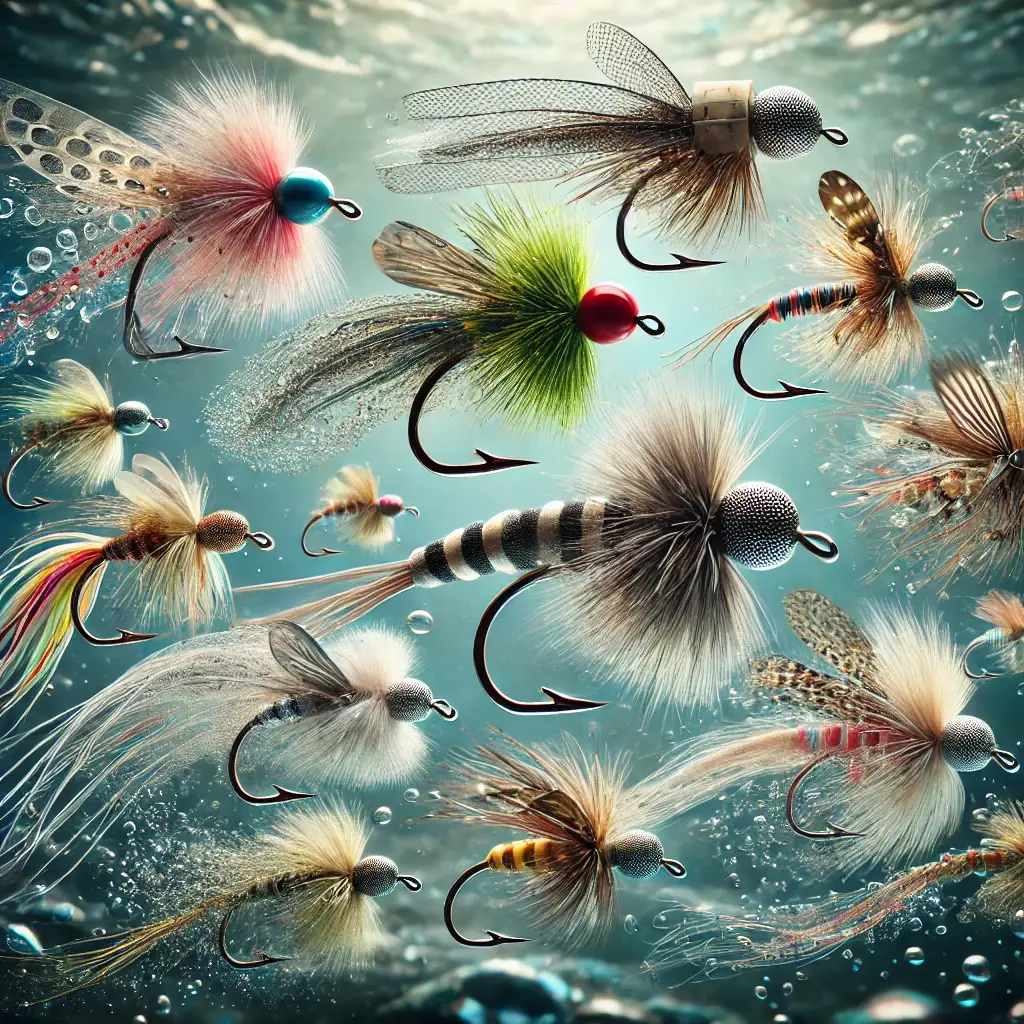
In 2025, synthetic flies are reaching new heights with advanced materials that mimic real insects better than ever. The days of simple feathers and fur are evolving into an era of high-tech fibers, UV-reflective coatings, and ultra-lightweight synthetics that increase realism and durability.
One of the most exciting developments is the use of nanofiber technology. These ultra-thin materials allow for unparalleled movement in the water, making flies appear more lifelike. Additionally, UV-reactive filaments are becoming a must-have, as they catch light in a way that closely resembles the natural shimmer of real insects.
Another breakthrough is biodegradable synthetics. Many anglers are becoming more environmentally conscious, and companies are responding with materials that break down naturally over time without harming aquatic ecosystems.

Smart Flies: The Integration of Technology
Fishing flies are no longer just about appearance—they’re getting smarter. Some high-end synthetic flies now incorporate microelectronics and hydrodynamic enhancements to improve performance.
Certain models feature tiny vibration emitters that mimic the subtle movements of real prey, making them irresistible to fish. Others use embedded scent capsules that slowly release fish-attracting pheromones into the water. These innovations give anglers an edge, especially in highly pressured waters where fish are more cautious.
There’s even talk of Bluetooth-connected flies that sync with an app to monitor water conditions, though these are still in early development. Whether or not they become mainstream, technology is clearly reshaping the future of fly fishing.
Best Synthetic Flies for Different Fishing Conditions
Different fishing environments call for different types of synthetic flies, and 2025 brings an array of specialized options.
- Still Water Fishing: In lakes and ponds, slow-moving flies with buoyant materials work best. Synthetic foam bodies and UV-reflective coatings help these flies stay visible and attractive in calm waters.
- Fast-Flowing Rivers: In strong currents, weighted synthetic flies with hydrodynamic designs help maintain a natural drift. Tungsten-infused fibers and water-resistant coatings keep them effective even in turbulent waters.
- Saltwater Fishing: The best saltwater synthetic flies are made from corrosion-resistant materials and feature reinforced threads to withstand aggressive strikes. Some now include built-in scent dispersal to mimic the natural smell of prey.
Customizing Synthetic Flies for Maximum Success
One of the biggest advantages of synthetic flies is the ability to customize them for specific fishing needs. Anglers are experimenting with different textures, colors, and movement-enhancing additions to create the perfect bait.
Many are using 3D-printed fly bodies to precisely control weight and shape. Others are incorporating flexible polymer legs that move naturally in the water. By tweaking small details like adding reflective strips or adjusting buoyancy with microfoam inserts, anglers can fine-tune their flies to match local insect activity.
Where to Find the Best Synthetic Flies
As synthetic flies continue to advance, more brands are offering high-tech options. Major fly-fishing retailers now carry specialized synthetic patterns, and custom fly makers are using cutting-edge materials to craft one-of-a-kind designs.

Online marketplaces are also booming with innovative synthetic flies, with some companies offering subscription boxes that send out the latest high-tech patterns each month. For those who prefer DIY fly tying, new synthetic materials are widely available, making it easier than ever to create custom designs.
With technology pushing the boundaries of what’s possible, 2025 is shaping up to be an exciting year for synthetic fly fishing. Whether you’re looking for ultra-realistic movement, built-in attractants, or next-gen durability, there’s never been a better time to experiment with high-tech synthetic flies.
High-Tech Synthetic Flies is more than just an activity—it’s an opportunity to [desired outcome]. Apply these tips, stay consistent, and see the results for yourself in 2025!
by Uncle John | Feb 4, 2025 | Freshwater Fishing
.separator {
border: none;
border-top: 2px solid black; /* Adjust thickness and color */
width: 50%; /* Set the width you want */
margin: 20px auto; /* Center the line and add spacing */
}
The Ultimate Guide to Fly Fishing Lures: Tips, Tricks, and Techniques for 2025
Discover the best fly fishing lures techniques and tips for 2025. Learn practical advice to enhance your fishing experience.
Did you know that the right fly fishing lure can increase your catch rate by over 50%? Whether you’re a seasoned angler or a beginner, this guide has everything you need to succeed in 2025.
Best Fly Fishing Lures for 2025
The fly fishing world is always evolving, and 2025 is shaping up to be an exciting year for anglers. Whether you’re a seasoned pro or just getting started, having the right lures in your tackle box can make all the difference. Let’s dive into the top fly fishing lures that are expected to dominate the waters this year.
1. High-Tech Synthetic Flies
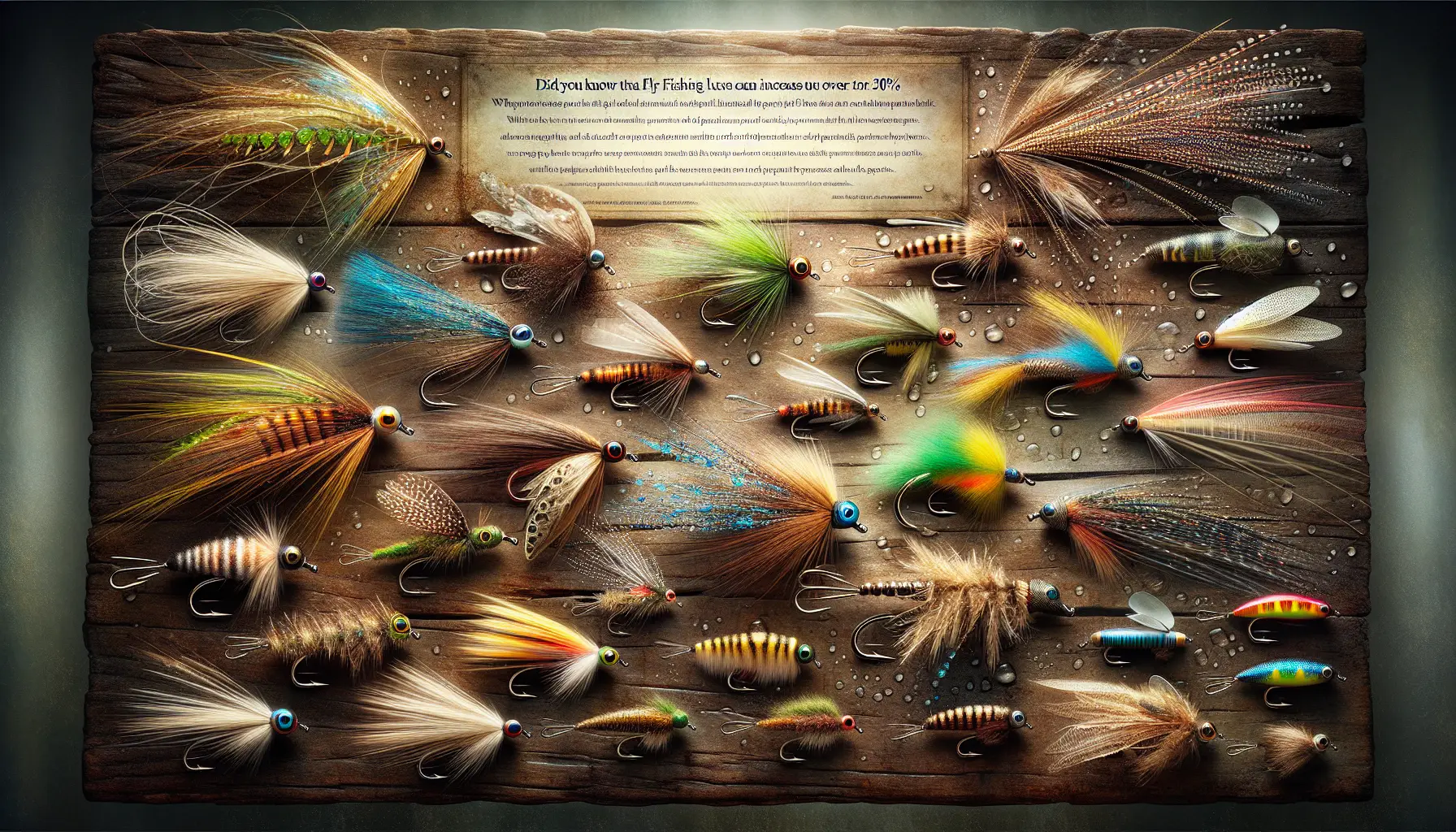
Traditional flies have always been a staple, but advancements in materials are bringing synthetic flies to the forefront. Companies are now using cutting-edge polymers and UV-reflective coatings to make lures more lifelike and durable. Some of the best synthetic flies for 2025 include:
- UV-Enhanced Nymph Patterns – These flies glow subtly underwater, mimicking the natural shimmer of insects.
- Silicone-Based Dry Flies – They float longer and resist water absorption, making them perfect for extended sessions.
- Soft Plastic Streamers – These move more naturally in the water, attracting even the most cautious trout.
If you haven’t tried synthetic flies yet, this might be the year to give them a shot. They’re more resilient than traditional materials and can withstand multiple catches before needing replacement. More info…..
2. Realistic Imitative Patterns
Fish are getting smarter—at least, that’s what it feels like when they ignore your perfectly placed cast. To stay ahead, anglers are turning to hyper-realistic lures that closely mimic natural prey. Some standout patterns for 2025 include:
- 3D-Printed Mayflies – These flies feature intricate wing details and lifelike body segments.
- Tungsten-Weighted Caddis Nymphs – Perfect for getting deep quickly in fast-moving water.
- Articulated Baitfish Streamers – These lures have jointed bodies that create an incredibly realistic swimming motion.
If you’re targeting wary fish in heavily fished waters, switching to these ultra-realistic patterns can make all the difference.
3. Eco-Friendly Fly Fishing Lures
Sustainability is becoming a major focus in fly fishing, and manufacturers are stepping up with biodegradable and environmentally friendly materials. Some of the most promising eco-friendly lures include:
- Bamboo Fiber Dry Flies – These decompose naturally over time, reducing waste.
- Recycled Feather Streamers – Made from ethically sourced or repurposed feathers.
- Water-Soluble Soft Plastics – These break down harmlessly if lost in the water.
With conservation efforts gaining momentum, using eco-friendly lures is a great way to reduce your environmental impact while still landing big catches.
4. Smart Lures with Embedded Tech
Technology is creeping into every aspect of fishing, and now even lures are getting a high-tech makeover. Some of the most innovative smart lures for 2025 include:
- Microchip-Embedded Flies – These emit subtle vibrations to mimic real insect movements.
- Temperature-Sensitive Color-Changing Lures – Adjust their appearance based on water temperature.
- Bluetooth-Connected Strike Indicators – Send alerts to your phone when a fish strikes.
While purists might scoff at these futuristic lures, there’s no denying their potential to increase catch rates. If you love experimenting with new gear, these smart lures are worth checking out.
5. Best Lures for Specific Fish Species
Different fish respond to different lures, and knowing which ones work best for your target species can save you a lot of frustration. Here are some top picks for 2025:
- Trout: UV-coated mayfly patterns and tungsten beadhead nymphs.
- Bass: Articulated baitfish streamers and high-contrast poppers.
- Salmon: Large profile synthetic flies with strong UV reflectivity.
- Panfish: Small foam-bodied terrestrials and micro-nymphs.
Matching your lure selection to the fish you’re after can dramatically improve your results on the water.
6. Pro Tips for Choosing the Right Lure
Even with the best lures at your disposal, success depends on how you use them. Here are a few quick tips:
- Match the Hatch: Pay attention to what insects or baitfish are present and use a similar pattern.
- Consider Water Conditions: Use brighter patterns in murky water and more subdued colors in clear water.
- Experiment with Retrieval Speeds: Sometimes a slower or more erratic retrieve can trigger reluctant fish.
- Stay Adaptable: If one lure isn’t working, don’t hesitate to switch things up.
Fly fishing is all about experimenting and refining your technique. The best anglers are the ones who stay flexible and keep learning from every outing.
With these top lures and tips in mind, you’ll be well-equipped for an amazing fly fishing season in 2025. Tight lines!
Fly fishing lures are more than just tools—they’re your ticket to an unforgettable fishing experience. Apply these tips, stay consistent, and see the results for yourself in 2025!

by Uncle John | Jan 28, 2025 | Freshwater Fishing
The Ultimate Guide to Fly Fishing the Basics: Tips, Tricks, and Techniques for 2025
Discover the best fly fishing the basics techniques and tips for 2025. Learn practical advice to master your fly fishing skills.
“Did you know that fly fishing dates back to the 2nd century in Macedonia? Whether you’re a seasoned angler or a curious beginner, this guide has everything you need to succeed in 2025.”
Top Fly Fishing Basics Tips for 2025
Understanding the Gear You Need
Let’s start with the essentials: your gear. If you’re new to fly fishing, the sheer variety of rods, reels, and lines can feel overwhelming. Trust me, I’ve been there—standing in a gear shop, eyes glazing over as someone rattled off specs that sounded more like an advanced physics lecture than a hobby. Here’s the thing: for beginners, you don’t need the fanciest equipment. A solid 5-weight rod and reel combo is versatile enough for most freshwater conditions. Pair that with a floating line and you’re good to go.
One mistake I made early on was investing in gear that was way too advanced for my skill level. I thought a fast-action rod was the way to go because, well, it sounded cool. Turns out, it’s harder to handle if you’re still mastering your casting technique. So, stick with a medium-action rod—it’s forgiving and makes learning the basics so much easier.
Mastering the Art of Casting
Casting is the heart of fly fishing. I’ll be honest: my first attempts were laughable. Picture a spaghetti noodle flopping around in the air—that was basically my line. But here’s the secret: it’s all about timing and rhythm. Start with short casts. Focus on getting your line to unfurl smoothly, like you’re gently laying it on the water.
One tip that changed the game for me was practicing without a hook. I’d head to a park or even my backyard and just work on my form without worrying about snagging anything (or anyone). Once I got the hang of it, I moved to the water. And remember, the goal isn’t to cast as far as possible; it’s to place your fly where the fish are likely to be. Quality over quantity, always.
Choosing the Right Flies
If you’ve ever stared at a wall of flies in a tackle shop, you know how overwhelming it can be. Dry flies, nymphs, streamers—it’s like learning a new language. A pro tip? Start with the basics and match your flies to the local hatch. In other words, use flies that mimic what the fish are already eating.
I’ll never forget the first time I actually caught something using a fly I’d tied myself. It was a scrappy little rainbow trout, but the thrill was unmatched. If you’re up for it, learning to tie your own flies can be both rewarding and cost-effective. But for beginners, a basic assortment of store-bought flies should cover most situations.
Reading the Water
Understanding where fish hang out is just as important as your casting or fly selection. I used to think you could just cast anywhere and hope for the best. Spoiler alert: that’s not how it works. Fish tend to congregate in certain spots—like pools, riffles, and runs—where they can find food and shelter.
One habit that’s served me well is taking a few minutes to watch the water before casting. Look for signs of fish activity, like ripples or rises. Pay attention to current patterns and areas where fast water meets slow water—that’s often where fish like to hang out.
Patience Is Key
Fly fishing isn’t about instant gratification, and honestly, that’s part of its charm. There were days when I didn’t catch anything but still walked away feeling refreshed and accomplished. The trick is to enjoy the process. Learn from your mistakes, celebrate small victories, and remember that even seasoned anglers have off days.
If there’s one piece of advice I wish I’d heard earlier, it’s this: don’t get too caught up in the numbers. It’s not about how many fish you catch; it’s about the experience, the connection to nature, and the stories you’ll have to tell. So, take your time, breathe in the fresh air, and let the water teach you its lessons.
Fly fishing the basics is more than just an activity—it’s an opportunity to connect with nature and improve your angling skills. Apply these tips, stay consistent, and see the results for yourself in 2025!
by John Fryer | Jan 24, 2025 | Freshwater Fishing
Practical Guide to What Makes South Jersey Ideal for Bass Fishing: Tips and Tools
Discover what makes South Jersey ideal for bass fishing. Learn practical tips and tools to enhance your fishing experience in this prime location.
South Jersey offers unique conditions for bass fishing. Understanding these can improve your success rate.
Abundant Fishing Spots in South Jersey
South Jersey is a goldmine for bass fishing enthusiasts. One of the main reasons it stands out is the sheer variety of fishing spots available. From sprawling lakes to quiet, tucked-away ponds, there’s no shortage of places to cast your line. Popular spots like Union Lake, Parvin State Park, and Hammonton Lake are teeming with bass, and they each offer something a little different.
Take Union Lake, for instance — it’s one of the largest reservoirs in New Jersey, and the bass here are known to grow to impressive sizes. On the other hand, smaller spots like Rainbow Lake are perfect if you’re looking for something more low-key. These quieter locations often feel like hidden gems, ideal for anglers who enjoy solitude and a bit of a challenge. If you’re willing to explore, you’ll find a mix of well-known hotspots and off-the-beaten-path treasures that make South Jersey truly special for bass fishing.
Ideal Climate for Bass Fishing
Another thing that makes South Jersey a bass fishing haven is its climate. The region’s mild winters and warm summers create the perfect environment for bass to thrive. The spring and fall seasons, in particular, are prime times to reel in a big catch. Bass tend to be more active during these transitional weather periods, feeding aggressively and moving to shallower waters.
If you’ve ever fished in the blazing heat of summer or the icy chill of winter, you know how challenging it can be. South Jersey’s moderate climate, especially during peak fishing months, makes it a lot easier to enjoy the experience. And let’s be honest — fishing is as much about the tranquility of being outdoors as it is about catching fish. South Jersey gives you that balance.
Variety of Bass Species
South Jersey is home to a wide variety of bass species, which keeps things exciting for anglers. You’ll find largemouth bass, smallmouth bass, and even striped bass in certain areas. Each species has its own unique behavior and preferred habitats, so it’s like solving a new puzzle every time you go out.
For example, largemouth bass tend to hang out in weedy areas or near submerged structures like logs and rocks. If you’re targeting smallmouth bass, you’ll want to look for clearer, cooler waters with a rocky bottom. Knowing where to find each species and how they behave adds an extra layer of strategy to your fishing trips.
Accessibility and Convenience
One of the best things about South Jersey is how accessible it is for anglers. Whether you’re a local or visiting from out of state, you’ll find that most fishing spots are easy to reach. There are plenty of public access points, boat ramps, and fishing piers scattered throughout the region. Plus, the relatively compact size of South Jersey means you can hit multiple fishing locations in a single day if you’re feeling adventurous.
Let’s say you start your morning at Parvin Lake and decide to switch things up by noon. You could easily head over to Menantico Ponds and still have plenty of daylight left for fishing. This level of convenience is a huge plus, especially for those who don’t have the luxury of spending an entire weekend fishing.
The fishing community in South Jersey is another reason why this region is so ideal for bass fishing. Whether you’re a seasoned pro or a beginner, you’ll find plenty of support and camaraderie among local anglers. There are numerous fishing clubs, tournaments, and online forums where you can share tips, swap stories, and learn from others.
And let me tell you, the locals know their stuff. If you’re new to the area, don’t hesitate to ask for advice. Most anglers are more than happy to point you in the right direction — whether it’s the best lure to use or the top spot to fish on a particular lake. Building connections within the community not only makes you a better angler but also adds a social element to the sport that’s hard to beat.
Tips for Successful Bass Fishing in South Jersey
If you’re planning to try your hand at bass fishing in South Jersey, here are a few tips to help you make the most of your trip. First, pay attention to the time of day. Early mornings and late afternoons are usually the best times to fish, as bass are more active during these cooler, low-light periods.
Second, don’t be afraid to experiment with different lures and techniques. What works at one lake might not work at another, so it’s all about trial and error. Soft plastic worms, crankbaits, and spinnerbaits are all popular choices, but sometimes the bass will surprise you by going for something unexpected.
Finally, keep an eye on the weather. Overcast days often lead to better fishing conditions because bass are less likely to hide in cover when the sun isn’t shining directly on the water. A little preparation and flexibility can go a long way toward making your fishing trip a success.
South Jersey bass fishing tips, essential bass fishing tools, improve bass fishing strategies, fishing in South Jersey, best bass fishing techniques.
![The Ultimate Guide to [Sea Fishing kayaks]: Tips, Tricks, and Techniques for 2025](https://unclejohnsknowhow.com/wp-content/uploads/2025/01/DALL·E-2025-01-24-22.20.50-A-vibrant-and-detailed-digital-painting-of-bass-fishing-in-South-Jersey-capturing-a-serene-early-morning-lake-surrounded-by-lush-greenery-and-wetland.webp)
by John Fryer | Jan 22, 2025 | Freshwater Fishing
.separator {
border: none;
border-top: 2px solid black; /* Adjust thickness and color */
width: 50%; /* Set the width you want */
margin: 20px auto; /* Center the line and add spacing */
}
The Ultimate Guide to [Sea Fishing kayaks]: Tips, Tricks, and Techniques for 2025
Discover the best tips and techniques for Sea Fishing kayaks in 2025. Learn practical advice to elevate your sea fishing adventures.
Did you know that using the right [Sea Fishing kayaks] can enhance your fishing experience by over 50%? Whether you’re a seasoned angler or a novice, this guide has everything you need to succeed in 2025.
Choose the Right Kayak for Your Needs
When it comes to sea fishing kayaks, not all models are created equal. Trust me, I’ve learned this the hard way. Back when I started, I bought a kayak that looked sleek but wasn’t stable enough for ocean currents. Big mistake. Stability is king when you’re out on open water, so look for models with a wide hull. A wider base keeps you upright, even when waves decide to surprise you.
Also, think about storage. Sea fishing means you’ll need room for rods, tackle boxes, maybe even a cooler for your catch. Many kayaks have built-in storage compartments or bungee cord areas, which are lifesavers. Oh, and don’t overlook the weight capacity. You don’t want to load up your gear only to find your kayak sitting dangerously low in the water.
Invest in a Quality Paddle
I can’t stress this enough—a good paddle can make or break your day. I used to think, “Why spend extra on a paddle? They’re all the same.” Well, after my arms felt like jelly from hauling a cheap, heavy paddle against the tide, I saw the light. Look for lightweight materials like carbon fiber or fiberglass. Sure, they’re pricier, but your shoulders will thank you.
The paddle length matters too. If it’s too short, you’ll struggle to clear the sides of your kayak. Too long, and you’re wasting energy swinging it like a windmill. Most brands include sizing guides, so don’t skip that step.
Safety First, Always
I know, safety tips can feel like a buzzkill, but they’re non-negotiable. One word: PFD. That’s a personal flotation device, and it’s your best friend out there. Pick one that’s designed for kayaking—it won’t restrict your movement.
Another must-have? A waterproof VHF radio or a phone in a dry bag. I had a close call once when the weather turned, and I was miles from shore. Cell service isn’t always reliable, so a VHF radio can literally save your life.
Lastly, check the weather before you head out. I’ve been caught in sudden storms, and let me tell you, it’s not fun. Apps like Windy or FishWeather can give you a detailed forecast, so you’re not caught off guard.
Master the Art of Anchoring
Anchoring on the ocean is a skill that takes some practice. The first time I tried, I dropped anchor, only to realize I was drifting because the line was too short. Rookie move. Make sure you have at least three times the depth of water in anchor line. This gives your kayak enough slack to hold steady.
A lightweight anchor is ideal, but it should still be heavy enough to grip the seabed. Grapnel anchors are a popular choice for kayakers because they’re compact and effective. Just make sure you secure the anchor line to a cleat or bungee system to avoid losing it.
Fishing from a kayak is a whole different ball game compared to doing it from shore or a boat. You want to keep things compact but functional. A rod holder is a game-changer—it lets you focus on paddling or checking your bait. Look for adjustable ones that can be mounted on your kayak.
A fish finder can also make a huge difference. I was skeptical at first, but after using one, I caught more fish in one trip than I had in weeks. Many models are designed specifically for kayaks, with smaller screens and easy mounting options.
Don’t forget a landing net. It’s nearly impossible to haul in a wriggling fish while balancing on a kayak without one. Trust me, I’ve lost more than my fair share of catches trying to skip this step.
Dress for the Conditions
Sea fishing means you’re at the mercy of the elements, so dress smart. Layering is key—start with moisture-wicking base layers to keep sweat off your skin. Add a waterproof jacket to protect against spray and unexpected rain.
Footwear is just as important. Water shoes or neoprene boots work great because they dry quickly and give you grip on slippery surfaces. And please, don’t forget sun protection. A wide-brim hat, polarized sunglasses, and sunscreen are non-negotiable. I once came back with a sunburn so bad I couldn’t fish for days. Lesson learned.
Practice Makes Perfect
If you’re new to sea kayak fishing, don’t jump straight into deep waters. Practice in calm, shallow areas first. Learn how to balance, paddle efficiently, and cast without tipping over. I spent hours in a local bay before I felt confident enough to tackle open water.
And remember, not every trip will be a success. Some days, the fish just aren’t biting. That’s okay. Use those moments to refine your technique, enjoy the scenery, and appreciate the simple joy of being out on the water.
[Sea Fishing kayaks] offer more than just a way to fish—they provide an opportunity to explore and enjoy the open waters. Apply these tips, stay consistent, and see the results for yourself in 2025!
by John Fryer | Jan 21, 2025 | Freshwater Fishing
The Ultimate Guide to Sit-In Kayaks: Tips, Tricks, and Techniques for 2025
Discover the best Sit-In Kayaks techniques and tips for 2025. Learn practical advice to enhance your kayaking experience.
Did you know interesting stat or fact related to Sit-In Kayaks? Whether you’re looking to explore serene waters or tackle exciting rapids, this guide has everything you need to succeed in 2025.
Sit-In Kayaks is more than just an activity—it’s an opportunity to explore the great outdoors and challenge yourself. Apply these tips, stay consistent, and see the results for yourself in 2025!
1. Sun Dolphin Journey 10 SS ($)
Why it’s on the list: Lightweight and compact, this 10-foot kayak is perfect for small lakes and calm waters. It’s easy to transport and features two flush-mount rod holders for fishing convenience.
Best for: Beginner anglers or those with limited storage space.
Standout feature: Portable Accessory Carrier (P.A.C.) doubles as a dry storage compartment or backpack. This feature adds versatility for carrying gear or storing essentials while on the water.
Why it’s on the list: An affordable, rugged kayak built for fishing. With multiple rod holders and adjustable footrests, it’s an excellent entry point into the world of fishing kayaks. Its sturdy construction ensures long-term durability.
Best for: Casual anglers on a budget.
Standout feature: Flat-bottom hull for maximum stability while casting or reeling in a catch. Perfect for those who want stability without breaking the bank.
3. Pelican Mustang 100X Angler ($$)
Why it’s on the list: Compact and stable, this fishing kayak is built from durable Ram-X™ material. It includes two rod holders and an adjustable padded seat for added comfort during long fishing trips. Its lightweight design makes it easy to handle on and off the water.
Best for: Anglers looking for an affordable, lightweight option with solid performance.
Standout feature: Front storage platform with bungee cords for securing gear, allowing anglers to keep their equipment organised and within reach.
Why it’s on the list: Its tri-keel hull design offers excellent tracking and stability for lakes and rivers, while its dashboard provides built-in mounts for fish finders and accessories. The open cockpit design adds comfort and accessibility.
Best for: Freshwater fishing enthusiasts who want a bit more refinement in their kayak.
Standout feature: Open cockpit with built-in gear tracks for customisation. This makes it easy to add accessories and tailor the kayak to individual fishing needs.
5. Vibe Skipjack 90 ($$$)
Why it’s on the list: This compact but highly functional kayak is ideal for anglers who value portability without sacrificing essential fishing features. It boasts four rod holders and a spacious rear tank well for storage.
Best for: Anglers needing a smaller, versatile kayak for tight fishing spots.
Standout feature: Pre-installed mounting points for fish finders and other accessories, making it ready for customisation straight out of the box.
Why it’s on the list: A true fishing machine, this kayak is designed with a performance-oriented hull that’s stable in choppy waters. It features adjustable foot braces and EVA foam deck pads, making it possible to stand while fishing comfortably.
Best for: Serious anglers who want a stable platform for both freshwater and inshore saltwater fishing.
Standout feature: Built-in transducer mount for fish finders, simplifying the process of integrating advanced fishing tech.
Why it’s on the list: A premium fishing kayak combining comfort and performance. With ample storage and a Phase 3® AirPro seat, it ensures anglers can spend hours on the water without fatigue.
Best for: All-day fishing adventures in freshwater and light coastal waters.
Standout feature: Dashboard with multiple rod holders and accessory mounts for convenience and efficiency.
Why it’s on the list: Known for its pedal-driven MirageDrive, this kayak allows anglers to keep their hands free for fishing. The durable hull is stable enough for standing casts and choppy conditions.
Best for: Saltwater and freshwater anglers seeking hands-free mobility.
Standout feature: Pedal propulsion system and built-in rod holders, providing a seamless fishing experience.
9. Bonafide EX123 ($$$$)
Why it’s on the list: Designed with stability and fishing in mind, this kayak features a wide-open deck for standing and casting. It’s also exceptionally lightweight for its class.
Best for: Anglers who want a high-quality kayak that’s easy to transport.
Standout feature: Hybrid catamaran hull for unmatched stability, ideal for fishing in challenging conditions.
10. Hobie Mirage Pro Angler 12 ($$$$$)
Why it’s on the list: The ultimate fishing kayak with pedal power, rod storage for up to six rods, and an elevated Vantage seat for superior visibility and comfort. It’s built like a fishing yacht in kayak form.
Best for: Dedicated anglers who want the best in performance and features for both saltwater and freshwater fishing.
Standout feature: Integrated H-Rail system for endless customisation options, allowing anglers to tailor the kayak to their exact preferences.
Summary
These fishing kayaks cater to anglers of all skill levels and budgets. From the affordable and practical Sun Dolphin Journey 10 SS to the feature-rich Hobie Mirage Pro Angler 12, there’s an option for every type of fishing adventure. With stability, storage, and fishing-focused designs, these kayaks make every trip on the water enjoyable and productive.
