Best Sea Fishing Rods for Beginners: Top 5 Picks for 20254
meta: Looking for the best sea fishing rods for beginners in 2024? Check out our top 5 picks with detailed reviews, features, and expert tips to help you start your fishing journey today!
Fishing is one of those hobbies that’s equal parts relaxing and exciting. But let’s be honest—picking the right gear, especially as a beginner, can feel like diving into the deep end without a life jacket. Did you know that over 65% of beginner anglers say they struggled to choose their first fishing rod? Don’t worry, though—I’ve been there, and I’m here to help! Whether you’re planning your first sea fishing adventure or gifting a rod to a budding angler, this guide will walk you through the top 5 beginner-friendly sea fishing rods for 2024. Let’s reel in the perfect choice for you!
Why Choosing the Right Fishing Rod Matters for Beginners
When you’re just starting out with sea fishing, the gear you choose can make or break your experience. The right fishing rod is more than just a tool—it’s your gateway to learning and enjoying the sport. For beginners, selecting the proper rod can mean the difference between frustration and a rewarding day on the water.
Using the wrong rod can present several challenges for beginners. For instance, a rod that’s too heavy or too advanced can feel cumbersome, making it difficult to cast properly. This can lead to fatigue and missed opportunities to catch fish. Beginners often need equipment that is forgiving, easy to handle, and tailored to their skill level.
Comfort, durability, and ease of use should be top priorities when choosing a beginner rod. A comfortable rod allows you to fish for extended periods without strain. Durability ensures your rod can withstand the wear and tear of learning, while ease of use helps you focus on mastering the basics instead of wrestling with complicated gear.
Key Features to Look for in a Beginner Sea Fishing Rod
When shopping for your first sea fishing rod, there are several key features to keep in mind. These factors will help you narrow down your options and find a rod that suits your needs.
Length
The length of a fishing rod plays a significant role in its performance. For beginners, rods that are 6 to 8 feet long are typically ideal. Shorter rods offer more control, making them great for close-range fishing, while longer rods allow for greater casting distance. A mid-range length strikes a balance between the two, which is perfect for those just starting out.
Material
Fishing rods are commonly made from fiberglass, graphite, or composite materials. Fiberglass rods are durable and affordable, making them a great choice for beginners. Graphite rods, on the other hand, are lighter and more sensitive but tend to be more expensive and less forgiving of rough handling. Composite rods combine the best of both worlds, offering a balance of durability and performance.
Power and Action
Understanding the terms “power” and “action” is crucial when selecting a rod. Power refers to the rod’s strength or resistance to bending, while action describes how and where the rod bends under pressure. Beginners should look for medium power and moderate action rods, as these provide versatility and are easier to control.
Portability
If you plan to travel with your fishing rod, portability is an important consideration. Telescopic rods are compact and easy to transport, making them a popular choice for beginners. However, traditional one-piece or two-piece rods often offer better performance and durability.
Cost
As a beginner, you don’t need to break the bank for a high-end fishing rod. Look for a rod that offers a good balance between affordability and quality. Spending a little more on a durable, well-made rod can save you money in the long run by avoiding frequent replacements.
Top 5 Sea Fishing Rods for Beginners in 2025
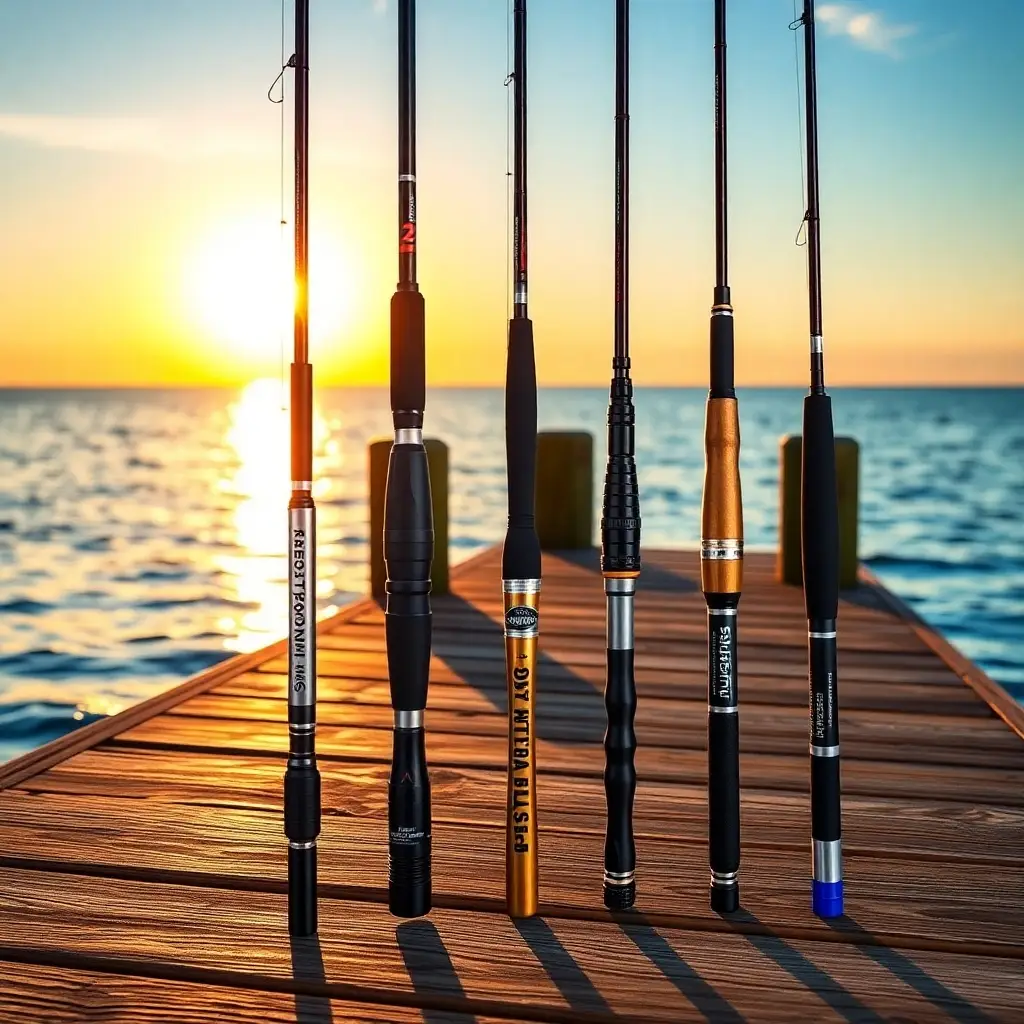
Here are five excellent options for beginner sea fishing rods in 2025, each catering to different needs and budgets.
Rod #1: [Ugly Stik GX2 Spinning Rod]
Key Features: Made from durable fiberglass, 7-foot length, medium power, moderate action.
Pros: Lightweight, beginner-friendly, and affordable.
Cons: Limited advanced features for experienced anglers.
Price Range: $40–$60. Available at most outdoor retailers and online.
Rod #2: [Penn Battle III Spinning Rod]
Why It’s Great for Beginners: This rod combines a graphite build with a comfortable grip, making it ideal for learning proper casting techniques.
Key Features: 6.5-foot length, medium-light power, fast action.
Price Range: $50–$80.
Rod #3: [PLUSINNO Telescopic Fishing Rod]
Unique Features: Telescopic design makes this rod easy to pack and carry, perfect for anglers on the go.
Pros: Highly portable, durable build, and beginner-friendly design.
Cons: Slightly less sensitive than traditional rods.
Price Range: $30–$50.
Rod #4: [KastKing Crixus Fishing Rod]
Best for Budget-Conscious Beginners: This rod offers great value without compromising on quality.
Key Features: Fiberglass construction, 6-foot length, medium power.
Price Range: $20–$40.
Rod #5: [Shimano Solora 2-Piece Spinning Rod]
High-Performance Option: For beginners willing to invest a bit more, this rod offers advanced features while remaining accessible to new anglers.
Selecting the perfect fishing rod depends on your unique goals and circumstances. Here are some factors to consider:
Assess Your Fishing Goals
Are you planning to fish casually on weekends, or do you aspire to master advanced techniques? Casual anglers may prefer a simple, all-purpose rod, while those with bigger ambitions might want a rod with more specialized features.
Consider the Type of Fish
The size and species of fish you’re targeting will influence your choice. For smaller fish, a lighter rod will suffice, but for larger, stronger species, you’ll need a rod with more power.
Factor in Your Fishing Environment
Where you plan to fish is another critical factor. Shoreline and pier fishing often require different rods than boat fishing. Make sure your rod is suited to the environment where you’ll be casting your line.
Test or Read Reviews
Whenever possible, test the rod in-store to get a feel for its weight and balance. If that’s not an option, reading reviews from other beginners can provide valuable insights.
Tips for Maintaining Your Fishing Rod
To ensure your fishing rod lasts for years, proper maintenance is essential. Here are some tips to keep your rod in top condition:
Clean Your Rod After Saltwater Use
Saltwater can cause corrosion, so it’s important to rinse your rod thoroughly with fresh water after each use. Pay special attention to the guides and reel seat.
Store Properly
Avoid storing your rod in damp or excessively hot environments. Use a rod holder or case to keep it safe from damage.
Inspect Regularly
Check your rod for signs of wear and tear, such as cracks or loose guides. Addressing small issues promptly can prevent bigger problems down the line.
Replace Damaged Parts
If a guide or tip becomes damaged, replace it as soon as possible. This will help maintain the rod’s performance and extend its lifespan.
Conclusion
Fishing is all about patience, practice, and the right tools. As a beginner, investing in a quality sea fishing rod can make all the difference in your experience. From understanding the key features to exploring the top 5 rods for 2024, you’re now equipped to make an informed decision. So, what are you waiting for? Grab your gear, hit the water, and start creating unforgettable fishing memories. If you’ve used any of the rods mentioned, or have tips for fellow beginners, drop a comment below—I’d love to hear your thoughts!
How to Choose the Best Spot for Sea Fishing as a Beginner
meta: Discover the ultimate guide on how to choose the best spot for sea fishing as a beginner. Learn tips, techniques, and factors to consider for a successful fishing adventure.
So, you’ve decided to dive into the world of sea fishing—welcome aboard! Whether you’re chasing the thrill of catching your first big fish or simply enjoying the serenity of the sea, choosing the right spot is key to your success. Did you know that location is often the deciding factor between a productive day on the water and coming home empty-handed? As a beginner, it can feel overwhelming with so many options, but don’t worry—I’ve been there too! In this guide, I’ll break down everything you need to know to pick the perfect sea fishing spot, so you can focus on what matters: enjoying the experience and reeling in those fish!
Why Location Matters in Sea Fishing
When it comes to sea fishing, location is everything. Fish behavior is heavily influenced by environmental factors such as tides, water temperature, and underwater structures. For instance, certain species prefer cooler waters or areas with abundant food sources like reefs or weed beds. Tides can also dictate fish movements, with many species becoming more active during incoming or outgoing tides.
Finding the right location significantly increases your chances of catching fish. A spot with the right conditions can mean the difference between a successful day and going home empty-handed. Knowing where fish are likely to congregate, such as near drop-offs or submerged rocks, gives you a major advantage.
Local knowledge and research play a pivotal role in identifying productive spots. Talking to local anglers, visiting bait shops, or even joining online fishing communities can provide valuable insights into the best areas to fish. Combining this information with your own observations can help you uncover hidden gems.
Understanding the Basics: Tides, Currents, and Weather
Tides and currents are key factors in sea fishing. Fish often use currents to carry food, and their feeding habits align with tidal movements. For example, an incoming tide might bring baitfish closer to shore, attracting larger predators. Understanding these patterns can help you position yourself effectively.
Weather conditions also play a significant role in fishing success. Wind direction can influence water clarity and fish behavior, while overcast skies often encourage fish to be more active. Sunlight, on the other hand, can make fish retreat to deeper, shaded areas.
To plan your trip, use tide charts and weather apps. These tools can help you identify optimal fishing windows and avoid unfavorable conditions. By aligning your fishing efforts with these natural patterns, you'll improve your chances of success.
Types of Sea Fishing Spots for Beginners
Sea fishing offers a variety of spots to choose from, each with its own unique experience. Beaches, for instance, provide plenty of space and are easily accessible. They’re great for beginners as you can cast directly from the shore. However, they may require some knowledge of where fish are likely to gather, such as near sandbars or in surf zones.
Piers and jetties are excellent for beginners due to their stability and proximity to deeper water. These structures often attract fish because they provide shelter and food. The downside is that they can get crowded, especially during peak fishing times.
Fishing from boats offers access to deeper waters and a wider range of species, but it can be more expensive and challenging for beginners. If you're just starting, consider trying out a guided fishing trip to learn the ropes.
For beginners, coastal areas with calm waters and easy access are ideal. Look for locations with minimal waves and plenty of room to practice casting. These spots allow you to focus on learning without the pressure of dealing with difficult conditions.
How to Research and Scout for the Perfect Spot
The internet is a treasure trove of information for finding great fishing spots. Online fishing forums, Google Maps, and fishing apps can help you identify potential locations and learn about their features. Look for areas with good reviews or reports of recent catches.
Visiting a spot beforehand is another effective way to scout. Observe the conditions, such as water clarity, tidal flow, and nearby structures. This can give you a better idea of whether the location is suitable for your fishing goals.
Don't underestimate the value of talking to local anglers and bait shop owners. These individuals often have insider knowledge about the best times and places to fish. A friendly conversation can save you hours of trial and error.
What to Look for in a Beginner-Friendly Fishing Spot
Safety and accessibility are crucial when choosing a fishing spot as a beginner. Look for areas with stable footing, clear paths, and minimal hazards, such as strong currents or slippery rocks. This ensures a more enjoyable and worry-free experience.
Signs of a good fishing spot include visible baitfish activity, such as small fish jumping out of the water, and the presence of underwater structures like rocks, reefs, or drop-offs. These features often attract larger fish.
Avoid crowded locations or those with challenging conditions, such as strong waves or deep mud. Starting in a calm, less intimidating environment allows you to build confidence and hone your skills.
Essential Gear and Tips for Fishing Success
Having the right gear is essential for a successful fishing trip. For beginners, a basic checklist includes a medium-action rod, a spinning reel, monofilament line, hooks, sinkers, and a tackle box. Don’t forget essentials like a fishing license and a pair of pliers for handling hooks.
Bait selection is another important factor. Research the species you're targeting and choose bait accordingly. For example, shrimp and squid are versatile options that work for many types of fish.
Fishing requires patience and a willingness to learn from each trip. Pay attention to what works and what doesn’t, and don’t get discouraged by slow days. Every outing is an opportunity to improve your skills.
Common Mistakes Beginners Make When Choosing a Fishing Spot
One common mistake is ignoring tide schedules. Fishing during the wrong tide can lead to poor results, as fish are less likely to be active. Always check tide charts and plan your trip around favorable tidal movements.
Another error is choosing unsafe locations. Slippery rocks, strong currents, or areas with heavy boat traffic can be dangerous, especially for beginners. Prioritize safety over convenience.
Overcomplicating the process is also a frequent pitfall. Beginners often try to use advanced techniques or target difficult species, leading to frustration. Start simple and build your skills gradually.
To avoid these mistakes, focus on preparation and research. Use reliable resources, ask for advice, and choose locations that match your skill level. With time and practice, you'll become more confident in selecting the perfect fishing spot.
Conclusion
Choosing the best spot for sea fishing as a beginner doesn’t have to be complicated. By understanding the basics of tides, currents, and weather, researching your options, and prioritizing safety and accessibility, you’ll set yourself up for a great experience on the water. Remember, every fishing trip is a learning opportunity, so don’t be afraid to experiment and adjust as you go. Now it’s time to grab your gear, head to the water, and start reeling in some memories! If you’ve got a favorite fishing spot or tips for beginners, share them in the comments below—we’d love to hear from you!
meta: Discover the ultimate guide to sea fishing in the USA for 2025! Learn the best coastal spots, fishing techniques, gear recommendations, and seasonal tips to make your fishing adventure unforgettable.
Sea fishing in the USA is more than just a pastime—it’s a way of life for many! Whether you’re a seasoned angler or a curious beginner, there’s something magical about casting your line into the vast ocean, waiting for that thrilling tug. Did you know that over 50 million Americans participate in recreational fishing each year? That’s a testament to its popularity! In this guide, we’ll dive deep (pun intended!) into everything you need to know about sea fishing in the USA in 2025. From the top coastal destinations to the latest gear trends and expert tips, we’ve got you covered. So grab your tackle box, and let’s get started on this exciting journey!
Top Coastal Destinations for Sea Fishing in the USA
When it comes to sea fishing, the USA offers a wealth of coastal destinations that cater to anglers of all skill levels. From the East Coast to the West Coast and the Gulf of Mexico, there’s no shortage of prime fishing spots to explore.
East Coast: Florida Keys and Cape Cod
The Florida Keys are a dream destination for anglers, offering crystal-clear waters and an abundance of fish species. Here, you can target tarpon, bonefish, and marlin. Cape Cod, on the other hand, is known for its striped bass, bluefish, and tuna. Whether you’re casting from shore or heading out on a charter, these locations are packed with opportunities.
Gulf of Mexico: Gulf Shores
Gulf Shores in Alabama is a hotspot for red snapper, grouper, and amberjack. The warm waters of the Gulf make it an excellent year-round fishing destination. You can fish from piers, hire a charter, or even try your luck from the shore.
West Coast: San Diego
San Diego offers some of the best deep-sea fishing on the West Coast. Tuna, yellowtail, and dorado are just a few of the species you can reel in. With a variety of charters available, you can venture far offshore for a truly unforgettable experience.
Tips for Accessing These Locations
Whether you’re fishing from a pier, the shore, or a boat, preparation is key. Many of these destinations have local charters that provide all the gear and expertise you need. For DIY anglers, look for public piers or accessible beaches where fishing is allowed.
Essential Sea Fishing Gear for 2025
Having the right gear can make or break your sea fishing experience, and 2025 brings exciting advancements in fishing technology.
Latest Advancements in Gear
Fishing rods and reels are getting lighter, stronger, and more efficient. Look for saltwater-resistant gear to withstand the harsh marine environment. High-performance reels with advanced drag systems are perfect for tackling larger fish like tuna or marlin.
Beginner-Friendly vs. Pro-Level Equipment
For beginners, consider starter kits that include a versatile rod, reel, and basic tackle. Pro anglers might want to invest in specialized rods for trolling or bottom fishing. Brands like Shimano and Penn are releasing cutting-edge options tailored to seasoned fishermen.
Must-Have Accessories
Don’t forget essential accessories like GPS fish finders to locate schools of fish, bait buckets to keep your bait fresh, and waders for shallow-water fishing. These tools can significantly enhance your fishing success.
Best Fishing Techniques for Coastal Waters
Mastering the right techniques is crucial for a successful day on the water. Here are three popular methods to consider.
Trolling
Trolling involves dragging bait or lures behind a moving boat. This technique is ideal for catching fast-moving species like tuna or kingfish. Use a sturdy rod and reel with a trolling lure that mimics the movement of live bait.
Bottom Fishing
Bottom fishing targets species like grouper and snapper that dwell near the ocean floor. Drop your baited hook to the bottom and wait for a bite. Use heavy weights and sturdy lines to handle the strong currents and heavy fish.
Drift Fishing
Drift fishing allows your boat to move with the current while your bait drifts naturally in the water. This method is versatile and works well for a variety of species. Live bait like shrimp or squid is often the best choice.
Seasonal Adjustments
Always consider the time of year and water temperature when selecting your technique. Some methods are more effective in summer, while others work better in cooler months.
Seasonal Fishing Calendar: What to Catch and When
Timing is everything in sea fishing, and understanding seasonal patterns can help you plan the perfect trip.
Month-by-Month Guide
January–March: Target grouper and snapper in the Gulf of Mexico.
April–June: Look for striped bass and bluefish along the East Coast.
July–September: Tuna and marlin are abundant off the coasts of Florida and California.
October–December: Redfish and flounder are popular catches in the Gulf.
Weather and Water Temperature
Fish behavior is heavily influenced by water temperature and weather conditions. Warmer months typically bring more active fish, while cooler months may require deeper fishing techniques.
Planning Around Peak Seasons
Research the peak fishing seasons for your target species and location. Booking charters well in advance during these times is highly recommended.
Rules, Regulations, and Sustainability Practices
Fishing responsibly is essential to preserving marine ecosystems for future generations.
Fishing Licenses and Permits
Before heading out, ensure you have the necessary fishing licenses and permits. These vary by state and may include specific endorsements for saltwater fishing.
Size and Bag Limits
Familiarize yourself with size and bag limits for common species. For example, red snapper often has strict regulations to prevent overfishing.
Sustainable Practices
Practice catch-and-release for species you don’t intend to keep. Use circle hooks to minimize harm and avoid overfishing by adhering to local guidelines.
State-Specific Resources
Check official state websites for the most up-to-date regulations. Many states provide online tools to simplify the licensing process.
Tips for a Successful Sea Fishing Adventure
A little preparation goes a long way in ensuring a smooth and enjoyable fishing trip.
Trip Planning and Safety
Start by organizing your gear and checking weather forecasts. Pack essentials like sunscreen, water, and a first aid kit. Always inform someone of your plans if you’re fishing in remote areas.
Finding Local Guides and Charters
Local guides and charters can provide invaluable expertise, especially if you’re new to the area. Look for operators with good reviews and knowledge of local waters.
Staying Comfortable
Long fishing trips can be physically demanding. Stay hydrated, wear sun-protective clothing, and bring snacks to keep your energy up. A comfortable chair or cushion can also make a big difference.
Troubleshooting Common Challenges
Tangled lines and bad weather are part of the game. Keep extra line and tackle on hand, and always have a backup plan in case conditions turn unfavorable. Patience and adaptability are key to overcoming these challenges.
Conclusion
Sea fishing in the USA offers endless opportunities for adventure, relaxation, and connection with nature. Whether you’re reeling in a massive marlin off the Florida coast or enjoying a quiet day on a pier in California, the thrill of the catch is unmatched. As you plan your coastal fishing trips in 2025, remember to stay informed about local regulations, invest in quality gear, and embrace the experience fully. Got a favorite fishing spot or a tip to share? Let us know in the comments below—we’d love to hear about your adventures! Tight lines and happy fishing!
meta: Learn how to set up a sea fishing rod step-by-step with this beginner’s guide. From choosing the right gear to mastering the setup, get ready for your first successful fishing trip!
Fishing by the sea is one of the most peaceful and rewarding hobbies you can pick up. But let’s be honest—it can feel a little overwhelming when you’re just starting out. I mean, setting up a sea fishing rod? Where do you even begin? Don’t worry—I’ve been there, fumbling with tangled lines and mismatched reels. In this guide, I’ll walk you through everything you need to know to set up your sea fishing rod like a pro, even if it’s your very first time! Whether you’re gearing up for a relaxing day by the shore or planning to reel in your first big catch, this guide has you covered.
Choosing the Right Sea Fishing Rod and Reel
The Difference Between Spinning Rods and Baitcasting Rods for Beginners
When you’re starting out, the type of rod you choose can make or break your fishing experience. Spinning rods are often the go-to for beginners because they are easier to use and less prone to tangles. They pair with spinning reels, which are straightforward to operate and versatile for various fishing techniques. On the other hand, baitcasting rods are designed for more experienced anglers. They offer better control and accuracy but come with a steeper learning curve. If you’re new to sea fishing, stick with a spinning rod to build your confidence and skills.
How to Pick the Right Rod Length and Material for Sea Fishing
Rod length plays a crucial role in your fishing success. Longer rods, typically 7 to 10 feet, are ideal for casting farther distances, which is often necessary for sea fishing. Shorter rods, around 6 to 7 feet, are better for close-range fishing or when you’re on a boat. As for materials, fiberglass rods are durable and budget-friendly, making them great for beginners. However, graphite rods are lighter and more sensitive, which can help you detect subtle bites.
Understanding Reel Types: Spinning Reels vs. Conventional Reels
Spinning reels are beginner-friendly and versatile, making them a popular choice for sea fishing. They’re easy to cast and work well with light to medium tackle. Conventional reels, also known as baitcasting reels, are better suited for heavy-duty fishing and targeting larger species. They offer greater line capacity and power but require more skill to operate. Choose a spinning reel if you’re just starting out, and upgrade to a conventional reel as you gain experience.
Why Rod Power and Action Matter for Sea Fishing
Rod power refers to the rod’s strength or lifting capability, while action describes how much the rod bends under pressure. For sea fishing, medium to heavy power rods are ideal for handling larger fish and stronger currents. Fast-action rods, which bend mostly near the tip, are better for quick hooksets, while moderate-action rods provide more flexibility and are forgiving for beginners. Understanding these factors will help you choose a rod that suits your fishing style and target species.
Essential Fishing Gear You’ll Need
Fishing Line Types: Monofilament, Fluorocarbon, and Braided Lines
The type of fishing line you use can impact your success. Monofilament lines are affordable, easy to handle, and work well for beginners. Fluorocarbon lines are virtually invisible underwater, making them great for clear waters, but they can be pricier. Braided lines are incredibly strong and have minimal stretch, making them ideal for targeting larger fish. Consider the fishing conditions and your target species when choosing a line.
Choosing the Right Fishing Hooks, Sinkers, and Swivels
Hooks come in various sizes and styles, so match them to the size of the fish you’re targeting. Circle hooks are beginner-friendly and reduce the chance of gut-hooking fish. Sinkers help your bait reach the desired depth, with options like split-shot sinkers for light setups and pyramid sinkers for strong currents. Swivels prevent your line from twisting and are essential when using certain rigs or lures.
Must-Have Accessories: Pliers, Tackle Boxes, and Bait Buckets
A good pair of pliers is indispensable for removing hooks and cutting lines. Tackle boxes keep your gear organized, while bait buckets are essential for keeping live bait fresh. These items may seem basic, but they can make your fishing trip much smoother and more enjoyable.
Optional Gear: Rod Holders, Bait Knives, and Fish Finders
Rod holders are great for hands-free fishing, especially if you’re on a boat. A bait knife is handy for cutting bait and cleaning fish. Fish finders can be a game-changer, helping you locate fish more efficiently. While not essential, these tools can enhance your fishing experience.
Step-by-Step Guide to Setting Up Your Sea Fishing Rod
How to Attach the Reel to the Rod Securely
Start by aligning the reel foot with the rod’s reel seat. Tighten the reel seat until the reel is firmly in place, but avoid overtightening, as this can damage the rod.
Threading the Fishing Line Through the Rod’s Guides
Pull the line from the reel and thread it through each guide, starting from the bottom and working your way to the tip. Make sure the line is running smoothly without any twists.
How to Tie a Strong Knot (e.g., the Improved Clinch Knot)
To tie an improved clinch knot, thread the line through the hook eye and wrap it around the standing line 5-7 times. Pass the tag end through the loop near the eye, then back through the big loop. Pull tight and trim the excess.
Adding Terminal Tackle: Hooks, Sinkers, and Swivels
Attach your chosen hook to the end of the line using a strong knot. Add a sinker above the hook for weight, and use a swivel to prevent line twists if needed. Your setup will depend on the fishing conditions and your target species.
Choosing and Prepping Bait for Sea Fishing
Live Bait Options: Shrimp, Squid, and Minnows
Live bait like shrimp, squid, and minnows are highly effective for sea fishing. They mimic the natural prey of many fish species, increasing your chances of a bite.
Artificial Lures: Jigs, Spoons, and Soft Plastics
If live bait isn’t available, artificial lures can be a great alternative. Jigs are versatile and work well in various depths. Spoons mimic the flash of baitfish, while soft plastics are excellent for imitating smaller prey.
How to Hook Live Bait Correctly for Maximum Effectiveness
Hook live bait through sturdy parts like the back, tail, or lips to keep it alive and swimming naturally. This makes it more appealing to fish.
Tips for Keeping Bait Fresh During Your Fishing Trip
Keep live bait in a well-aerated bait bucket and change the water frequently. For cut bait, store it on ice to maintain freshness.
Casting Techniques for Beginners
How to Perform an Overhead Cast for Distance
Hold the rod with both hands, with your dominant hand on the reel. Swing the rod back over your shoulder and then forward in a smooth motion, releasing the line at the right moment to achieve maximum distance.
Sidearm Casting: When and How to Use It
Sidearm casting is useful in situations where overhead casting isn’t practical, such as when you’re fishing under low-hanging branches. Swing the rod sideways and release the line in a smooth motion.
Common Mistakes Beginners Make While Casting
Beginners often release the line too early or too late, resulting in poor casts. Another common mistake is using too much force, which can lead to tangles. Focus on smooth, controlled motions.
Practice Drills to Improve Your Casting Accuracy
Set up targets at different distances and practice casting toward them. This will help you develop accuracy and control over time.
Troubleshooting Common Problems
How to Fix Tangled Fishing Lines
If your line gets tangled, don’t panic. Gently pull on the loops to loosen them, and avoid yanking, as this can make the tangle worse. For severe tangles, it may be easier to cut the line and start fresh.
What to Do If Your Reel Gets Jammed
A jammed reel can often be fixed by cleaning out any sand or debris. If the problem persists, check the reel’s internal components for damage or misalignment.
Preventing and Fixing Rod Guide Damage
Inspect your rod guides regularly for cracks or chips, as these can damage your line. If you notice any issues, replace the damaged guides promptly.
Tips for Avoiding Snags and Losing Tackle
To avoid snags, keep your line tight and stay alert to changes in tension. If you do get snagged, try gently pulling the rod in different directions to free the hook.
Conclusion
Setting up a sea fishing rod might seem tricky at first, but with a bit of practice, it becomes second nature. From choosing the right gear to mastering your first cast, every step gets you closer to the thrill of reeling in your first catch. So, what are you waiting for? Grab your rod, head to the water, and start making memories! If you’ve got any tips or questions, feel free to drop them in the comments below. Happy fishing!