Essential DIY Home Repair Tips for Beginners: Master Your Fixes with Ease

Essential DIY Home Repair Tips for Beginners: Master Your Fixes with Ease

Are you ready to take charge of your home maintenance but unsure of where to start?

DIY home repair tips for beginners can transform you from a novice to a confident fixer-upper, empowering you to tackle common household issues with ease.

In this guide, we’ll explore essential tools, the most common repairs every beginner should know, step-by-step instructions for effective DIY fixes, and crucial safety practices to ensure your repair endeavors are both successful and safe.

Whether you’re dealing with a leaky faucet or a squeaky door, these tips will help you navigate the world of home repairs like a pro.

Pop by Uncle John’s Emporium for some original designs and gift ideas.

Essential DIY Home Repair Tips for Beginners: Master Your Fixes with Ease

Key Takeaways

  • Familiarize yourself with basic tools and their specific uses before starting any DIY project.
  • Learn to tackle common repairs like fixing leaky faucets or patching drywall to build your confidence.
  • Follow a step-by-step guide to ensure you complete your DIY fixes efficiently and correctly.
  • Always prioritize safety by wearing protective gear and following best practices during repairs.
  • Start with small projects to gradually develop your DIY skills and tackle more complex home repairs.

Understanding Basic Tools and Their Uses

When it comes to tackling home improvement tasks, having a solid grasp of basic tools and their uses is essential for any beginner looking to implement DIY home repair tips.

Familiarity with common tools can empower you to handle a range of projects, from fixing a leaky faucet to assembling furniture.

For instance, a screwdriver may seem simple, but knowing the difference between Phillips and flathead types can greatly enhance your efficiency.

Similarly, a tape measure is crucial for ensuring precise cuts and installations, while a utility knife can assist in various cutting tasks around the house.

By mastering these fundamental tools, you not only streamline your home repair efforts but also build the confidence needed to take on more complex projects as you gain experience with DIY home repair tips for beginners.

Common Home Repairs Every Beginner Should Know

Homeownership often comes with a unique set of challenges, and knowing some essential repairs can save you time and money.

Here are some valuable DIY home repair tips for beginners that cover common issues every homeowner should be ready to tackle.

Starting with plumbing, learn how to fix a leaky faucet by replacing washers or O-rings; it’s a simple task that can prevent water waste.

For electrical repairs, knowing how to change a light switch or outlet is crucial and can enhance safety and functionality in your home.

You can address minor wall damage with easy patching techniques or touch-up paint to keep your space looking fresh.

Additionally, learn how to unclog a drain with a plunger or a simple snake tool, as plumbing problems are among the most common household issues.

By familiarizing yourself with these basic DIY home repair tips, you’ll not only boost your confidence but also develop a skill set that enhances your home’s value and your enjoyment of it.

‘The best way to predict the future is to invent it.’ – Alan Kay

Pop by Uncle John’s Emporium for some original designs and gift ideas.

Step-by-Step Guide to Essential DIY Fixes

Step-by-Step Guide to Essential DIY Fixes

If you’re looking to enhance your home without breaking the bank, knowing some DIY home repair tips for beginners can be incredibly valuable.

First, start with small projects to build your confidence.

Begin by fixing leaky faucets: turn off the water supply, disassemble the faucet, replace the washer, and reassemble it.

Next, tackle squeaky doors by applying lubricating oil to the hinges – this quick fix can eliminate annoying noises in seconds.

Don’t overlook wall scratches; you can easily patch them using spackle and a putty knife, then paint over the area for a seamless finish.

For more complex tasks, like repairing drywall, consider watching online tutorials; these resources can guide you step-by-step.

Once you’ve conquered these basic repairs, you’ll likely feel empowered to tackle even bigger projects, saving money on professional services and enhancing your DIY skills along the way.

Safety Tips and Best Practices for DIY Repairs

Embarking on DIY home repairs can be a rewarding endeavor, especially for beginners eager to learn.

However, ensuring safety should always be a top priority.

Here are vital diy home repair tips for beginners to keep in mind.

Firstly, always wear appropriate protective gear—safety goggles, gloves, and masks—when handling tools or materials.

Secondly, read all instruction manuals and tutorials thoroughly before starting any project to understand the processes involved.

Moreover, ensure you have the right tools for the job; using improper tools not only complicates tasks but also increases the risk of accidents.

Organize your workspace to minimize clutter, making it easier to move around and reducing the likelihood of tripping over items.

Additionally, if you’re inexperienced with certain repairs, consider consulting a more experienced DIYer or watching tutorial videos for guidance—this can significantly enhance your skills and confidence.

Finally, remember to take your time; rushing through repairs can lead to mistakes and injuries.

By following these diy home repair tips for beginners, you can enhance your home improvement journey while ensuring your safety and wellbeing.

Frequently Asked Questions

What basic tools do I need to start with DIY home repairs?

As a beginner, you’ll need some essential tools including a hammer, screwdrivers (both flat and Phillips), pliers, a tape measure, utility knife, a level, and a cordless drill.

These will allow you to tackle most common repairs.

What are some common home repairs that beginners can handle?

Some common repairs include fixing leaky faucets, patching drywall, replacing light fixtures, unclogging drains, and painting walls.

These tasks are typically manageable for beginners.

Can you provide a step-by-step guide for a simple DIY repair?

Sure!

For a leaking faucet, first turn off the water supply, then remove the handle to access the cartridge.

Replace any worn washers or O-rings, reassemble the faucet, and turn the water back on to check for leaks.

What safety tips should I keep in mind while doing DIY repairs?

Always wear safety gear such as gloves and goggles, ensure the work area is well-lit, read instruction manuals carefully, and don’t hesitate to ask for help if you’re unsure about a task.

Where can I find more DIY home repair resources tailored for beginners?

There are many online platforms, including YouTube channels, DIY blogs, and home improvement forums that offer tutorials and advice specifically for beginners looking to improve their repair skills.

[color=rgb(110, 109, 109)][highlight=rgb(247, 247, 247)]Note: This post was created using AI-assisted research and written in my own words. I don’t claim personal experience unless stated. Learn How [/highlight][/color][color=rgb(59, 59, 59)][highlight=rgb(247, 247, 247)]Things Work Around Here[/highlight][/color]

Transform Your Space: 10 Easy DIY Home Improvement Projects Anyone Can Do

Transform Your Space: 10 Easy DIY Home Improvement Projects Anyone Can Do

Are you looking to refresh your living space without breaking the bank?

DIY home improvement projects offer a fantastic opportunity to enhance your home’s aesthetics while allowing your creativity to shine.

In this article, we’ll explore 10 easy DIY home improvement projects that not only transform your space but are also simple enough for anyone to tackle.

Whether you’re a seasoned DIY enthusiast or just starting out, these projects will inspire you to grab your tools and get started on your home transformation journey.

Pop by Uncle John’s Emporium for some original designs and gift ideas.

Transform Your Space: 10 Easy DIY Home Improvement Projects Anyone Can Do

Key Takeaways

  • DIY home improvement projects are accessible and can enhance any space.
  • Upcycling old furniture is a cost-effective way to refresh your home decor.
  • Creating an accent wall can dramatically change the mood of a room.
  • Installing floating shelves adds functionality and style to your living space.
  • Start with simple projects to build confidence and inspire more ambitious home improvements.

Introduction to DIY Home Improvement

In the world of home improvement, embarking on easy DIY home improvement projects can not only enhance the aesthetic appeal of your space but also boost its value.

Whether you’re a seasoned handyman or a novice looking to flex your creative muscles, these DIY projects can be both enjoyable and rewarding.

From simple paint jobs that breathe new life into a room, to crafting shelving units that maximize your storage space, the possibilities are endless.

By choosing projects that fit your skill level and budget, you can transform your home into a personal sanctuary while learning new skills along the way.

Project 1: Upcycling Old Furniture

If you’re looking for easy DIY home improvement projects that can breathe new life into your living space, consider upcycling old furniture.

This project not only helps reduce waste but also allows you to customize pieces to fit your style perfectly.

Start by scouting around your home for any outdated chairs, tables, or cabinets you no longer use.

With a bit of creativity and some basic supplies like paint, sandpaper, and fabric, you can transform these pieces into stunning focal points.

For instance, an old wooden chair can be sanded down, painted in a bold color, and paired with a fresh cushion to create a chic seating option.

Alternatively, you can turn a worn-out dresser into a stylish storage solution by applying a modern coat of paint and updating the hardware.

Upcycling not only makes for a fun and engaging project but also enhances your home’s aesthetics while staying environmentally conscious.

‘The best way to predict the future is to create it.’ – Peter Drucker

Pop by Uncle John’s Emporium for some original designs and gift ideas.

Project 2: Creating an Accent Wall

Project 2: Creating an Accent Wall

Creating an accent wall is one of the easiest DIY home improvement projects that can dramatically change the look and feel of a room.

This project not only adds visual interest but also allows you to express your personal style in a bold way.

To get started, choose a wall that you want to highlight—perhaps behind your bed or a living room sofa.

Selecting the right color is essential; consider using a vibrant hue or a trendy wallpaper pattern that complements the rest of your decor.

Preparing your wall is crucial, so make sure to clean it well, and if you’re painting, use painter’s tape for clean, crisp edges.

If wallpapering, ensure the surface is smooth and ready for application.

Once your wall is prepped, simply apply your chosen paint or wallpaper.

This easy DIY home improvement project is affordable and can typically be completed in a weekend, making it a fun and rewarding task that will elevate your living space in no time.

Project 3: Installing Floating Shelves

If you’re looking for easy DIY home improvement projects that can instantly elevate your living space, installing floating shelves is a perfect choice.

These sleek and modern shelves not only serve as practical storage options but also allow you to display your favorite books, plants, and decorative items in a stylish manner.

To get started, you’ll need a few simple tools such as a level, a drill, and some brackets designed for floating shelves.

Begin by choosing the right location and measuring the desired height.

Once marked, drill the necessary holes for the brackets, ensuring they’re level.

After securing the brackets to the wall, simply slide the shelving into place.

The best part?

Floating shelves can be customized to fit any decor style, making them an ideal project for any DIY enthusiast.

Frequently Asked Questions

What materials do I need for these DIY home improvement projects?

The materials vary by project but generally include paint, brushes, screws, shelf brackets, tools for assembling furniture, and any specific items needed for upcycling, such as stencils or fabric.

Are these DIY projects suitable for beginners?

Yes, all of the projects outlined in the article are designed to be accessible for beginners, requiring minimal tools and skills.

How much time should I expect to spend on each project?

Most of the projects can be completed in a few hours to a day, depending on your experience level and the complexity of the project.

Where can I find inspiration for my DIY home improvement projects?

You can find inspiration from home design blogs, DIY channels on YouTube, Pinterest, and even your own home decor preferences.

Can I personalize these projects to fit my style?

Absolutely!

Each project can be customized with different colors, materials, and designs to reflect your personal style and preferences.

[color=rgb(110, 109, 109)][highlight=rgb(247, 247, 247)]Note: This post was created using AI-assisted research and written in my own words. I don’t claim personal experience unless stated. Learn How [/highlight][/color][color=rgb(59, 59, 59)][highlight=rgb(247, 247, 247)]Things Work Around Here[/highlight][/color]

Top 10 Mistakes to Avoid in DIY Home Projects for a Flawless Finish

Top 10 Mistakes to Avoid in DIY Home Projects for a Flawless Finish

Are you ready to embark on your next DIY adventure?

Whether you’re painting a room, tiling a backsplash, or building furniture, tackling a home project can be both exciting and rewarding.

However, many enthusiasts often fall victim to common errors that can turn their dream projects into nightmares.

In this article, we’ll explore the mistakes to avoid in DIY home projects to help you achieve a professional-looking finish without the headaches.

From planning and preparation to the final touches, understanding these pitfalls can ensure your efforts result in a beautiful home that reflects your personal style.

Pop by Uncle John’s Emporium for some original designs and gift ideas.

Top 10 Mistakes to Avoid in DIY Home Projects for a Flawless Finish

Key Takeaways

  • Avoid the common DIY pitfalls by educating yourself on potential mistakes.
  • Thorough planning and preparation are essential for the success of any DIY home project.
  • Using the right tools and materials can make a significant difference in the quality of your work.
  • Neglecting final touches can lead to a less polished outcome, so pay attention to details.
  • Learning from others’ mistakes can save you time, money, and frustration in your DIY endeavors.

Understanding the Common DIY Pitfalls

When embarking on DIY home projects, many enthusiasts find themselves excited to create and personalize their spaces.

However, understanding the common mistakes to avoid in DIY home projects can save you time, money, and frustration.

One major pitfall is not planning adequately; rushing into a project without a clear blueprint can lead to mismatched materials or a design that doesn’t flow well.

Additionally, overlooking safety measures—like wearing proper protective gear or failing to check for electrical wiring—can turn a fun weekend project into a hazardous situation.

Another prevalent mistake is underestimating the time and cost involved; always account for potential setbacks by adding a buffer to your budget and timeline.

Lastly, it’s crucial to know your limits and when to seek professional help.

By familiarizing yourself with these common mistakes to avoid in DIY home projects, you can ensure a smoother, more enjoyable experience as you transform your living space.

Planning and Preparation: The Key to Success

When embarking on DIY home projects, one of the most crucial steps is meticulous planning and preparation.

Failure to adequately map out your project can lead to common mistakes to avoid in DIY home projects, which can not only delay progress but also inflate costs.

Begin by clearly defining your objectives and gathering all necessary materials, tools, and information beforehand.

This includes measuring spaces accurately and researching techniques or similar projects for reference.

It’s essential to allocate enough time for each phase of the project, as rushing can lead to unforeseen issues.

Additionally, creating a realistic budget helps to sidestep overspending—another significant mistake often encountered in DIY endeavors.

By investing time in thorough planning, you’ll set a solid foundation for your project, thus reducing the likelihood of costly mistakes and ensuring a successful outcome.

‘The only real mistake is the one from which we learn nothing.’ – Henry Ford

Pop by Uncle John’s Emporium for some original designs and gift ideas.

Using the Right Tools and Materials

Using the Right Tools and Materials

When embarking on DIY home projects, one of the most critical steps is using the right tools and materials.

This can not only enhance the outcome of your project but also help you avoid common mistakes to avoid in DIY home projects.

Many enthusiasts underestimate the importance of having quality tools, leading to misaligned measurements or unsatisfactory finishes.

For instance, investing in a good quality saw or drill can make a significant difference in precision and ease of use.

Similarly, selecting the appropriate materials for the job is crucial.

Using subpar or incorrect materials can lead to costly repairs down the line and compromise the safety and durability of your work.

Always take the time to research the best tools and materials for your specific project.

This diligence will save you time, money, and frustration, ensuring that your DIY journey is successful and enjoyable.

Final Touches: Ensuring a Flawless Finish

When embarking on DIY home projects, attention to detail can make the difference between a successful outcome and a frustrating one.

One of the most common mistakes to avoid in DIY home projects is neglecting the final touches, which can overshadow even the most well-executed plans.

Ensuring a flawless finish involves thorough preparation and ensuring that all elements are consistent and high-quality.

For instance, investing time in sanding surfaces can prevent an uneven paint application, leading to a smoother, more professional appearance.

Additionally, double-checking measurements before making cuts can save you from costly mistakes later on.

Properly cleaning your workspace and tools can also contribute to a neater finish, as it minimizes the chances of dirt or debris impacting your work.

By being mindful of these final touches and steering clear of common pitfalls, you can achieve the beautiful and polished results you envisioned for your home.

Frequently Asked Questions

What are some common mistakes to avoid in DIY home projects?

Some common mistakes include poor planning and preparation, using inadequate tools or materials, neglecting surface preparation, and rushing the final touches.

Why is planning and preparation so important in DIY projects?

Planning and preparation help you visualize the project, gather necessary materials, organize your workflow, and anticipate potential issues, ultimately leading to a smoother and more successful execution.

How can I ensure I’m using the right tools and materials for my DIY home project?

Research your project requirements, follow manufacturer recommendations, and consult resources or experienced DIYers to select tools and materials that are suitable for your specific task.

What final touches should I be mindful of for a flawless finish?

Pay attention to details such as sanding between coats, proper paint application, cleaning surfaces before applying finishes, and allowing sufficient drying time to ensure the best results.

Are there specific resources or tips for first-time DIYers to avoid mistakes in their projects?

Yes, first-time DIYers can benefit from online tutorials, DIY books, community workshops, and guidance from experienced friends or family members to help navigate common pitfalls and enhance their skills.

[color=rgb(110, 109, 109)][highlight=rgb(247, 247, 247)]Note: This post was created using AI-assisted research and written in my own words. I don’t claim personal experience unless stated. Learn How [/highlight][/color][color=rgb(59, 59, 59)][highlight=rgb(247, 247, 247)]Things Work Around Here[/highlight][/color]

Transform Your Space: The Ultimate Guide to Home & Garden Makeovers

Transform Your Space: The Ultimate Guide to Home & Garden Makeovers

Are you ready to breathe new life into your living environment?

Whether you’re dreaming of a serene garden oasis or an inviting and beautifully decorated home, this ultimate guide to home & garden makeovers is designed for you.

In a world where our living spaces reflect our personalities and lifestyles, transforming your space can enhance not only your home’s aesthetic appeal but also your quality of life.

In this article, we will explore essential strategies for effective home makeovers, offer design and planting tips to create the perfect garden, and guide you through budgeting your project with cost-effective solutions.

Let’s dive in and discover how you can transform your space to reflect the beauty and functionality you desire!

Pop by Uncle John’s Emporium for some original designs and gift ideas.

Transform Your Space: The Ultimate Guide to Home & Garden Makeovers

Key Takeaways

  • Assess your needs and goals to effectively transform your space.
  • Implement essential strategies for impactful home makeovers.
  • Design and plan your garden with thoughtful planting tips.
  • Explore cost-effective solutions to stay on budget during renovations.
  • A well-executed space transformation enhances both aesthetics and functionality.

Understanding Your Space: Assessing Needs and Goals

When it comes to transforming your living area, understanding your space is vital in assessing your needs and goals.

Whether you’re embarking on a fresh landscaping project or redecorating your interior, clarity about what you want to achieve can guide your decisions effectively.

Start by evaluating the unique characteristics of your home and garden, considering factors like size, layout, and existing features.

Identify specific areas that require improvement or that could benefit from a touch of creativity.

Perhaps you seek to create a tranquil outdoor retreat or a vibrant garden space for entertaining.

By defining your goals clearly, such as enhancing your home’s curb appeal or fostering an inviting atmosphere inside, you can align your vision with practical solutions.

This thoughtful assessment will not only streamline your design process but will also ensure that the final outcome of your home & garden project resonates with your personal style and functionality requirements.

Essential Strategies for Home Makeovers

Transforming your living space can be an exciting and fulfilling venture, especially when you adopt essential strategies for home makeovers that elevate your space while aligning with your personal style.

The journey begins by assessing your current decor and identifying areas that need improvement.

Start by creating a mood board; this visual guide not only clarifies your vision but also helps you select colors, textures, and furnishings that harmonize.

Consider investing in accessories that bridge the gap between your needs and aesthetics—think vibrant throw pillows, stylish rugs, or eye-catching wall art that showcase your personality.

Moreover, pay attention to lighting; proper illumination can drastically change the ambiance of any room, so explore various sources, from natural light to trendy fixtures.

Ensuring that your outdoor space complements your indoor decor can enhance the overall appeal of your home.

Cultivating a beautiful garden with endemic plants or incorporating outdoor furniture can extend your living area seamlessly into nature.

Finally, don’t shy away from DIY projects; these not only save costs but also lend a personal touch to your renovation.

By implementing these strategies, you can transform your living quarters into a delightful haven that reflects your taste and fulfills practical needs, truly embodying the essence of home & garden.

‘The magic thing about home is that it feels good to leave, and it feels even better to come back.’ – Wendy Wunder

Pop by Uncle John’s Emporium for some original designs and gift ideas.

Things Work Around Here[/highlight][/color]

Transform Your Living Room into a Home Gym: The Ultimate Guide to Fitness at Home

Transform Your Living Room into a Home Gym: The Ultimate Guide to Fitness at Home

In today’s fast-paced world, the convenience of fitness at home has become more appealing than ever.

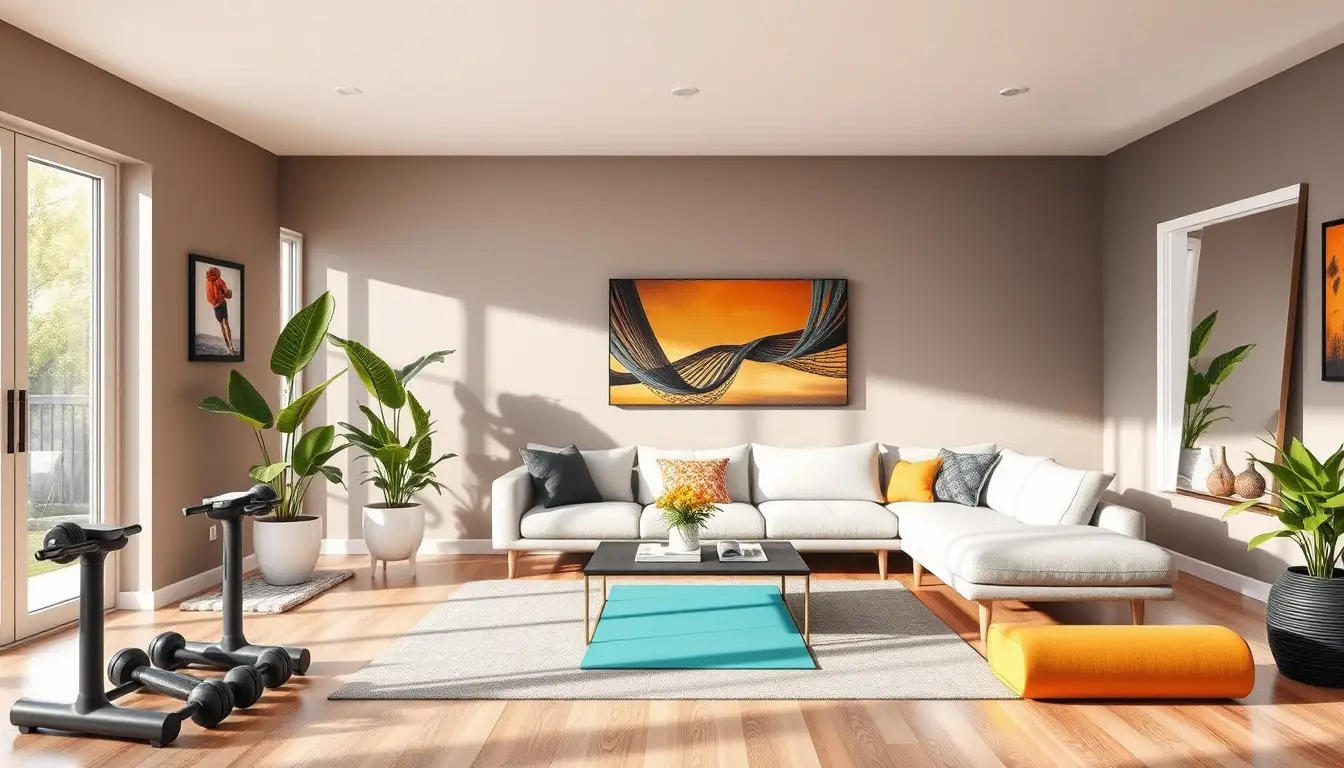
Imagine transforming your living room into a dedicated space for workouts, allowing you to exercise whenever your schedule permits.

This guide will walk you through the benefits of fitness at home, the essential equipment needed for your home gym, how to create an inviting and functional environment, and tips for designing an effective home workout routine.

Whether you’re a fitness novice or a seasoned athlete, incorporating fitness into your daily life at home is simpler than you think.

Pop by Uncle John’s Emporium for some original designs and gift ideas.

Transform Your Living Room into a Home Gym: The Ultimate Guide to Fitness at Home

Key Takeaways

  • Fitness at home offers convenience and flexibility for all lifestyles.
  • Investing in essential equipment can enhance your workout experience.
  • Creating a motivating space is key to maintaining workout consistency.
  • A functional home gym should reflect your personal style and fitness goals.
  • Designing a tailored workout routine maximizes effectiveness and keeps you engaged.

Understanding the Benefits of Fitness at Home

In recent years, the concept of fitness at home has gained significant traction, offering individuals a convenient and cost-effective alternative to traditional gym workouts.

The benefits of fitness at home extend far beyond mere comfort; they include enhanced flexibility, time savings, and the ability to customize your workout environment.

For one, working out at home allows you to fit exercise conveniently into your daily schedule without the commute to a gym, which can often be a barrier to consistency.

Moreover, with countless online resources and fitness apps available, you can easily access a variety of workout routines, from strength training to yoga, tailored to your specific goals and fitness level.

Additionally, fitness at home fosters a sense of privacy, enabling you to focus on your health without the intimidation that some experience in crowded gym settings.

This personal space not only encourages a more enjoyable workout but also helps in maintaining motivation and accountability.

As you explore the myriad ways to incorporate fitness into your daily routine at home, you’ll discover that achieving your fitness goals is not just possible—it’s practically at your fingertips.

Essential Equipment for Your Home Gym

When it comes to achieving your fitness goals, setting up a home gym can be a game changer, especially for those who prefer fitness at home.

Investing in essential equipment is crucial to create an effective workout space that caters to your specific fitness needs.

Start with the basics: a quality yoga mat for floor exercises, resistance bands for strength training, and a set of dumbbells that can easily fit into your routine.

If you’re looking for cardio options, consider a foldable treadmill or an exercise bike that saves space and promotes heart health.

Adding a stability ball can enhance core strength training, while a foam roller aids in recovery after intense workouts.

Personalizing your space with mirrors can help in maintaining proper form, making your home gym both functional and motivating.

By carefully selecting the right equipment, you can ensure that your home gym meets your fitness needs, making ‘fitness at home’ an enjoyable and effective way to stay active.

‘The secret of getting ahead is getting started.’ – Mark Twain

Pop by Uncle John’s Emporium for some original designs and gift ideas.

Creating a Motivating and Functional Space

Creating a Motivating and Functional Space

Creating a motivating and functional space for fitness at home is essential for anyone looking to maintain an active lifestyle.

A well-designed home gym can serve as a constant reminder to prioritize health and wellness, making it easier to stay committed to fitness goals.

Begin by identifying a dedicated area in your home that can accommodate your workout routine—this can be as simple as a corner of your living room or a spare bedroom.

To enhance the environment, ensure that the space has good lighting, as bright spaces can uplift your mood and increase energy levels.

Incorporate motivational quotes or artwork to inspire you during challenging workouts.

Select fitness equipment that fits your style and goals, whether it be yoga mats, weights, or cardio machines, and arrange them in a way that promotes movement and accessibility.

Lastly, keep your space organized and clutter-free; a tidy environment not only looks good but also encourages a regular workout habit.

By investing time and effort into crafting an inspiring fitness at home atmosphere, you can turn your health journey into an enjoyable and achievable endeavor.

Designing an Effective Home Workout Routine

Designing an effective home workout routine can be a game-changer for those looking to embrace fitness at home.

The flexibility and convenience of working out in your living space allow for personalized workouts that fit around your schedule.

To begin, assess your available equipment—whether it’s resistance bands, dumbbells, or simply your body weight.

Incorporate a mix of strength training, cardiovascular exercises, and flexibility routines to create a balanced program.

Aim for at least 150 minutes of moderate aerobic activity each week, combined with muscle-strengthening exercises on two or more days.

Additionally, make sure to carve out a specific area in your home that can become your workout sanctuary, free from distractions.

Consistency is key, so schedule your workouts just as you would any other appointment.

With careful planning, your fitness journey at home can not only be effective but also enjoyable.

[color=rgb(110, 109, 109)][highlight=rgb(247, 247, 247)]Note: This post was created using AI-assisted research and written in my own words. I don’t claim personal experience unless stated. Learn How [/highlight][/color][color=rgb(59, 59, 59)][highlight=rgb(247, 247, 247)]Things Work Around Here[/highlight][/color]