The Ultimate Guide to Fly Fishing Lures: Tips, Tricks, and Techniques for 2025

The Ultimate Guide to Fly Fishing Lures: Tips, Tricks, and Techniques for 2025


.separator {
border: none;
border-top: 2px solid black; /* Adjust thickness and color */
width: 50%; /* Set the width you want */
margin: 20px auto; /* Center the line and add spacing */
}

The Ultimate Guide to Fly Fishing Lures: Tips, Tricks, and Techniques for 2025

Discover the best fly fishing lures techniques and tips for 2025. Learn practical advice to enhance your fishing experience.

Did you know that the right fly fishing lure can increase your catch rate by over 50%? Whether you’re a seasoned angler or a beginner, this guide has everything you need to succeed in 2025.


Best Fly Fishing Lures for 2025

The fly fishing world is always evolving, and 2025 is shaping up to be an exciting year for anglers. Whether you’re a seasoned pro or just getting started, having the right lures in your tackle box can make all the difference. Let’s dive into the top fly fishing lures that are expected to dominate the waters this year.

1. High-Tech Synthetic Flies

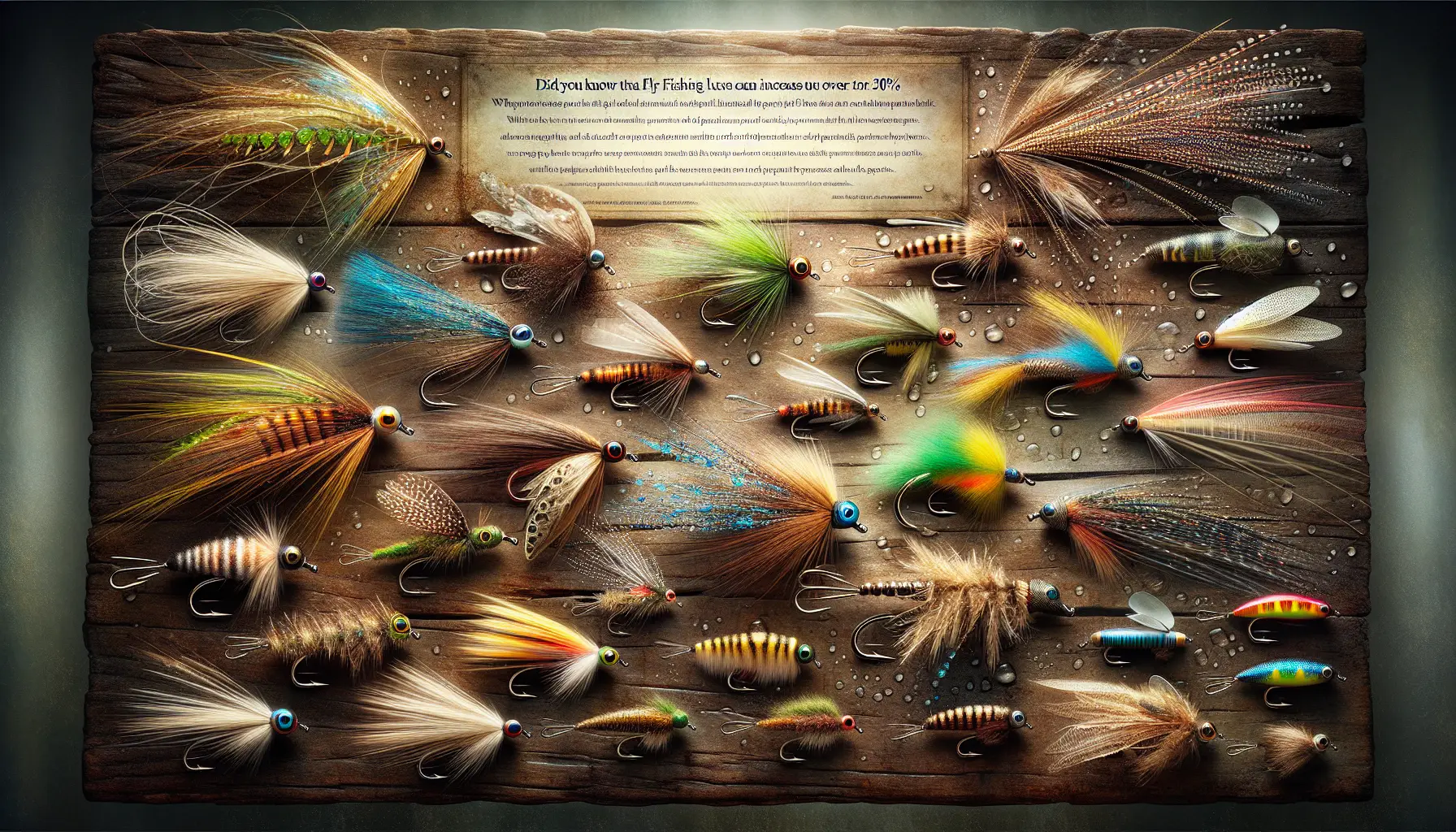
Traditional flies have always been a staple, but advancements in materials are bringing synthetic flies to the forefront. Companies are now using cutting-edge polymers and UV-reflective coatings to make lures more lifelike and durable. Some of the best synthetic flies for 2025 include:

  • UV-Enhanced Nymph Patterns – These flies glow subtly underwater, mimicking the natural shimmer of insects.
  • Silicone-Based Dry Flies – They float longer and resist water absorption, making them perfect for extended sessions.
  • Soft Plastic Streamers – These move more naturally in the water, attracting even the most cautious trout.

If you haven’t tried synthetic flies yet, this might be the year to give them a shot. They’re more resilient than traditional materials and can withstand multiple catches before needing replacement. More info…..

2. Realistic Imitative Patterns

Fish are getting smarter—at least, that’s what it feels like when they ignore your perfectly placed cast. To stay ahead, anglers are turning to hyper-realistic lures that closely mimic natural prey. Some standout patterns for 2025 include:

  • 3D-Printed Mayflies – These flies feature intricate wing details and lifelike body segments.
  • Tungsten-Weighted Caddis Nymphs – Perfect for getting deep quickly in fast-moving water.
  • Articulated Baitfish Streamers – These lures have jointed bodies that create an incredibly realistic swimming motion.

If you’re targeting wary fish in heavily fished waters, switching to these ultra-realistic patterns can make all the difference.

3. Eco-Friendly Fly Fishing Lures

Sustainability is becoming a major focus in fly fishing, and manufacturers are stepping up with biodegradable and environmentally friendly materials. Some of the most promising eco-friendly lures include:

  • Bamboo Fiber Dry Flies – These decompose naturally over time, reducing waste.
  • Recycled Feather Streamers – Made from ethically sourced or repurposed feathers.
  • Water-Soluble Soft Plastics – These break down harmlessly if lost in the water.

With conservation efforts gaining momentum, using eco-friendly lures is a great way to reduce your environmental impact while still landing big catches.

4. Smart Lures with Embedded Tech

Technology is creeping into every aspect of fishing, and now even lures are getting a high-tech makeover. Some of the most innovative smart lures for 2025 include:

  • Microchip-Embedded Flies – These emit subtle vibrations to mimic real insect movements.
  • Temperature-Sensitive Color-Changing Lures – Adjust their appearance based on water temperature.
  • Bluetooth-Connected Strike Indicators – Send alerts to your phone when a fish strikes.

While purists might scoff at these futuristic lures, there’s no denying their potential to increase catch rates. If you love experimenting with new gear, these smart lures are worth checking out.

5. Best Lures for Specific Fish Species

Different fish respond to different lures, and knowing which ones work best for your target species can save you a lot of frustration. Here are some top picks for 2025:

  • Trout: UV-coated mayfly patterns and tungsten beadhead nymphs.
  • Bass: Articulated baitfish streamers and high-contrast poppers.
  • Salmon: Large profile synthetic flies with strong UV reflectivity.
  • Panfish: Small foam-bodied terrestrials and micro-nymphs.

Matching your lure selection to the fish you’re after can dramatically improve your results on the water.

6. Pro Tips for Choosing the Right Lure

Even with the best lures at your disposal, success depends on how you use them. Here are a few quick tips:

  • Match the Hatch: Pay attention to what insects or baitfish are present and use a similar pattern.
  • Consider Water Conditions: Use brighter patterns in murky water and more subdued colors in clear water.
  • Experiment with Retrieval Speeds: Sometimes a slower or more erratic retrieve can trigger reluctant fish.
  • Stay Adaptable: If one lure isn’t working, don’t hesitate to switch things up.

Fly fishing is all about experimenting and refining your technique. The best anglers are the ones who stay flexible and keep learning from every outing.

With these top lures and tips in mind, you’ll be well-equipped for an amazing fly fishing season in 2025. Tight lines!


Fly fishing lures are more than just tools—they’re your ticket to an unforgettable fishing experience. Apply these tips, stay consistent, and see the results for yourself in 2025!

Brain Training for Dogs

Brain Training for Dogs

Unlock Your Dog’s Potential with Proven, Science-Based Training 🐾


Is Your Dog Misbehaving?

Let’s face it—dogs can be a handful. Barking at the postie, chewing your favourite shoes, or ignoring you completely when you call them? Sound familiar? You’re not alone. But here’s the good news: your dog isn’t being naughty on purpose. They just need the right training to channel their energy and intelligence.

That’s where Brain Training for Dogs comes in.


What is Brain Training for Dogs?

Brain Training for Dogs is an online dog training course designed to help you transform your dog’s behavior using positive reinforcement and science-based methods. Created by a professional dog trainer with years of experience, this course is perfect for dogs of all ages, breeds, and temperaments.

Whether you’re dealing with a mischievous puppy, a stubborn adult dog, or a senior pup who’s set in their ways, this course has you covered.


Why Choose Brain Training for Dogs?

✅ Proven Results: Thousands of happy dogs (and owners) have seen incredible transformations.
✅ Easy-to-Follow Lessons: Step-by-step training modules that even beginners can follow.
✅ Positive Reinforcement: No yelling, no punishment—just effective, kind training methods.
✅ Lifetime Access: Train at your own pace, anytime, anywhere.
✅ Bonus Resources: Troubleshooting guides, fun tricks, and mental stimulation games included.


What You’ll Learn

  • Basic Commands: Sit, stay, come, and more.
  • Behavior Fixes: Stop barking, chewing, jumping, and pulling on the leash.
  • Advanced Training: Teach fun tricks and improve focus.
  • Mental Stimulation: Keep your dog’s brain sharp and engaged.

Here’s What Others Are Saying

🌟 “I was at my wit’s end with my dog’s barking. After just a few weeks of Brain Training for Dogs, he’s like a different dog! I can’t recommend this course enough.” – Sarah, proud dog mum

🌟 “The step-by-step lessons made training so easy. My dog loves the mental games, and I love how well-behaved he is now!” – Tom, happy customer


Get Started Today!

Ready to transform your dog’s behavior and strengthen your bond? Enroll in Brain Training for Dogs today and see the difference for yourself.

👉 Click Here to Join Now!


Free Bonus: Download Our Exclusive Guide!

Not quite ready to commit? No worries! We’ve got a FREE digital download to get you started. It’s packed with tips, tricks, and training exercises to help you and your dog get on the right track.

👉 Click Here to Get Your Free Guide!


Frequently Asked Questions

Q: Is this course suitable for all dog breeds?
A: Absolutely! Whether you’ve got a tiny Chihuahua or a giant Great Dane, the methods in this course work for all breeds.

Q: How long does it take to see results?
A: Many dog owners see improvements within the first week, but every dog is different. Consistency is key!

Q: Can I access the course on my phone?
A: Yes! The course is fully mobile-friendly, so you can train your dog anytime, anywhere.


Don’t Wait—Your Dog Deserves the Best!

A well-trained dog isn’t just a joy to be around—they’re happier, healthier, and more confident too. With Brain Training for Dogs, you’ll have everything you need to unlock your dog’s potential and build a stronger bond.

👉 Enrol Now and Start Training Today!


Still on the Fence?

No problem! Grab our FREE guide and see how easy it is to start training your dog today.

👉 Click Here to Get Your Free Guide!

The Ultimate Guide to [Brain Training for Dogs]: Tips, Tricks, and Techniques for 2025

The Ultimate Guide to [Brain Training for Dogs]: Tips, Tricks, and Techniques for 2025


.separator {
border: none;
border-top: 2px solid black; /* Adjust thickness and color */
width: 50%; /* Set the width you want */
margin: 20px auto; /* Center the line and add spacing */
}

The Ultimate Guide to [Brain Training for Dogs]: Tips, Tricks, and Techniques for 2025

Discover the best Brain Training for Dogs techniques and tips for 2025. Learn practical advice to enhance your dog’s learning and behaviour.

Did you know that dogs who undergo consistent brain training show a 60% improvement in obedience and behavior? Whether you’re looking to refine your dog’s skills or tackle new challenges, this guide has everything you need to succeed in 2025.


Focus on Positive Reinforcement

When it comes to brain training for dogs, the cornerstone of success is positive reinforcement. Honestly, this technique has been a game-changer for many dog owners. Instead of focusing on what your dog is doing wrong, you zero in on what they’re doing right. For example, when your dog sits on command or stops barking when asked, you immediately reward them with a treat, praise, or even a quick play session. It’s all about creating a connection in their brain: “Good behavior = good things.”

I remember when I first tried this with my own pup. She was a nightmare on walks—pulling, lunging at squirrels, the works. But once I started using a treat pouch and rewarding her calm walking, she turned into a completely different dog. It wasn’t overnight, but the results were worth the effort.

Keep Training Sessions Short and Fun

Dogs have short attention spans—just like us when we’re scrolling through social media, right? That’s why training sessions need to be short and engaging. A good rule of thumb is to keep sessions between 5 to 10 minutes. Any longer, and your dog might lose interest or get frustrated, which can lead to setbacks.

For example, if you’re working on teaching your dog a new trick like “spin,” break the process into tiny steps. Reward them for even the smallest progress, like just turning their head initially. And always end on a high note—if your dog nails a command, finish the session there and celebrate with a belly rub or some playtime.

I learned this the hard way when I tried to teach my dog “roll over” in one go. She ended up lying there looking confused, and I felt like a failure. Breaking it into smaller pieces the next day made all the difference.

Use Puzzle Toys to Stimulate Their Brain

Puzzle toys are like the Sudoku of the dog world—they’re perfect for keeping your pup’s brain sharp. These toys challenge your dog to figure out how to get to a hidden treat, which taps into their natural problem-solving skills. Plus, they’re super helpful for when you’re busy and need to keep your dog entertained.

One of my favorites is the classic Kong filled with peanut butter and a few pieces of kibble. It’s simple, effective, and keeps my dog occupied for a good 20 minutes. There are also more advanced options, like sliding puzzles or treat-dispensing balls, for dogs who love a challenge.

Just be sure to supervise the first few times your dog uses a new puzzle toy. Some dogs get frustrated and might try to chew their way to the prize (trust me, I’ve learned this the hard way).

Incorporate Clicker Training

Clicker training is another fantastic tool for brain training. It’s all about marking the exact moment your dog does something right with a distinctive “click” sound, followed by a reward. Think of it as taking a mental snapshot of good behavior for your dog.

I was skeptical about clicker training at first, but once I tried it, I was hooked. My dog caught on so quickly—it’s like the click made everything crystal clear for her. One of the first things we worked on was “leave it.” Every time she backed away from a forbidden snack on the floor, I clicked and rewarded her. Within days, she had it down.

Pro tip: Be consistent with your clicks. The sound should always mean, “Yes, that’s exactly what I wanted!”

Rotate Training Exercises to Avoid Boredom

Dogs thrive on variety, so don’t get stuck in a rut with the same old commands. Rotating training exercises keeps things fresh and prevents your dog from losing interest. For instance, you might work on obedience one day (like “sit” and “stay”) and switch to fun tricks the next (like “paw” or “play dead”).

One week, I decided to mix things up by teaching my dog to fetch specific toys by name. It was challenging at first, but it turned into one of her favorite games. Now, when I say “Get your ball,” she knows exactly what to do.

If you’re running out of ideas, there are tons of resources online, from YouTube tutorials to dog training apps. Trust me, your dog will love the variety, and you’ll have a blast teaching them.

Be Patient and Consistent

Above all, patience and consistency are key. Training your dog’s brain isn’t an overnight process—it takes time, repetition, and a whole lot of treats. There will be days when your dog seems to forget everything you’ve taught them, and that’s okay. Just take a deep breath, reset, and try again later.

I can’t tell you how many times I’ve wanted to throw in the towel, especially when my dog went through her teenage phase (yes, that’s a thing). But sticking with it paid off in ways I couldn’t have imagined. Now, not only is she well-behaved, but our bond is stronger than ever.

So, grab that treat pouch, load up on patience, and get ready to watch your dog’s brain—and your relationship—grow.


Brain Training for Dogs is more than just an activity—it’s an opportunity to enhance your dog’s intelligence and behavior. Apply these tips, stay consistent, and see the results for yourself in 2025!

Free Dog Training eBook

🐶 Free Dog Training Guide 📖

Learn simple techniques to train your large dog with ease! Download your free guide now.

📥 Download Now
The Ultimate Guide to Fly Fishing the Basics: Tips, Tricks, and Techniques for 2025

The Ultimate Guide to Fly Fishing the Basics: Tips, Tricks, and Techniques for 2025


The Ultimate Guide to Fly Fishing the Basics: Tips, Tricks, and Techniques for 2025

Discover the best fly fishing the basics techniques and tips for 2025. Learn practical advice to master your fly fishing skills.

“Did you know that fly fishing dates back to the 2nd century in Macedonia? Whether you’re a seasoned angler or a curious beginner, this guide has everything you need to succeed in 2025.”


Top Fly Fishing Basics Tips for 2025

Understanding the Gear You Need

Let’s start with the essentials: your gear. If you’re new to fly fishing, the sheer variety of rods, reels, and lines can feel overwhelming. Trust me, I’ve been there—standing in a gear shop, eyes glazing over as someone rattled off specs that sounded more like an advanced physics lecture than a hobby. Here’s the thing: for beginners, you don’t need the fanciest equipment. A solid 5-weight rod and reel combo is versatile enough for most freshwater conditions. Pair that with a floating line and you’re good to go.

One mistake I made early on was investing in gear that was way too advanced for my skill level. I thought a fast-action rod was the way to go because, well, it sounded cool. Turns out, it’s harder to handle if you’re still mastering your casting technique. So, stick with a medium-action rod—it’s forgiving and makes learning the basics so much easier.

Mastering the Art of Casting

Casting is the heart of fly fishing. I’ll be honest: my first attempts were laughable. Picture a spaghetti noodle flopping around in the air—that was basically my line. But here’s the secret: it’s all about timing and rhythm. Start with short casts. Focus on getting your line to unfurl smoothly, like you’re gently laying it on the water.

One tip that changed the game for me was practicing without a hook. I’d head to a park or even my backyard and just work on my form without worrying about snagging anything (or anyone). Once I got the hang of it, I moved to the water. And remember, the goal isn’t to cast as far as possible; it’s to place your fly where the fish are likely to be. Quality over quantity, always.

Choosing the Right Flies

If you’ve ever stared at a wall of flies in a tackle shop, you know how overwhelming it can be. Dry flies, nymphs, streamers—it’s like learning a new language. A pro tip? Start with the basics and match your flies to the local hatch. In other words, use flies that mimic what the fish are already eating.

I’ll never forget the first time I actually caught something using a fly I’d tied myself. It was a scrappy little rainbow trout, but the thrill was unmatched. If you’re up for it, learning to tie your own flies can be both rewarding and cost-effective. But for beginners, a basic assortment of store-bought flies should cover most situations.

Reading the Water

Understanding where fish hang out is just as important as your casting or fly selection. I used to think you could just cast anywhere and hope for the best. Spoiler alert: that’s not how it works. Fish tend to congregate in certain spots—like pools, riffles, and runs—where they can find food and shelter.

One habit that’s served me well is taking a few minutes to watch the water before casting. Look for signs of fish activity, like ripples or rises. Pay attention to current patterns and areas where fast water meets slow water—that’s often where fish like to hang out.

Patience Is Key

Fly fishing isn’t about instant gratification, and honestly, that’s part of its charm. There were days when I didn’t catch anything but still walked away feeling refreshed and accomplished. The trick is to enjoy the process. Learn from your mistakes, celebrate small victories, and remember that even seasoned anglers have off days.

If there’s one piece of advice I wish I’d heard earlier, it’s this: don’t get too caught up in the numbers. It’s not about how many fish you catch; it’s about the experience, the connection to nature, and the stories you’ll have to tell. So, take your time, breathe in the fresh air, and let the water teach you its lessons.


Fly fishing the basics is more than just an activity—it’s an opportunity to connect with nature and improve your angling skills. Apply these tips, stay consistent, and see the results for yourself in 2025!