
by Uncle John | Feb 23, 2025 | Solar Power
DIY Solar Power: Is It Really Worth It?
Ah, the sun. That great fiery orb in the sky tirelessly beams down enough energy in an hour. It can power the world for a year. It’s almost rude not to take advantage of it, don’t you think? Here’s a question for you. Can an ordinary homeowner with a ladder, a toolbox, and a dream really harness that power? And more importantly, is it worth the effort? Let’s embark on a journey through the world of DIY solar power. This journey is filled with numbers, real-world examples, and a dash of wit. By the end, you’ll know if a Backyard Revolution-style system is truly the golden ticket to energy independence. Or is it just a shiny distraction?
🔋 1. Cost vs. Savings
How much does it really cost to go solar?
Let’s start with the cold, hard cash. A professionally installed solar system can cost anywhere from 15,000 to 25,000. This depends on the size of your home and energy needs. But a DIY system? That’s a different story. With a DIY home solar system setup, you’re looking at a much more palatable $2,000 to $5,000. That’s because you’re cutting out the middleman (and their labor costs) and doing the work yourself.
Real-World Example:
Imagine you’re an average U.S. household, using about 877 kWh (kilowatt-hours) of electricity per month. A DIY solar system might cost you $5,000 up front. Compare that to a professional system, which could cost up to $20,000. Even with tax credits and incentives, the DIY route is far kinder to your wallet.
How much can you save on electricity bills?
Now, let’s talk savings. The average U.S. electricity rate is about $0.16 per kWh. If your DIY system generates, say, 500 kWh per month (enough to cover a good chunk of your usage), you’re saving:
Formula:
Monthly Savings = Energy Generated (kWh) × Electricity Rate (/kWh) / Monthly Savings=500 kWh×/kWh) Monthly Savings=500 kWh × 0.16 / kWh = $80
Over a year, that’s $960 in savings. Not too shabby for a system that cost you $2,000.
How long does it take to break even on a solar investment?
This is where the magic of math comes in. To find out how long it’ll take to recoup your investment, use this formula:
Formula:
Payback Period (years) = Total System Cost ÷ Annual Savings
Payback Period = 2,000÷2,000÷960 ≈ 2.1 years
In just over two years, your system has paid for itself. After that, it’s pure profit. Compare that to a professional system, which might take 7 to 10 years to break even, and you can see why DIY is so appealing.
🔋 2. DIY vs. Hiring a Pro
Can you install solar panels yourself?
The short answer: yes. The long answer: yes. It requires a bit of elbow grease. You also need a dash of common sense. Additionally, you must have a willingness to follow instructions. Solar panels aren’t rocket science. However, you’ll need to do some basic wiring. You’ll also need to mount the panels securely. Make sure everything is up to code.
Common mistakes DIYers make (and how to avoid them)
- Improper Panel Placement:
Panels need sunlight. Shocking, I know. But placing them in the shade or at the wrong angle can drastically reduce efficiency.
Solution: Aim for a south-facing roof (in the Northern Hemisphere) with a tilt angle equal to your latitude.
- Skipping Permits:
Yes, permits are boring. But getting caught without one can lead to fines or even having to dismantle your system.
Solution: Check local regulations and get the necessary paperwork.
How the Backyard Revolution system makes DIY solar easier
The Backyard Revolution system is like having a friendly solar guru holding your hand through the process. It provides step-by-step instructions, a list of affordable materials, and tips for maximizing efficiency. It’s designed for ordinary folks. They don’t need a degree in electrical engineering but still want to take control of their energy future.
Does a small backyard system generate enough power?
Absolutely. A well-designed DIY system can generate enough power to cover a significant portion of your energy needs. For instance, a 2 kW system is on the smaller side. It can produce about 200-300 kWh per month. The production depends on your location and sunlight exposure.
Real-World Example:
If your system generates 250 kWh per month and you’re paying 0.16 per kWh, that’s 0.16 per kWh, that’ $40 in savings every month. Over a year, that’s 480. Not bad for a system that cost you $2,000.
How to maximize solar energy output
- Optimal Placement:
As mentioned earlier, south-facing panels with the right tilt angle are key.
- Regular Maintenance:
Dust, dirt, and bird droppings can reduce efficiency. Clean your panels every few months.
- Use a Solar Battery:
Storing excess energy for cloudy days or night time use can significantly boost your system’s effectiveness.
What happens on cloudy days or in winter?
Solar panels don’t just stop working when the sun plays hide-and-seek. They still generate power, albeit at a reduced rate—typically 10-25% of their maximum output. In winter, shorter days and snow cover can further reduce efficiency. With a well-designed system and a backup battery, you’ll still have power when you need it.
Formula:
Reduced Output = Maximum Output × Efficiency Reduction (%)
Reduced Output = 250 kWh × 0.25 = 62.5 kWh
Even on a cloudy day, you’re still generating some power.
🔗 Why a Backyard Revolution-Style System is a Smart Investment
Let’s be honest: the world of solar power can feel overwhelming. A DIY system like Backyard Revolution simplifies the process. It becomes accessible to anyone with a bit of determination and a willingness to learn. The upfront costs are lower. Homeowners experience significant savings on electricity bills. Plus, there is the satisfaction of building something yourself. It’s a no-brainer for homeowners looking to take control of their energy future.
Final Real-World Example:
Imagine you’re that average U.S. household again. You spend $2,000 on a DIY solar system. You save $960 a year on electricity. You break even in just over two years. After that, you’re essentially getting free power for the life of the system (which can be 25 years or more). That’s not just smart—it’s brilliant.
So, is DIY solar power worth it? For most homeowners, the answer is a resounding yes. With the right system, you can enjoy the benefits of solar energy. A little effort means avoiding the high costs of professional installation. Ready to take the leap? Your backyard could be the key to a brighter, more sustainable future.
by Uncle John | Feb 17, 2025 | Freshwater Fishing
🚤 Introduction
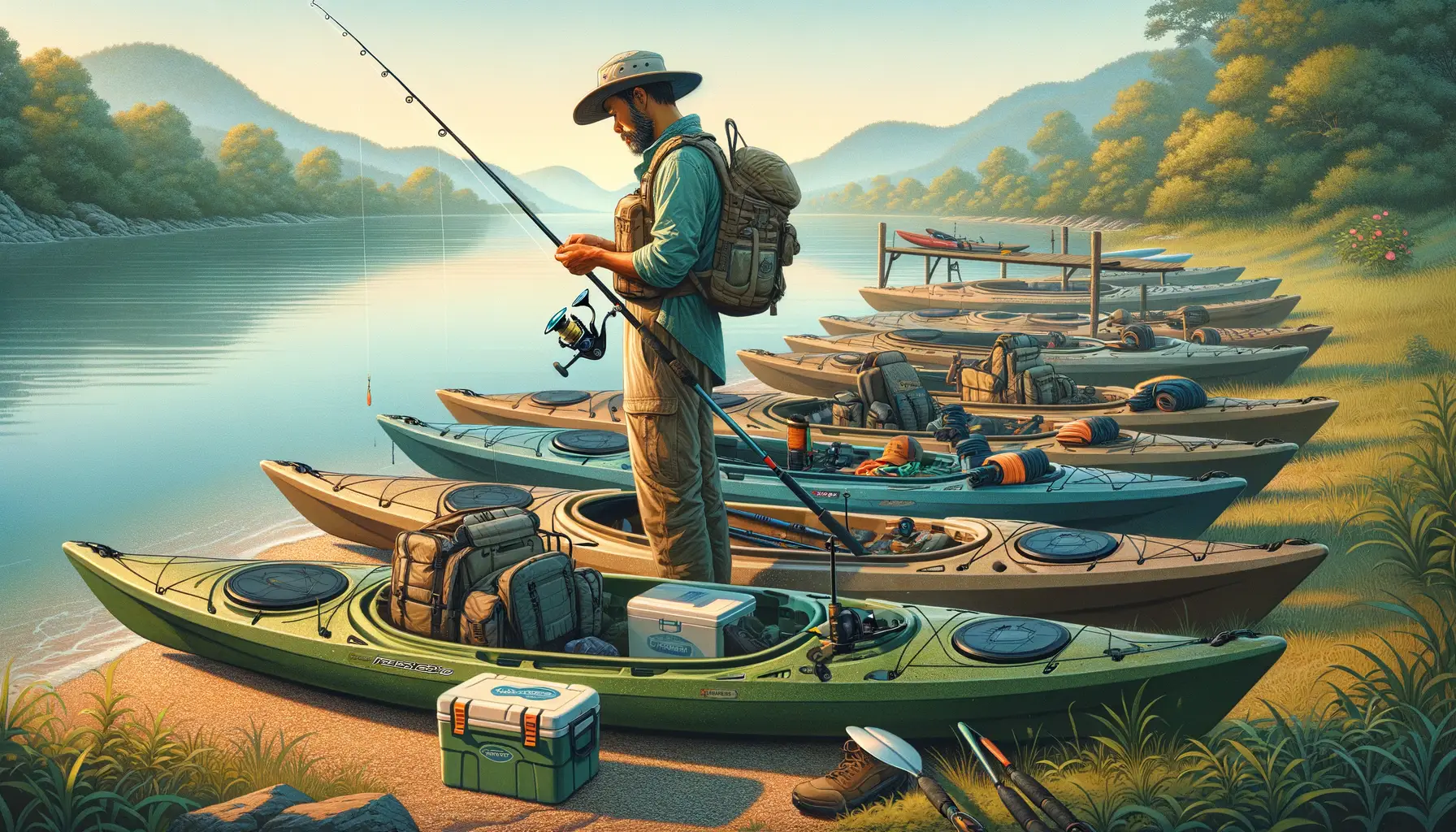
Looking for the perfect fishing kayak for your next adventure? We’ve rounded up the top 5 fishing kayaks on Amazon, each selected for quality, durability, and value. Whether you’re a beginner or a seasoned angler, these kayaks are perfect for your next trip.
✅ Features:
- Lightweight and easy to carry
- Built-in rod holders
- Multi-layered polyethylene for durability
- Adjustable seat with extra back support
💰 Price: [Check on Amazon]
🔗 Buy on Amazon:
✅ Features:
- Super-tough laminated PVC construction
- Adjustable seats and footrests
- 2 integrated fishing rod holders
- Includes high-output pump for easy inflation
💰 Price: [Check on Amazon]
🔗 Buy on Amazon:
✅ Features:
- UV-protected high-density polyethylene
- Stable flat bottom
- Two 6″ storage compartments
- Adjustable padded seat and backrest
💰 Price: [Check on Amazon]
🔗 Buy on Amazon:
✅ Features:
- Superior stability for casting
- Comfortable lawn-chair style seat
- Large storage areas for tackle boxes
- Built for lakes, rivers, and calm coastal waters
💰 Price: [Check on Amazon]
🔗 Buy on Amazon:
✅ Features:
- Ultra-stable double hull
- Universal transducer mount for fish finders
- Non-slip EVA foam deck pads
- Extra-large tank well for gear
💰 Price: [Check on Amazon]
🔗 Buy on Amazon: [Insert Amazon Affiliate Link]
💡 How to Choose the Best Fishing Kayak:
🚀 Ready to Reel in Your Next Catch?
These kayaks are all available on Amazon with fast shipping, so you can hit the water sooner. Click through our links to shop now and enjoy your next fishing adventure!
I may earn a small commission when you click on a link and make a purchase, at no additional cost to you. See Amazon Disclosures

by Uncle John | Feb 6, 2025 | Freshwater Fishing
The Ultimate Guide to Fly Fishing in Scotland UK: Tips, Tricks, and Techniques for 2025
Discover the best Fly Fishing in Scotland UK techniques and tips for 2025. Learn practical advice to enhance your angling experience.
Did you know the River Spey in Scotland is renowned for its Atlantic salmon fly fishing? Whether you’re aiming to catch your first salmon or refine your casting technique, this guide has everything you need to succeed in 2025.
Best Fly Fishing Spots in Scotland for 2025
Scotland is a dream destination for fly fishers, offering some of the most breathtaking landscapes and abundant fishing opportunities in the UK. Whether you’re after wild brown trout, Atlantic salmon, or grayling, the country has plenty of rivers and lochs to explore.
River Spey
The River Spey is legendary among fly fishers, particularly for its world-class salmon fishing. Known for its fast-flowing waters and iconic Spey casting technique, this river attracts anglers from around the world. If you’re new to the area, hiring a local ghillie (guide) can be a game-changer, helping you navigate the best beats and improve your chances of success.
River Tay
As Scotland’s longest river, the Tay is famous for producing some of the largest salmon in the UK. Spring and autumn tend to be the best seasons here, with fresh runs of salmon making their way upstream. The lower Tay, in particular, is known for its deep pools and strong currents, making it the perfect challenge for experienced anglers.
Loch Leven
If you’re after wild brown trout, Loch Leven is a must-visit. This historic loch has been fished for centuries and continues to produce high-quality trout. The best time to visit is late spring to early summer, when the hatches are at their peak. Using traditional wet flies like the Loch Leven Spider can be highly effective.
Essential Gear for Fly Fishing in Scotland
Scotland’s weather can be unpredictable, so being well-prepared with the right gear is crucial.
Fly Rod and Reel
For salmon fishing, a 13-15 foot double-handed Spey rod is ideal, especially on larger rivers like the Spey and Tay. If you’re targeting trout or grayling, a 9-10 foot rod in a 5 or 6 weight will serve you well.
Waders and Clothing
Investing in high-quality breathable waders is essential, as you’ll likely be spending long hours in the water. Layering is also key—Scotland’s weather can change rapidly, so a waterproof jacket and thermal layers will keep you comfortable.
Flies and Tackle
Scottish rivers and lochs require a mix of traditional and modern fly patterns. For salmon, classic flies like the Willie Gunn and Cascade work well. If you’re targeting trout, patterns such as the Greenwell’s Glory, Black Pennell, and Sedgehog are excellent choices.
Best Time to Fly Fish in Scotland
Timing your trip can make all the difference.
Spring (March – May)
Spring marks the start of the salmon season on many rivers, with fresh fish entering the system. Trout fishing is also excellent, especially in lochs where insect hatches begin in earnest.
Summer (June – August)
While daytime fishing can be challenging due to bright conditions, early mornings and late evenings are prime times. This is a great season for dry fly fishing for trout, particularly on lochs.
Autumn (September – November)
Autumn is peak time for salmon fishing, as mature fish return to spawn. Many rivers are at their most productive during this period, making it a favorite for serious anglers.
Regulations and Permits
Fishing in Scotland requires the right permits and adherence to local regulations.
Fishing Permits
Unlike in England, there is no national fishing license in Scotland. However, you must obtain permits for specific rivers and lochs. These can be arranged through local angling clubs, estate owners, or online booking platforms like FishPal.
Catch and Release
Many Scottish rivers enforce strict catch-and-release policies, particularly for salmon. Always check local guidelines to ensure compliance.
Local Etiquette
Respect for the environment and other anglers is key. Always follow “leave no trace” principles and be mindful of others fishing nearby.
Guided Fly Fishing Trips
If you’re new to Scotland or simply want to improve your chances of landing a trophy fish, hiring a guide can be invaluable.
Benefits of a Guide
A good guide knows the waters intimately, from the best fishing spots to the most effective flies and techniques. They can also provide casting instruction and insights into reading the water.
Recommended Guides
Some well-regarded guiding services include:
- Spey Casting Scotland – Specializing in Spey casting tuition and guided salmon fishing.
- River Tay Guides – Offering tailored experiences on Scotland’s most famous salmon river.
- Highland Fishing Adventures – A great choice for those looking to explore remote lochs and rivers.
Final Tips for a Successful Trip
- Check the weather forecast – Scotland’s conditions change quickly, so be prepared.
- Book permits in advance – Popular beats can be reserved months ahead.
- Respect local customs – Follow regulations and ethical fishing practices.
- Enjoy the experience – Fly fishing in Scotland is as much about the journey as the catch.
Scotland’s fly fishing scene in 2025 promises to be as rich and rewarding as ever. Whether you’re an experienced angler or a beginner looking for an unforgettable adventure, the country’s rivers and lochs offer something for everyone.
Fly Fishing in
Scotland UK is more than just an activity—it’s an opportunity to connect with nature and experience the thrill of the catch. Apply these tips, stay consistent, and see the results for yourself in 2025!
by Uncle John | Feb 6, 2025 | Freshwater Fishing
.separator {
border: none;
border-top: 2px solid black; /* Adjust thickness and color */
width: 50%; /* Set the width you want */
margin: 20px auto; /* Center the line and add spacing */
}
The Ultimate Guide to Best Lures for Specific Fish Species: Tips, Tricks, and Techniques for 2025
Discover the best techniques and tips for selecting the best lures for specific fish species in 2025. Learn practical advice to enhance your fishing success.
“Did you know that using the right lure can increase your catch rate by over 50%? Whether you’re targeting bass, trout, or pike, this guide has everything you need to select the best lures for specific fish species in 2025.”
Best Lures for Bass in 2025
If you’re after bass in 2025, you’ll want to stay ahead of the game with the latest and most effective lures. Bass fishing is always evolving, and the right lure can make or break your day on the water.
One of the top picks this year is the soft plastic swimbait. With advancements in scent technology and lifelike designs, these lures have become irresistible to bass. Brands like Keitech and Z-Man have released models that mimic baitfish almost perfectly. Slow-rolling a swimbait along weed edges or through submerged structure has been a killer technique.
Another standout is the bladed jig (chatter bait). Bass anglers swear by these for their vibration and flash, which can trigger aggressive strikes even in tough conditions. Pair it with a soft plastic trailer for added movement. In 2025, we’re seeing even more durable skirts and improved blade designs that give off better action.
Finally, don’t overlook topwater frogs for explosive strikes in heavy cover. With improved hook designs and softer bodies, new models from companies like Booyah and Spro make for better hook-ups. If you love heart-racing topwater action, this is a must-have in your tackle box.
Best Lures for Walleye in 2025
Walleye anglers know that catching these finicky fish requires precision. The best lures for walleye in 2025 continue to lean towards realistic movement and scent-infused baits.
One of the top choices this year is the soft plastic minnow on a jig head. Brands like Berkley and Northland Tackle have rolled out ultra-realistic designs with added scent attractants. Slowly bouncing a jig off the bottom remains one of the most effective ways to trigger strikes.
Another must-have is the deep-diving crankbait. With advancements in lure technology, depth control has never been better. Look for models with precise weight distribution that allow them to get down and stay in the strike zone longer. Pair them with a trolling setup, and you’re in business.
For night fishing, glow-in-the-dark jerk baits have made a splash. Walleye are notorious for feeding after the sun goes down, and these lures make it easier for them to locate your bait. A slow, twitching retrieve works best, simulating an injured baitfish.
Best Lures for Trout in 2025
Trout fishing is all about matching the hatch, and in 2025, lure manufacturers have taken realism to the next level. Whether you’re fishing streams, rivers, or lakes, these lures should be in your tackle box.
The inline spinner remains one of the most reliable trout lures. Brands like Panther Martin and Mepps have introduced updated blade designs that provide better flash and vibration, making them even more effective in clear waters. A slow, steady retrieve through current-rich areas is key.
For those fishing deeper lakes, small jerkbaits have gained popularity. These lures mimic injured minnows, and with new ultra-light suspending models, you can keep them in the strike zone longer. A twitch-pause-twitch retrieve tends to drive trout crazy.
Finally, soft plastic worms have proven to be a game-changer. With scent-infused options from companies like Gulp! and PowerBait, trout are holding onto these lures longer, giving anglers more time to set the hook. Drift them naturally in rivers for the best results.
Best Lures for Pike in 2025
Pike are aggressive predators, which means you need lures that can handle their violent strikes. The best pike lures in 2025 focus on durability and lifelike action.
One of the top choices is the large jointed swimbait. These lures mimic wounded baitfish and have an erratic side-to-side action that pike can’t resist. With reinforced joints and stronger treble hooks, modern swimbaits are built to handle the punishment pike dish out.
Another must-have is the big spinner bait. These lures create a lot of flash and vibration, making them perfect for murky or stained waters. Look for models with heavy-duty wire frames to withstand multiple bites. Slow-rolling them near weed beds is a proven tactic.
Lastly, topwater prop baits are an exciting way to hook into monster pike. The splashing and churning action triggers reaction strikes, especially in shallow weedy bays. The newest models feature stronger prop blades and enhanced buoyancy, increasing their effectiveness.
Best Lures for Saltwater Fishing in 2025
Saltwater anglers targeting species like redfish, snook, and tarpon need lures that can withstand harsh conditions and aggressive fish.
One of the top picks for 2025 is the paddle-tail soft plastic on a jig head. These lures are versatile, working well in various water conditions. Look for models with extra-durable materials to resist wear from toothy predators.
For surface action, walking topwater lures like the Zara Spook remain a top choice. This year, lure makers have introduced improved weight distributions for easier walking-the-dog action, making them even deadlier in calm waters.
Finally, slow-pitch jigs have become a staple for offshore anglers. These jigs are designed to flutter enticingly through the water column, making them irresistible to species like grouper and snapper. With new holographic finishes, they reflect light better, increasing visibility in deep water.
Fishing in 2025 is all about staying ahead of the trends. With these lures in your arsenal, you’re setting yourself up for success no matter what species you’re after.
“Selecting the best lures for specific fish species is more than just an activity—it’s an opportunity to enhance your fishing experience. Apply these tips, stay consistent, and see the results for yourself in 2025!”
by Uncle John | Feb 5, 2025 | Freshwater Fishing
.separator {
border: none;
border-top: 2px solid black; /* Adjust thickness and color */
width: 50%; /* Set the width you want */
margin: 20px auto; /* Center the line and add spacing */
}
The Ultimate Guide to High-Tech Synthetic Flies: Tips, Tricks, and Techniques for 2025
Discover the best High-Tech Synthetic Flies techniques and tips for 2025. Learn practical advice to enhance your desired outcome for topic.
Did you know [interesting stat or fact related to High-Tech Synthetic Flies]? Whether you’re looking to [desired action/outcome], this guide has everything you need to succeed in 2025.
Cutting-Edge Materials for 2025’s Synthetic Flies
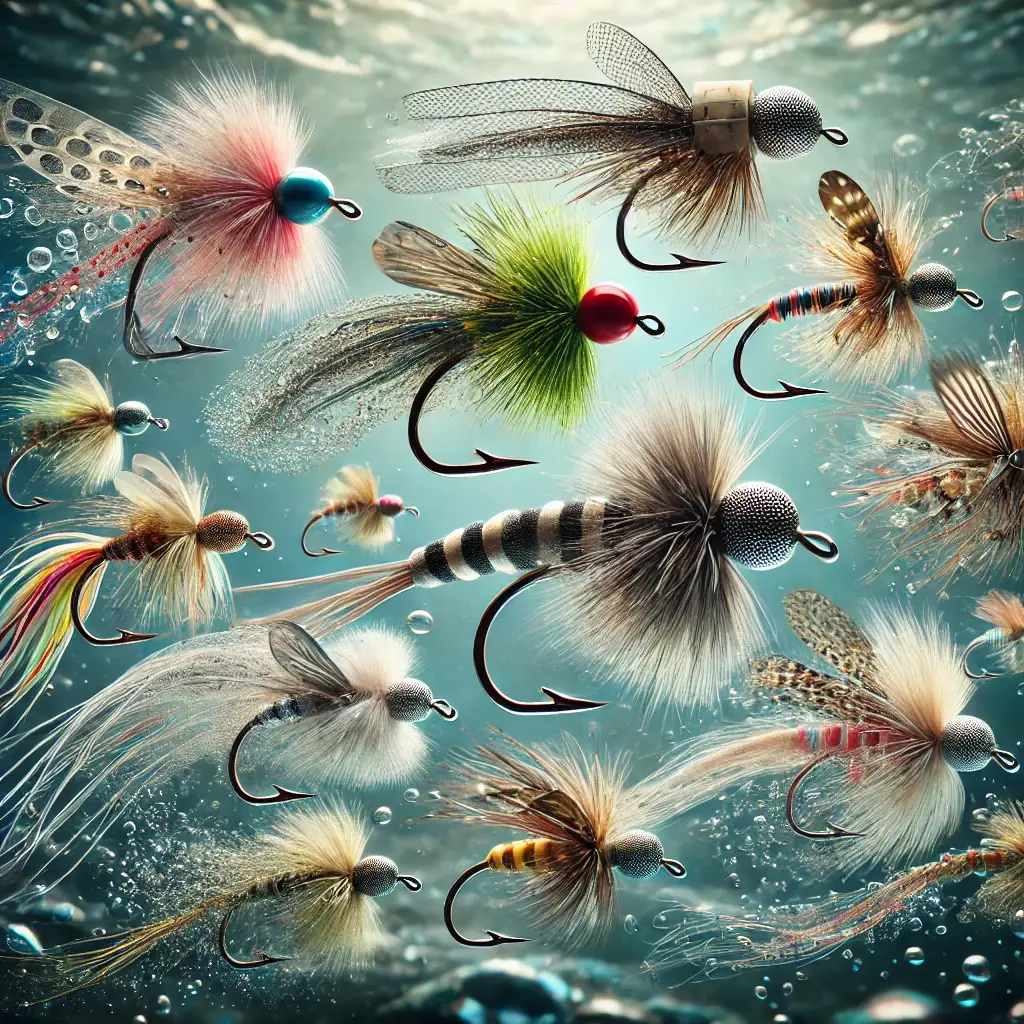
In 2025, synthetic flies are reaching new heights with advanced materials that mimic real insects better than ever. The days of simple feathers and fur are evolving into an era of high-tech fibers, UV-reflective coatings, and ultra-lightweight synthetics that increase realism and durability.
One of the most exciting developments is the use of nanofiber technology. These ultra-thin materials allow for unparalleled movement in the water, making flies appear more lifelike. Additionally, UV-reactive filaments are becoming a must-have, as they catch light in a way that closely resembles the natural shimmer of real insects.
Another breakthrough is biodegradable synthetics. Many anglers are becoming more environmentally conscious, and companies are responding with materials that break down naturally over time without harming aquatic ecosystems.

Smart Flies: The Integration of Technology
Fishing flies are no longer just about appearance—they’re getting smarter. Some high-end synthetic flies now incorporate microelectronics and hydrodynamic enhancements to improve performance.
Certain models feature tiny vibration emitters that mimic the subtle movements of real prey, making them irresistible to fish. Others use embedded scent capsules that slowly release fish-attracting pheromones into the water. These innovations give anglers an edge, especially in highly pressured waters where fish are more cautious.
There’s even talk of Bluetooth-connected flies that sync with an app to monitor water conditions, though these are still in early development. Whether or not they become mainstream, technology is clearly reshaping the future of fly fishing.
Best Synthetic Flies for Different Fishing Conditions
Different fishing environments call for different types of synthetic flies, and 2025 brings an array of specialized options.
- Still Water Fishing: In lakes and ponds, slow-moving flies with buoyant materials work best. Synthetic foam bodies and UV-reflective coatings help these flies stay visible and attractive in calm waters.
- Fast-Flowing Rivers: In strong currents, weighted synthetic flies with hydrodynamic designs help maintain a natural drift. Tungsten-infused fibers and water-resistant coatings keep them effective even in turbulent waters.
- Saltwater Fishing: The best saltwater synthetic flies are made from corrosion-resistant materials and feature reinforced threads to withstand aggressive strikes. Some now include built-in scent dispersal to mimic the natural smell of prey.
Customizing Synthetic Flies for Maximum Success
One of the biggest advantages of synthetic flies is the ability to customize them for specific fishing needs. Anglers are experimenting with different textures, colors, and movement-enhancing additions to create the perfect bait.
Many are using 3D-printed fly bodies to precisely control weight and shape. Others are incorporating flexible polymer legs that move naturally in the water. By tweaking small details like adding reflective strips or adjusting buoyancy with microfoam inserts, anglers can fine-tune their flies to match local insect activity.
Where to Find the Best Synthetic Flies
As synthetic flies continue to advance, more brands are offering high-tech options. Major fly-fishing retailers now carry specialized synthetic patterns, and custom fly makers are using cutting-edge materials to craft one-of-a-kind designs.

Online marketplaces are also booming with innovative synthetic flies, with some companies offering subscription boxes that send out the latest high-tech patterns each month. For those who prefer DIY fly tying, new synthetic materials are widely available, making it easier than ever to create custom designs.
With technology pushing the boundaries of what’s possible, 2025 is shaping up to be an exciting year for synthetic fly fishing. Whether you’re looking for ultra-realistic movement, built-in attractants, or next-gen durability, there’s never been a better time to experiment with high-tech synthetic flies.
High-Tech Synthetic Flies is more than just an activity—it’s an opportunity to [desired outcome]. Apply these tips, stay consistent, and see the results for yourself in 2025!
