Essential DIY Home Repair Tips for Beginners: Master Your Fixes with Ease

Essential DIY Home Repair Tips for Beginners: Master Your Fixes with Ease

Are you ready to take charge of your home maintenance but unsure of where to start?

DIY home repair tips for beginners can transform you from a novice to a confident fixer-upper, empowering you to tackle common household issues with ease.

In this guide, we’ll explore essential tools, the most common repairs every beginner should know, step-by-step instructions for effective DIY fixes, and crucial safety practices to ensure your repair endeavors are both successful and safe.

Whether you’re dealing with a leaky faucet or a squeaky door, these tips will help you navigate the world of home repairs like a pro.

Pop by Uncle John’s Emporium for some original designs and gift ideas.

Essential DIY Home Repair Tips for Beginners: Master Your Fixes with Ease

Key Takeaways

  • Familiarize yourself with basic tools and their specific uses before starting any DIY project.
  • Learn to tackle common repairs like fixing leaky faucets or patching drywall to build your confidence.
  • Follow a step-by-step guide to ensure you complete your DIY fixes efficiently and correctly.
  • Always prioritize safety by wearing protective gear and following best practices during repairs.
  • Start with small projects to gradually develop your DIY skills and tackle more complex home repairs.

Understanding Basic Tools and Their Uses

When it comes to tackling home improvement tasks, having a solid grasp of basic tools and their uses is essential for any beginner looking to implement DIY home repair tips.

Familiarity with common tools can empower you to handle a range of projects, from fixing a leaky faucet to assembling furniture.

For instance, a screwdriver may seem simple, but knowing the difference between Phillips and flathead types can greatly enhance your efficiency.

Similarly, a tape measure is crucial for ensuring precise cuts and installations, while a utility knife can assist in various cutting tasks around the house.

By mastering these fundamental tools, you not only streamline your home repair efforts but also build the confidence needed to take on more complex projects as you gain experience with DIY home repair tips for beginners.

Common Home Repairs Every Beginner Should Know

Homeownership often comes with a unique set of challenges, and knowing some essential repairs can save you time and money.

Here are some valuable DIY home repair tips for beginners that cover common issues every homeowner should be ready to tackle.

Starting with plumbing, learn how to fix a leaky faucet by replacing washers or O-rings; it’s a simple task that can prevent water waste.

For electrical repairs, knowing how to change a light switch or outlet is crucial and can enhance safety and functionality in your home.

You can address minor wall damage with easy patching techniques or touch-up paint to keep your space looking fresh.

Additionally, learn how to unclog a drain with a plunger or a simple snake tool, as plumbing problems are among the most common household issues.

By familiarizing yourself with these basic DIY home repair tips, you’ll not only boost your confidence but also develop a skill set that enhances your home’s value and your enjoyment of it.

‘The best way to predict the future is to invent it.’ – Alan Kay

Pop by Uncle John’s Emporium for some original designs and gift ideas.

Step-by-Step Guide to Essential DIY Fixes

Step-by-Step Guide to Essential DIY Fixes

If you’re looking to enhance your home without breaking the bank, knowing some DIY home repair tips for beginners can be incredibly valuable.

First, start with small projects to build your confidence.

Begin by fixing leaky faucets: turn off the water supply, disassemble the faucet, replace the washer, and reassemble it.

Next, tackle squeaky doors by applying lubricating oil to the hinges – this quick fix can eliminate annoying noises in seconds.

Don’t overlook wall scratches; you can easily patch them using spackle and a putty knife, then paint over the area for a seamless finish.

For more complex tasks, like repairing drywall, consider watching online tutorials; these resources can guide you step-by-step.

Once you’ve conquered these basic repairs, you’ll likely feel empowered to tackle even bigger projects, saving money on professional services and enhancing your DIY skills along the way.

Safety Tips and Best Practices for DIY Repairs

Embarking on DIY home repairs can be a rewarding endeavor, especially for beginners eager to learn.

However, ensuring safety should always be a top priority.

Here are vital diy home repair tips for beginners to keep in mind.

Firstly, always wear appropriate protective gear—safety goggles, gloves, and masks—when handling tools or materials.

Secondly, read all instruction manuals and tutorials thoroughly before starting any project to understand the processes involved.

Moreover, ensure you have the right tools for the job; using improper tools not only complicates tasks but also increases the risk of accidents.

Organize your workspace to minimize clutter, making it easier to move around and reducing the likelihood of tripping over items.

Additionally, if you’re inexperienced with certain repairs, consider consulting a more experienced DIYer or watching tutorial videos for guidance—this can significantly enhance your skills and confidence.

Finally, remember to take your time; rushing through repairs can lead to mistakes and injuries.

By following these diy home repair tips for beginners, you can enhance your home improvement journey while ensuring your safety and wellbeing.

Frequently Asked Questions

What basic tools do I need to start with DIY home repairs?

As a beginner, you’ll need some essential tools including a hammer, screwdrivers (both flat and Phillips), pliers, a tape measure, utility knife, a level, and a cordless drill.

These will allow you to tackle most common repairs.

What are some common home repairs that beginners can handle?

Some common repairs include fixing leaky faucets, patching drywall, replacing light fixtures, unclogging drains, and painting walls.

These tasks are typically manageable for beginners.

Can you provide a step-by-step guide for a simple DIY repair?

Sure!

For a leaking faucet, first turn off the water supply, then remove the handle to access the cartridge.

Replace any worn washers or O-rings, reassemble the faucet, and turn the water back on to check for leaks.

What safety tips should I keep in mind while doing DIY repairs?

Always wear safety gear such as gloves and goggles, ensure the work area is well-lit, read instruction manuals carefully, and don’t hesitate to ask for help if you’re unsure about a task.

Where can I find more DIY home repair resources tailored for beginners?

There are many online platforms, including YouTube channels, DIY blogs, and home improvement forums that offer tutorials and advice specifically for beginners looking to improve their repair skills.

[color=rgb(110, 109, 109)][highlight=rgb(247, 247, 247)]Note: This post was created using AI-assisted research and written in my own words. I don’t claim personal experience unless stated. Learn How [/highlight][/color][color=rgb(59, 59, 59)][highlight=rgb(247, 247, 247)]Things Work Around Here[/highlight][/color]

Catch More Fish with TRUSCEND Easy Catch Soft Lures: Your Ultimate Fishing Companion!

Catch More Fish with TRUSCEND Easy Catch Soft Lures: Your Ultimate Fishing Companion!

If you’re an avid angler looking to improve your catch rate and enjoy more fruitful fishing trips, the TRUSCEND Easy Catch Pre-Rigged Soft Lures might just be the game-changer you’ve been searching for. Designed specifically for bass, trout, crappie, and walleye fishing, these soft swimbaits offer an enticing combination of realistic movement and ease of use, making them suitable for both beginners and seasoned fishermen alike.


Catch More Fish with TRUSCEND Easy Catch Soft Lures: Your Ultimate Fishing Companion!

Key Features

Unique Vibrating Swim Action and Trembly Sinking Move
One standout aspect of the TRUSCEND Easy Catch Soft Lures is their proprietary swimming action. The lures are engineered to mimic natural baitfish movements with a unique vibrating swim and a trembling sink. This lifelike motion sends out irresistible signals to predatory fish, increasing your chances of provoking a strike.


Catch More Fish with TRUSCEND Easy Catch Soft Lures: Your Ultimate Fishing Companion!

Pre-Rigged and Ready to Use
For anglers who appreciate convenience, these lures come pre-rigged, eliminating the hassle of manual rigging before hitting the water. Whether you’re fishing from shore, boat, or paddleboard, you can focus more on casting and less on preparation.

Discover the Magic of TRUSCEND Lures!

Versatile for Multiple Fish Species
The design of these soft lures makes them highly effective across various species, including bass, trout, crappie, and walleye. This versatility means you can rely on a single lure pack during multi-species fishing outings, offering great value.

Catch More Fish with TRUSCEND’s Soft Swimbaits!

Suitable for Weedy and Challenging Conditions
Customers often report success when using these lures in weedy environments, where many lures get snagged or fail to perform. The TRUSCEND Easy Catch Soft Lures maintain their action and remain effective even in dense underwater vegetation.

Get Your Family Fishing with TRUSCEND Easy Catch!

Quality Materials and Design
Crafted from soft yet durable synthetic materials, these lures balance lifelike flexibility with strength. This balance ensures realistic movement and resilience to bites, although some users note variability in durability over extended use.

Pros & Cons

Pros

  • Highly Effective Action: Multiple reviews highlight how the vibrating and trembling movements drive big fish wild, often resulting in quick bites. One angler famously caught an 18-inch trout within minutes of using these lures.
  • Good Value for Price: At around $16 for a set, users appreciate the combination of quality and affordability, making it an attractive option for budget-conscious fishermen.
  • Pre-Rigged Convenience: Ready-to-fish right out of the package, saving time and effort.
  • Versatility: Works well for various popular game fish and in diverse fishing environments, including weedy waters.
  • Attractive Design: The lures come in eye-catching colors and shapes that appeal to fish and anglers alike.

Cons

  • Durability Concerns: While many users report that the lures hold up well, there are some reports of them falling apart after multiple catches, especially when targeting larger or more aggressive fish.
  • Limited Size Range: Depending on the fish species you target, the available sizes might not suit everyone’s preference.
  • Not Ideal for Heavy Cover: Although effective in weedy areas, these soft lures may not be the best choice for fishing in extremely heavy cover due to their soft body construction.

Who Is It For?

The TRUSCEND Easy Catch Pre-Rigged Soft Lures are an excellent choice for anglers ranging from novices to experienced fishermen who want a versatile, ready-to-use lure that offers realistic action and good value. If you frequently fish for bass, trout, crappie, or walleye, especially in environments with aquatic vegetation, these lures can give you an edge. They’re also ideal for family fishing trips, thanks to their ease of use and effectiveness in producing bites.

Final Thoughts

With a solid 4.5-star rating from over 10,000 reviews, the TRUSCEND Easy Catch Soft Lures have proven popular among the fishing community for their realistic swimming action, versatility, and affordability. They offer an accessible way to boost your fishing success, particularly if you prefer soft swimbaits that resemble natural prey. While some concerns about durability exist, the overall positive feedback highlights their potential to become a reliable staple in your tackle box. Whether you’re out for a relaxing family fishing day or a competitive angling session, these lures are worth considering to help you catch more fish and enjoy every moment on the water.

As an Amazon Associate, I earn from qualifying purchases — at no extra cost to you.

Note: This post was created using AI-assisted research and written in my own words. I don’t claim personal experience unless stated. Learn How Things Work Around Here

Budget-Friendly Tips: How to Plan a Kitchen Remodel Under £500

Budget-Friendly Tips: How to Plan a Kitchen Remodel Under £500

Are you dreaming of a kitchen remodel but worried about your budget?

You’re not alone!

Many homeowners want to refresh their kitchen space without breaking the bank.

In this article, we’ll explore how to plan a kitchen remodel under £500.

From assessing your current kitchen to smart shopping for materials, we’ll provide you with effective strategies to transform your cooking space economically.

Let’s dive into these practical tips to help you achieve the kitchen of your dreams while keeping your expenses in check!

Pop by Uncle John’s Emporium for some original designs and gift ideas.

Budget-Friendly Tips: How to Plan a Kitchen Remodel Under £500

Key Takeaways

  • Assess your current kitchen to identify necessary changes before starting your remodel.
  • Create a detailed budget to allocate the £500 effectively for maximum impact.
  • Consider DIY projects as a way to save money while giving your kitchen a fresh look.
  • Research and shop smart by looking for deals and discounts on kitchen materials.
  • Prioritize essential updates that enhance functionality and aesthetics within your budget.

Assessing Your Current Kitchen: Determining What Needs to Change

When considering a kitchen remodel, especially on a budget of under £500, it’s crucial to start by assessing your current kitchen setup.

Begin by examining the layout, fixtures, and appliances to determine what is functional and what needs improvement.

Look for elements that may be outdated or inefficient, such as old cabinets or a worn countertop.

Taking detailed notes on what works and what doesn’t can help prioritize changes.

Furthermore, consider the kitchen’s workflow, which includes the relationship between the sink, stove, and refrigerator.

By identifying these key areas, you’ll be able to plan enhancements that not only align with your budget but also significantly improve the functionality and aesthetic of your kitchen space.

Creating a Detailed Budget: Allocating Your £500 Wisely

When considering how to plan a kitchen remodel under £500, creating a detailed budget is essential to ensure every penny is utilized effectively.

Start by listing all the elements you wish to update—a fresh coat of paint, new cabinet hardware, or perhaps even a mini backsplash.

Assign a specific portion of your budget to each item based on its importance and potential impact on the kitchen’s aesthetic and functionality.

For example, allocate funds for paint and tools if your goal is to refresh the space with a new color scheme.

Be strategic; consider DIY options to save on labor costs, allowing you to stretch your budget further.

Utilize comparison shopping for materials, sourcing local discounts or even second-hand finds to maximize your resources.

Finally, don’t forget to set aside a small emergency fund within your budget to handle any unforeseen expenses.

By following these strategies, you’ll ensure that every aspect of your kitchen remodel is well-thought-out and executed within your £500 limit.

‘The best way to predict the future is to create it.’ – Peter Drucker

Pop by Uncle John’s Emporium for some original designs and gift ideas.

DIY Projects: Cost-Effective Solutions for a Fresh Look

DIY Projects: Cost-Effective Solutions for a Fresh Look

When considering a kitchen remodel, many homeowners often find themselves worried about breaking the bank.

However, with a little creativity and strategic planning, it is entirely possible to achieve a fresh new look for your kitchen while keeping the budget under £500.

To successfully plan a kitchen remodel under £500, start by assessing your current space and identifying areas that could benefit from an update.

Simple changes like painting cabinets, replacing hardware, or installing new lighting fixtures can make a significant impact without extensive costs.

Additionally, consider DIY projects like creating a backsplash using peel-and-stick tiles or repurposing old furniture into functional kitchen islands.

Online resources and community workshops can also provide valuable guidance on techniques and materials.

By prioritizing your needs, making informed choices, and embracing a DIY mindset, you can transform your kitchen into a stylish and functional space, all while staying within your budget.

Smart Shopping: Finding Deals and Discounts on Materials

Planning a kitchen remodel under £500 can seem daunting, but smart shopping can significantly help you achieve your goals without breaking the bank.

Begin by setting a clear budget and identifying which materials you need to update.

Focus on high-impact areas such as cabinets, countertops, and lighting fixtures.

Utilize online platforms and local retailers to find unbeatable deals and discounts on essential materials.

Websites like eBay, Facebook Marketplace, and local DIY stores often have clearance sections or weekend sales that can provide substantial savings.

Additionally, consider thrift stores or second-hand shops for unique finds that can add character to your kitchen.

Be strategic in your purchases by comparing prices and looking for sales events that coincide with your needs.

By leveraging these tips on how to plan a kitchen remodel under £500, you’ll be able to create a beautiful space that enhances your home without overspending.

Frequently Asked Questions

What are the first steps to assess my current kitchen for a remodel under £500?

Start by evaluating the functionality and aesthetic of your kitchen.

Identify problem areas such as outdated fixtures, inefficient layouts, or worn surfaces.

Make a list of necessary changes and prioritize them based on your budget.

How can I create a detailed budget for my kitchen remodel?

Break down your £500 into specific categories such as materials, tools, and decor.

Decide on a maximum amount for each category, and leave a small portion for unexpected expenses.

Research costs online or at local stores to make informed decisions.

What are some cost-effective DIY projects I can consider for my kitchen remodel?

Look into repainting cabinets, adding a backsplash with peel-and-stick tiles, or replacing cabinet hardware.

You can also repurpose old furniture or create open shelving with inexpensive materials for a fresh look.

Where can I find deals and discounts on kitchen remodel materials?

Check local thrift stores, online marketplaces, and hardware store sales for discounted materials.

Sign up for newsletters from home improvement retailers for exclusive deals, and consider joining local community groups where people give away or sell leftover materials.

Is it possible to remodel my kitchen under £500 without sacrificing quality?

Yes, by carefully planning and prioritizing DIY projects, you can achieve quality results on a budget.

Focus on small yet impactful changes and ensure you use durable materials.

Be resourceful in sourcing supplies to maximize your budget.

[color=rgb(110, 109, 109)][highlight=rgb(247, 247, 247)]Note: This post was created using AI-assisted research and written in my own words. I don’t claim personal experience unless stated. Learn How [/highlight][/color][color=rgb(59, 59, 59)][highlight=rgb(247, 247, 247)]Things Work Around Here[/highlight][/color]

Ultimate PLUSINNO Fishing Backpack Review: The Perfect Companion for Every Angler!

Ultimate PLUSINNO Fishing Backpack Review: The Perfect Companion for Every Angler!

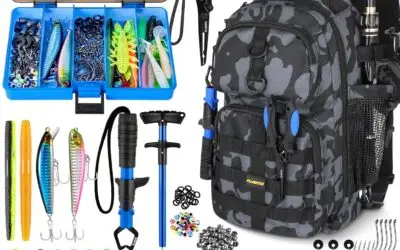
Fishing aficionados know the importance of having the right gear at their side—organizing equipment efficiently, carrying everything comfortably, and accessing tools quickly. Enter the PLUSINNO Fishing Backpack with Tackle Boxes, a comprehensive fishing gear solution designed to elevate your time on the water. This backpack doesn’t just carry your essentials; it thoughtfully combines functionality and convenience, featuring a waterproof design, multiple compartments, and handy inclusions like fishing lures, pliers, and a fish lip gripper. Priced at just $45.99, it aims to be the perfect companion for both casual and more dedicated anglers.


Ultimate PLUSINNO Fishing Backpack Review: The Perfect Companion for Every Angler!

Key Features

Spacious and Organized Design

The PLUSINNO Fishing Backpack boasts a large capacity with multiple compartments, allowing anglers to neatly store various fishing tools. Whether it’s tackle boxes filled with assorted lures or your essential pliers and fish lip grippers, everything can be easily accessed without unnecessary digging or clutter.

Versatility as Both Backpack and Sling Bag

One standout feature is the multi-wear capability—users can switch between wearing it as a traditional backpack or a sling bag. This flexibility supports comfort during long walks, hikes to hidden fishing spots, or quick short trips along the shore.

Durable and Waterproof Build

Constructed with waterproof materials, the backpack keeps gear safe from unexpected splashes and rainy fishing days. This resilience adds an extra layer of protection, making it dependable for various weather conditions.

Included Fishing Essentials

The package doesn’t stop at just a bag. You get fishing lures curated for both saltwater and freshwater fishing, fishing pliers designed for hook removal and split ring opening, and a fish lip gripper that enhances fish handling—ideal for catch and release practices.


Ultimate PLUSINNO Fishing Backpack Review: The Perfect Companion for Every Angler!

Pros & Cons

Pros

  • Excellent Organization: Customers widely praise the numerous compartments and tackle boxes, which help keep all gear orderly and within easy reach.
  • Versatile Carrying Options: The ability to use it as a backpack or a sling bag adds comfort and convenience, accommodating user preference and fishing scenarios.
  • Good Value for Money: Many reviewers note that the included extras, like pliers and lures, boost the backpack’s overall value, making it a budget-friendly fishing kit.
  • Comfortable and Practical: Lightweight with ergonomic design elements that support ease of wear on long fishing outings.

Cons

  • Size May Be Smaller Than Expected: A number of users mention the backpack’s capacity is less than anticipated, indicating it’s more suitable for shorter trips or minimal gear.
  • Durability Concerns for Heavy Use: While many find it sturdy for casual fishing, some anglers feel the materials and build quality might not withstand extremely rough conditions or heavy use over years.
  • Limited Capacity for Extensive Gear: For serious anglers carrying larger rods or more equipment, this backpack might be somewhat restrictive.

Who Is It For?

The PLUSINNO Fishing Backpack is ideal for casual to moderately serious anglers who prioritize organization and portability. It suits weekend adventurers and those embarking on short to medium-length trips who want a reliable, all-in-one solution without lugging multiple bags. Beginners will appreciate the included gear and ease of use, while intermediate fishers will find the compact system handy for day trips.

Explore the PLUSINNO Fishing Backpack Now!

If you’re someone who enjoys both freshwater and saltwater fishing and wants a versatile, lightweight backpack that keeps essentials at hand, this product fits the bill perfectly.

Get Your Fishing Gear Organized Today!

Final Thoughts

With a solid 4.4 out of 5 stars from over 340 reviews, the PLUSINNO Fishing Backpack proves to be a popular choice among fishing enthusiasts seeking a blend of convenience, functionality, and affordability. Its thoughtful design with multiple compartments, waterproof fabric, and included fishing accessories help streamline your fishing experience.

Shop the Ultimate Fishing Backpack Deal!

While the size and durability might not meet everyone’s needs—especially for heavy-duty or extended excursions—the PLUSINNO Fishing Backpack delivers excellent value for casual anglers looking to keep their gear organized and accessible. At its price point, it offers a practical package that can truly enhance your next fishing trip.

Whether you’re gifting a fellow angler or upgrading your own gear, this fishing backpack is a dependable companion for the water.

As an Amazon Associate, I earn from qualifying purchases — at no extra cost to you.

Note: This post was created using AI-assisted research and written in my own words. I don’t claim personal experience unless stated. Learn How Things Work Around Here

Top 10 Mistakes to Avoid in DIY Home Projects for Flawless Results

Top 10 Mistakes to Avoid in DIY Home Projects for Flawless Results

DIY home projects can be incredibly rewarding, allowing you to infuse your personal style into your living space.

However, to achieve flawless results, it’s crucial to approach these projects with careful consideration and planning.

In this article, we’ll explore the top 10 mistakes to avoid in DIY home projects, ensuring that your efforts yield beautiful and functional outcomes.

From common errors in project selection and budgeting to overlooking safety precautions, understanding these pitfalls will spell the difference between a successful makeover and a complex headache.

Let’s dive into the essentials of planning and execution, so you can confidently tackle your next DIY adventure!

Pop by Uncle John’s Emporium for some original designs and gift ideas.

<img src='https://im.runware.ai/image/ws/2/ii/b1a78af8-4213-4d0d-918e-42b3767d347

1.jpg’ alt=’Top 10 Mistakes to Avoid in DIY Home Projects for Flawless Results’ style=’display: block; margin: auto; max-width: 100%; height: auto;’>

Key Takeaways

  • Planning is crucial to avoid common DIY pitfalls.
  • Select projects that match your budget and skill level.
  • Never overlook safety precautions when initiating home projects.
  • Thorough research can help you identify mistakes before starting.
  • Follow expert tips for achieving impeccable results in DIY tasks.

Introduction to DIY Home Projects: The Importance of Planning

When embarking on DIY home projects, planning is crucial to ensure a smooth and successful experience.

One of the most common pitfalls homeowners face is neglecting to strategize their projects beforehand, leading to mistakes that can derail progress and inflate budgets.

Understanding the ‘mistakes to avoid in DIY home projects’ not only empowers you to make informed decisions but also enhances the overall efficiency of your efforts.

From underestimating costs to skipping the essential step of obtaining permits, recognizing these potential errors allows you to set realistic goals, allocate the right resources, and achieve beautiful results without unnecessary setbacks.

By prioritizing a well-structured plan, you pave the way for creativity and satisfaction, transforming your living space while avoiding the frustration that often accompanies rushed decisions.

Common Errors in Project Selection and Budgeting

When embarking on DIY home projects, one of the most critical phases is project selection and budgeting.

However, many individuals fall prey to common mistakes that can derail their efforts and lead to unnecessary expenses.

One of the primary mistakes to avoid in DIY home projects is neglecting to assess the true scope of the project.

Failing to create a comprehensive plan can result in overspending or underestimating the time required, leaving projects unfinished.

Another common error is not allocating enough budget for unforeseen costs.

Home improvements often come with surprises, from hidden structural issues to price fluctuations in materials, so it’s essential to set aside a contingency fund.

Additionally, overlooking the importance of research can hinder your project’s success.

Whether it’s selecting the right materials or finding the best techniques, investing time in learning can save you from costly missteps.

By steering clear of these mistakes, you can ensure that your DIY endeavors are not only successful but also enjoyable, transforming your vision into reality without breaking the bank.

‘The key to success is to start before you are ready.’ – Marie Forleo

Pop by Uncle John’s Emporium for some original designs and gift ideas.

Ignoring Safety Precautions: A Rookie Mistake

Ignoring Safety Precautions: A Rookie Mistake

When embarking on DIY home projects, one of the most crucial mistakes to avoid is overlooking safety precautions.

Ignoring safety measures is not just a rookie mistake; it can lead to serious injuries and costly mishaps.

Always ensure you are equipped with the right protective gear, such as gloves, goggles, and masks, especially when dealing with power tools or toxic materials.

Additionally, being aware of your surroundings and working in a well-ventilated area can significantly reduce risks.

By prioritizing safety, you not only protect yourself but also ensure that your DIY projects progress smoothly without unnecessary interruptions.

Tips for Achieving Flawless Results in Your DIY Endeavors

When embarking on DIY home projects, understanding the common mistakes to avoid in DIY home projects is crucial to achieving flawless results.

One of the primary pitfalls is underestimating the time and effort a project will require; careful planning and allocation of your resources can save you from future headaches.

Additionally, neglecting to measure twice can lead to costly errors, so be meticulous with your calculations.

Always remember to invest in quality materials; skimping can compromise the durability and aesthetic of your final product.

Safety is another critical aspect; ensure you have the appropriate safety gear, and be aware of any hazardous materials you may encounter during your project.

Finally, seek inspiration and guidance, but trust your instincts—relying solely on trends can sometimes steer your project away from your unique style.

By steering clear of these mistakes, you’ll be well on your way to completing successful and satisfying DIY endeavors.

Frequently Asked Questions

What are some common mistakes to avoid in DIY home projects?

Some common mistakes include failing to plan properly, going over budget, neglecting safety precautions, and choosing unsuitable projects that are beyond your skill level.

Why is planning important for DIY home projects?

Planning is crucial because it helps you set a clear roadmap for your project, ensures that you have the necessary materials, and allows you to anticipate potential challenges, leading to smoother execution and better results.

What safety precautions should I take when working on DIY projects?

Always use personal protective equipment like gloves and safety glasses, read instructions carefully, ensure good ventilation, and keep a first aid kit accessible in case of accidents.

How can I stay within budget while working on DIY projects?

To stay within budget, create a detailed list of materials with estimated costs, compare prices from different suppliers, and leave room for unexpected expenses.

What tips can help ensure flawless results in my DIY projects?

Measure twice before cutting, take your time with each step, seek advice from experienced DIYers if needed, and don’t hesitate to practice or do smaller projects first to build your skills.

[color=rgb(110, 109, 109)][highlight=rgb(247, 247, 247)]Note: This post was created using AI-assisted research and written in my own words. I don’t claim personal experience unless stated. Learn How [/highlight][/color][color=rgb(59, 59, 59)][highlight=rgb(247, 247, 247)]Things Work Around Here[/highlight][/color]