Caring for chickens is a daily adventure in routine and surprise. Each morning, your hens expect you (their humble servant) to show up with breakfast. A typical daily routine involves letting the chickens out of the coop at dawn’s first light (to much clucking applause), checking that feed and water are plentiful, and doing a quick health scan of the flock.
A small-scale farmer tends to a hungry flock of hens. Providing constant access to fresh feed and water keeps chickens healthy and productive. Chickens eat about 1/4 to 1/2 pound of feed per day each, depending on breed and weather. Use a quality commercial feed appropriate to their life stage (starter, grower, layer, etc.), so they get balanced nutrition. They’ll also happily devour kitchen scraps and garden weeds—consider them your composters—but keep treats to no more than 10% of their diet. Too many treats (no matter how much they beg) can upset their nutritional balance. If you do toss them table scraps or scratch grains, be sure to provide grit (tiny stones) to help them grind up those goodies.
Don’t forget water:
A hen can drink around a pint a day, and even more in hot weather. Fresh, clean water is non-negotiable—a thirsty chicken is an unhappy (and non-laying) chicken. In freezing winter, you’ll need to prevent water from turning into a chicken ice rink (heated waterers or frequent refills do the trick). In summer, shade and cool water help the flock beat the heat.
Egg Collection:
Even on busy days, collecting eggs and doing a quick headcount of your feathered residents is a must. Most hens lay in the morning, so swing by the nest boxes once or twice a day to collect eggs before they become chicken soccer balls or breakfast for a sneaky hen. Prompt collection keeps eggs clean and discourages hens from going broody (sitting on eggs) if you don’t plan to hatch chicks. Plus, there’s nothing quite like the feeling of a still-warm egg in your hand—it’s like finding treasure in a nest box.
Regularly Inspect:
your chickens’ living area. Chickens aren’t big on personal hygiene, so it’s on you to clean the coop bedding every week or two (or practice the deep litter method to compost bedding in place, reducing odor). This keeps smells down and harmful ammonia levels low. Clean coops also help prevent pests and disease. Speaking of which, keep an eye (and nose) out for any unusual signs: sneezing, runny droppings, limping, or feather loss. Early detection of problems is the superpower of a good chicken-keeper.
Perhaps the greatest challenge in husbandry is resisting the chickens’ relentless charm when they beg for treats. They will follow you around, cluck piteously as if they haven’t eaten in weeks, and attempt to con you out of that slice of watermelon. Stay strong—or at least hide the sugary snacks. Remember, a well-cared-for hen rewards you with healthy eggs, natural pest control, free fertilizer, and endless comic relief (ever seen a hen chase a grasshopper?). A few minutes of daily care is a fair trade for all that feathery goodness.
Final Thoughts on Husbandry
The daily care of chickens might seem like a series of small tasks, but they add up to a thriving, happy flock. By establishing a consistent routine, you not only ensure your birds are well-fed and healthy, but you also build a bond that makes every cluck and peck a joy to witness.
Resources & Further Reading:
Backyard Barnyard – Deep litter method and coop management strategies.
Keeping chickens may feel like a quaint hobby, but it often comes with a side of legal fine print. In the United States, local regulations for backyard chickens can range from totally permissive to “not in my backyard (coop).” The rules depend on your city, county, and even your HOA (Homeowners Association). When considering keeping HOA chickens, first check your city or county zoning ordinances – many municipalities now explicitly allow a small number of hens in residential areas (in fact, as of 2011, about 93% of US cities permitted backyard chickens in some form
the-chicken-chick.com). These laws typically spell out how many chickens you can keep (e.g. 4–6 hens is common in suburban lots), whether roosters are allowed (often no roosters due to their pre-dawn karaoke), and how far the coop must be from property lines or neighboring homes.
Permits:
Some local governments require a permit or license to keep chickens, especially if you live on a smaller lot or want more than a few hens. For example, in parts of Virginia, residents on less than 2 acres must apply for a special permit and even notify neighbors before building their coop
fairfaxcounty.gov. This can involve a small fee and perhaps a site inspection to ensure your setup meets guidelines (like proper coop size and distance from dwellings). It’s wise to do this paperwork before bringing home a peeping box of chicks, to stay on the right side of the law.
HOA Rules:
Ah, the HOA – the legendary slayer of backyard dreams. Even if your city says “Sure, chickens are fine,” your homeowners association might have a covenant banning poultry. Always check your HOA bylaws and rules. Many HOAs still prohibit chickens outright
clarksimsonmiller.com, or they might place restrictions (e.g. hens okay, but no roosters, or require written approval from the board). If chickens aren’t allowed, you have a few options: seek permission or bylaw changes (bring cupcakes to the next HOA meeting and present your case), or consider “stealth” chickens (smaller breeds that keep quiet… but that’s a risky game and not recommended if it could lead to fines or forced re-homing of your beloved birds).
Neighbor Relations:
Legal or not, it’s always a good idea to chat with your neighbors before getting chickens. Promise them fresh eggs in exchange for any minor inconveniences. Address concerns about noise or smell by explaining you’re only getting hens (who cluck softly, nothing like a loud rooster) and that you’ll keep the coop clean. A little goodwill goes a long way – you don’t want the folks next door lodging complaints at city hall the first time one of your hens hops the fence to explore their flowerbed.
One common legal stipulation is a ban on roosters in residential areas. Roosters are loud and can crow all day long, not just at sunrise (contrary to popular myth). If your self-sufficiency plan involves hatching chicks, note that you don’t need a rooster for hens to lay eggs – only if you want those eggs fertilized. Many urban chicken-keepers skip the rooster and buy fertilized eggs or visit a breeder when they want to expand the flock. It keeps the peace with neighbors and regulators alike.
Lastly, be aware of any rules on sanitation and slaughter. Some places allow backyard chicken keeping but prohibit slaughtering them on-site (important if you plan to raise meat birds). Others have rules on how to store manure or require periodic vet check-ups. While enforcement of such rules is usually complaint-based, you should know them to avoid unpleasant surprises.
Pro tip:
Call your local extension office or animal control for guidance on chicken ordinances when in doubt. They can tell you precisely what’s allowed in your area. It’s better to spend a day reading fine print now than to covertly fight a legal battle later. (Just ask the “chicken outlaw” in one Connecticut town who unknowingly violated zoning – she got a cease-and-desist letter after her sneaky rooster, Petunia, revealed himself with a loud crow the-chicken-chick.com. Don’t be that person… or that rooster.)
Understanding and adhering to local regulations ensures your chicken-keeping journey is smooth and hassle-free. Stay informed, get the necessary permits, and always communicate openly with your neighbors. That way, your feathered friends can cluck along peacefully without running afoul of the law.
Chickens are generally hardy critters, but they do have their share of potential health hiccups. Keeping your flock healthy is a mix of preventative care and prompt action at the first sign of trouble. The old saying “an ounce of prevention is worth a pound of cure” could have been written about poultry – many chicken illnesses are easier to prevent than to treat (and often, by the time a chicken looks sick, it’s very sick).
Start with disease prevention. Buy chicks from reputable hatcheries or breeders, and vaccinate when recommended. One of the most important vaccines is for Marek’s Disease, a highly contagious virus that causes paralysis and death in chickens
Most hatcheries will offer to vaccinate day-old chicks for Marek’s (and it’s wise to say yes – it’s a cheap insurance policy). The vaccine, given at the hatchery on the chick’s first day of life, is highly effective at protecting your birds
There’s no cure for Marek’s, so vaccination and bio-security are the best defense. Some hatcheries also vaccinate for coccidiosis, a parasitic disease, or you can use medicated chick starter feed to help chicks build immunity.mannapro.com.
Practice good bio-security:
a fancy term for “don’t track germs into your coop.” Wash hands and change boots after visiting other farms or feed stores (diseases like avian influenza and Newcastle can hitchhike on your shoes). If you introduce new birds to your flock, quarantine them for a few weeks first to ensure they’re not sneezing, sniffling, or harboring unseen illnesses. It’s also smart to keep wild birds out of your chicken run – wild birds can carry mites or diseases that your chickens would rather not catch.
Common chicken diseases:
to be aware of include respiratory infections like infectious bronchitis, Mycoplasma (chronic respiratory disease), and avian influenza, as well as others like coccidiosis, fowl pox, and internal parasites. Parasites deserve a special mention: chickens can get mites, lice, ticks, and worms
Regularly check under your hens’ feathers (especially around the vent area) for tiny crawling critters or eggs, and treat promptly if found. Providing a dust bath area (a shallow box or pit filled with sand/soil and a bit of wood ash or diatomaceous earth) lets chickens clean themselves and ward off external parasites in the most adorable spa treatment you’ll ever witness.merckvetmanual.com.
Some health practices might even be required by law or needed for showing chickens. For example, poultry exhibitions often require testing for Salmonella pullorum disease or avian flu. For the average backyard keeper, it’s more about sensible habits: keep the coop dry and clean to prevent bacterial growth, ensure good ventilation (but no drafts directly on roosting chickens), and don’t overcrowd the birds – crowding stresses them and can lead to disease outbreaks.
If despite your best efforts, a chicken falls ill, have a plan. Locate a veterinarian or an experienced chicken-keeping mentor who can help. Not all vets treat chickens (surprising, I know – apparently four-legged pets hog all the vet spotlight), so find one in advance. Many illnesses can be treated if caught early, but chickens are experts at hiding sickness (a survival instinct to avoid appearing weak to predators). By the time a hen looks lethargic or stops eating, she may be quite ill. Isolate any sick chicken from the flock to prevent spread. Some issues, like an impacted crop or egg binding, you can sometimes handle with home remedies after doing research; more serious diseases may need veterinary meds or, in worst cases, humane culling to protect the rest of the flock.
The fix is simple:
Protect yourself.
While most chicken diseases don’t transfer to humans, some can. Salmonella is the big one – it can live in poultry droppings and on feathers. Backyard flock–related Salmonella outbreaks happen every year in the US cdc.gov. Wash your hands thoroughly after handling chickens or eggs, and don’t snuggle your hens and then lick your fingers (common sense, right?). Teach children to wash up after visiting the coop, too. With good hygiene, the risk is minimal and certainly shouldn’t deter you from enjoying your birds.
In short, healthy chickens need a clean environment, good food and water, and watchful eyes. Stick to a regular cleaning schedule and observe your birds often – you’ll learn each chicken’s quirks and spot when “Cluck Norris” isn’t acting like himself. A little preventive care goes a long way; as experts note, treating a flock once disease hits can be extremely challenging (and expensive), so focus on keeping germs out in the first place mannapro.com
Your reward will be a vibrant flock that lives long, lays well, and only sees the vet for the occasional check-up or manicure.
So, you’re thinking about keeping chickens in your backyard? Excellent choice! These feathered friends can turn kitchen scraps into breakfast, patrol your garden for bugs, and provide endless entertainment with their quirky antics. In this guide, we’ll walk (or waddle) you through everything from daily husbandry to legal requirements, health tips, habitat setup, breeding basics, and the pros & cons of raising chickens for self-sufficiency. Grab your sense of humor (and maybe an egg carton) – let’s get started.
Husbandry – Daily Care and Maintenance
Keeping chickens is an art—and a science—that rewards you with fresh eggs, natural pest control, and endless entertainment. In this post, we cover the nuts and bolts of daily chicken care. More….
Legal Requirements
Keeping chickens may feel like a quaint hobby, but it often comes with a side of legal fine print. In the United States, local regulations for backyard chickens can range from totally permissive to “not in my backyard (coop).” The rules depend on your city, county, and even your HOA (Homeowners Association). First, check your city or county zoning ordinances – many municipalities now explicitly allow a small number of hens in residential areas (in fact, as of 2011, about 93% of US cities permitted backyard chickens in some form, More…..
Health Considerations
Chickens are generally hardy critters, but they do have their share of potential health hiccups. Keeping your flock healthy is a mix of preventative care and prompt action at the first sign of trouble. The old saying “an ounce of prevention is worth a pound of cure” could have been written about poultry – many chicken illnesses are easier to prevent than to treat (and often, by the time a chicken looks sick, it’s very sick). More….
Habitat
Your chickens’ living quarters (coop and run) are where your self-sufficiency dreams meet practical reality. A well-designed coop protects chickens from rain, wind, and predators, while giving them comfy spots to roost (sleep) and lay eggs. Think of the coop as a tiny house for your hens – it needs all the chicken amenities: roost bars, nesting boxes, food, water, and a door to the outside. When planning a coop, keep in mind the three S’s: Space, Security, and Sanitation. More….
One day you might look at your flock of hens and think, “Wouldn’t it be nice to hatch some chicks?” Breeding chickens can be a rewarding extension of your self-sufficiency journey – it closes the loop by replenishing your flock naturally. There are two main ways to hatch new fluffballs: incubation (using an incubator) or letting a broody hen do the work. And of course, to get fertile eggs in the first place, you’ll need either a rooster or a source of fertile eggs from someone who has one. More….
Pros & Cons
Keeping chickens for self-sufficiency comes with fantastic benefits as well as some challenges. In true chicken-keeper fashion, let’s scratch through the pros and cons:
.Pros of Keeping Chickens
Fresh, High-Quality Food
You get a steady supply of fresh eggs (and meat, if you choose) right from your backyard. Home-raised eggs often have richer color and flavor, and can be more nutritious than store-bought1. Plus, you know exactly what your chickens ate and how they lived, so there’s real peace of mind in the quality of your food2. It doesn’t get more local than walking outside to “shop” for breakfast in the nesting box!
Self-Sufficiency & Sustainability
Chickens turn kitchen scraps and garden weeds into eggs and manure, closing the loop in your food system. They reduce waste by eating leftovers and producing compostable fertilizer. This is a great step toward an eco-friendly, sustainable lifestyle. You rely a bit less on the supermarket for protein, which is empowering (especially during egg price spikes or supply disruptions).
Pest Control & Gardening Benefits
Got bugs? Not for long. Chickens adore eating insects, slugs, and ticks. They’ll patrol your yard like tiny feathered exterminators. They also scratch up soil and can help till and fertilize your garden during off-seasons. Chicken manure, once composted, is black gold for your plants. Many gardeners keep hens as much for the free fertilizer as for the eggs.
Educational & Family Fun
Chickens are great for kids (with supervision and good hand-washing). They teach responsibility – someone’s got to collect eggs and refill water daily. Children learn where food comes from and develop empathy by caring for animals. And let’s face it, adults learn a lot too. Every day with chickens can teach you something new about animal behavior, homesteading skills, and even a bit of biology (you’ll soon be casually discussing crop impaction and egg bloom like a pro).
Therapeutic & Entertaining
Tending chickens can be wonderfully therapeutic2. There’s something calming about the clucking of content hens on a lazy afternoon. Many people find that watching chickens roam and peck is more relaxing than any TV show. (Chicken TV is a real thing – and it’s hilarious! Hens have personalities galore and their social interactions are endlessly amusing.) They can be surprisingly affectionate too; some will hop into your lap for treats or follow you around like you’re part of the flock. Free stress relief, courtesy of your backyard buddies.
Community and Camaraderie
Chickens tend to draw people together. You might find yourself chatting with neighbors more, especially when you share excess eggs or they wander over to see your pretty flock. There’s a huge community of backyard chicken keepers out there eager to offer advice and swap stories. You might join local Facebook groups, go to poultry swaps, or even enter a friendly “best hen” contest at the county fair. Chickens are a great conversation starter – everyone’s curious about them.
Cons of Keeping Chickens
Daily Responsibility
Chickens, like any pets or livestock, require daily care. You can’t just set out a feeder and forget about them for a week. They need checking every day – food, water, egg collection, coop security. This can complicate vacations (you’ll need a chicken-sitter or a very automated setup). It’s a commitment of time and energy3. Early mornings and routine chores are part of the package, so consider your lifestyle – if you’re not home often or can’t be consistent, chickens might be challenging.
Initial Costs & Infrastructure
The old joke is that your $5 backyard eggs only cost you $1500 to produce. While that’s an exaggeration, setting up a proper coop and run, buying equipment, and purchasing chickens/feed does require an upfront investment. A sturdy coop (materials or prefab), fencing, feeders, waterers, bedding, feed, and possibly permits can add up. There are ongoing costs too (feed, bedding, occasional vet care). Financially, backyard eggs often end up more expensive than store eggs, especially in the first couple of years2. Most chicken keepers justify it with all the non-monetary benefits, but it’s good to budget realistically.
Potential Odor and Mess
Chickens aren’t dirty animals per se, but their poop sure piles up. Without regular cleaning, a coop can start to smell fowl (bad pun intended). In warm weather, odors and flies can become an issue if manure isn’t managed. Neighbors won’t appreciate wafts of chicken poo on the breeze. You’ll need to commit to a cleaning schedule and possibly manure composting. The “deep litter method” can reduce smell by composting bedding in place3, but it requires know-how to do right. Also, chickens love to dig and scatter stuff – expect some mess (and some parts of your yard to turn into dust-bath craters).
Noise
Hens are relatively quiet, but not silent. They softly cluck and coo throughout the day, which most people find pleasant or at least unobtrusive. However, when a hen lays an egg, she may announce it with an “egg song” – a series of loud clucks (“buk-buk-buk BAGAWWWK!”) that can go on for a minute or two. It’s not rooster-level loud, but it’s noticeable. And if you did end up with a rooster (intentionally or by surprise), brace yourself (and the neighborhood) for crowing at all hours. Roosters don’t just crow at dawn; they crow whenever they feel like it, which can be early morning, noon, or midnight. Noise can be a concern in densely populated areas and is why many locales prohibit roosters3. Bottom line: anticipate some sounds from your coop, and consider your proximity to neighbors.
Predators and Losses
Sooner or later, every chicken keeper experiences the heartbreak of a predator attack or a lost chicken. It’s perhaps the hardest con – you get attached to these birds, and losing them is tough. You must be vigilant with coop security to prevent tragedies. Even so, accidents happen: a clever raccoon finds a gap, a hawk swoops in during an unsupervised free-range time, or a dog jumps the fence. Predators are persistent, and you may need to invest time and money to continuously reinforce your defenses. Dealing with illness or injury is also part of the reality – a cherished hen might get egg-bound or develop a disease that not every vet can treat. There can be some emotional strain in learning to cull a suffering chicken or handling the loss of one despite doing everything right.
Regulations and Restrictions
As we covered in “Legal Requirements,” laws can be a con. If your area doesn’t allow chickens, you might simply be unable to keep them (or have to fight city hall to change an ordinance, which can be slow and frustrating). Even if it’s legal, an HOA could restrict you3. And if you bend the rules, you risk fines or being forced to remove your flock – a devastating outcome. So sometimes the con is that despite your desire, the powers that be have put roadblocks to your chicken journey.
Health Risks and Sanitation
While generally low-risk, there are a few health considerations. Chicken coops can attract rodents if feed is left accessible – mice and rats are unwelcome visitors that bring their own diseases. You’ll need to rodent-proof your feed storage and maybe set traps if they come sniffing. Also, as mentioned, chickens can carry Salmonella and other germs that can infect humans4. You mitigate this by hand-washing and keeping things clean, but if someone in your household has a compromised immune system, extra caution is needed. Finally, chickens can be hard on a yard – they will nibble your prized lettuce, scratch up flowerbeds, and leave droppings on your patio if allowed. Managing their impact on your space (with fencing or designated chicken zones) is necessary to avoid turning your lovely lawn into a patchwork of bare spots and random holes.
In weighing pros and cons, remember that many challenges can be managed with preparation and commitment. For most enthusiasts, the pros – fresh eggs, the joy of chicken antics, sustainable living, and the deep satisfaction that comes from tending a flock – far outweigh the cons. But it’s wise to go in with eyes open (and a coop door closed!). If you’re ready to embrace the responsibility along with the rewards, you’ll likely find that keeping chickens is an incredibly enriching experience that connects you to your food, your environment, and a simpler way of life.
Frequently Asked Questions About Raising Backyard Chickens
1. Why Aren’t My Chickens Laying Eggs? How Can I Fix It?
If your hens suddenly stop laying or never really started, don’t panic. Common reasons include age (young pullets may not have started laying yet, while older hens might be winding down), shorter daylight hours (they need about 14+ hours of light to lay steadily), stress (predators or bullying), or poor nutrition. What to do:
Extend daylight: Use a safe, low-watt bulb in the coop to mimic longer days.
Improve diet: Provide balanced layer feed with at least 16% protein.
Check health: Look for mites, illness, or any sign of stress.
Reduce stressors: Keep the coop calm, predator-proof, and well-ventilated.
2. How Can I Reduce Chicken Feed Costs Without Sacrificing Nutrition?
Chickens can eat a lot, and feed prices can really add up. To manage costs:
Free-range or pasture: Allow them to forage for insects and greens if it’s safe in your area.
Kitchen scraps: Toss healthy leftovers (veggie scraps, fruit peels) to supplement their feed.
Bulk buying: Purchase feed in larger quantities or team up with other chicken keepers for group discounts.
Fermenting feed: Fermented chicken feed can improve digestion and reduce how much they need overall.
3. How Do I Keep Chicken Water Clean and Fresh All Day?
Chickens love to scratch and, well, that means they fling dirt everywhere! To keep water clean:
Elevate waterers: Place waterers on bricks or blocks to keep them above most of the dirt.
Use poultry nipples or cups: These systems reduce open water surface, helping prevent contamination.
Refresh daily: Rinse and refill at least once a day (more often in hot climates).
4. Why Are My Chickens Pecking Each Other’s Feathers? Solutions and Tips
Feather pecking can be caused by overcrowding, boredom, or nutritional deficiencies. It’s usually the more dominant birds picking on the lower-ranked ones. How to stop it:
Add space: Each chicken needs about 4+ square feet inside the coop and 8-10 square feet in the run.
Provide entertainment: Hang cabbage heads, scatter scratch grains, or add perches to reduce boredom.
Check protein levels: Sometimes feather-pecking stems from low protein intake.
Separate bullies: If one bird is a repeat offender, isolate her for a short “time out.”
5. How Can I Safely Catch Chickens That Escape the Pen?
Chickens can be surprisingly fast and elusive. Here’s how to wrangle them with minimal drama:
Calm approach: Move slowly without sudden motions so you don’t spook them.
Use treats: Shake a treat container, and they’ll often come running.
Wait until dusk: Chickens naturally return to roost at night, making them easier to grab.
Employ a net: A lightweight fishing or butterfly net can help when all else fails.
6. Which Chicken Breeds Are Best for High Egg Production?
There are several superstar layers known for reliable, abundant egg-laying. Below is a quick reference table for popular breeds and their approximate average eggs per week:
Chicken Breed
Eggs per Week
Leghorn
5–6
Rhode Island Red
5–6
Australorp
5
Minorca
4–5
Plymouth Rock
4–5
Sussex
4–5
Wyandotte
4–5
Easter Egger
4–5
Orpington
3–4
Brahma
3–4
Cochin
2–4
Polish
2–3
Silkie
2–3
Sebright
2–3
7. Do I Need a Rooster for My Hens to Lay Eggs?
Nope! Hens lay eggs regardless of whether a rooster is around. Roosters are only necessary for fertilized eggs (if you want to hatch chicks).
8. How Often Should I Clean the Chicken Coop?
A general rule is to do light cleaning (removing obvious messes) weekly and a more thorough cleaning monthly or seasonally, depending on the size of the flock. Keep bedding dry and fresh to reduce odors and prevent disease.
9. What’s the Best Way to Protect My Flock from Predators?
Predator-proofing is crucial. Consider using sturdy wire mesh (hardware cloth rather than chicken wire), burying fencing at least 12 inches underground, and securing doors with latches that raccoons can’t fiddle open. Lock your hens in the coop at night, and ensure no openings can let a predator sneak in.
10. Do Chickens Need Extra Heat in Winter?
Most healthy, fully feathered adult chickens tolerate cold weather well. Provide a draft-free coop, good ventilation, and plenty of dry bedding. A heat lamp is rarely needed and can be a fire risk, so use it only in extreme situations and with caution.
I hope this FAQ helps you troubleshoot common issues and keep your flock safe, healthy, and well-fed. Happy chicken-keeping!
US Solar PV Financing in 2025: A Comprehensive Guide for Homeowners
Going solar can dramatically cut your energy bills and carbon footprint. However, the upfront costs of a photovoltaic (PV) system can be intimidating. Fortunately, 2025 is a great time for U.S. homeowners to invest in solar thanks to robust financing options and government incentives. In this guide, we’ll break down US Solar PV financing from federal tax credits and PACE programs to picking top solar lenders, comparing solar PV loan vs lease options, and even financing DIY solar PV projects. By the end, you’ll understand how to make solar affordable and choose the best financing path for your home.
1. US Government-Backed Incentives for Solar in 2025
An essential driver for solar adoption is government-backed incentives. Here’s a look at what’s available:
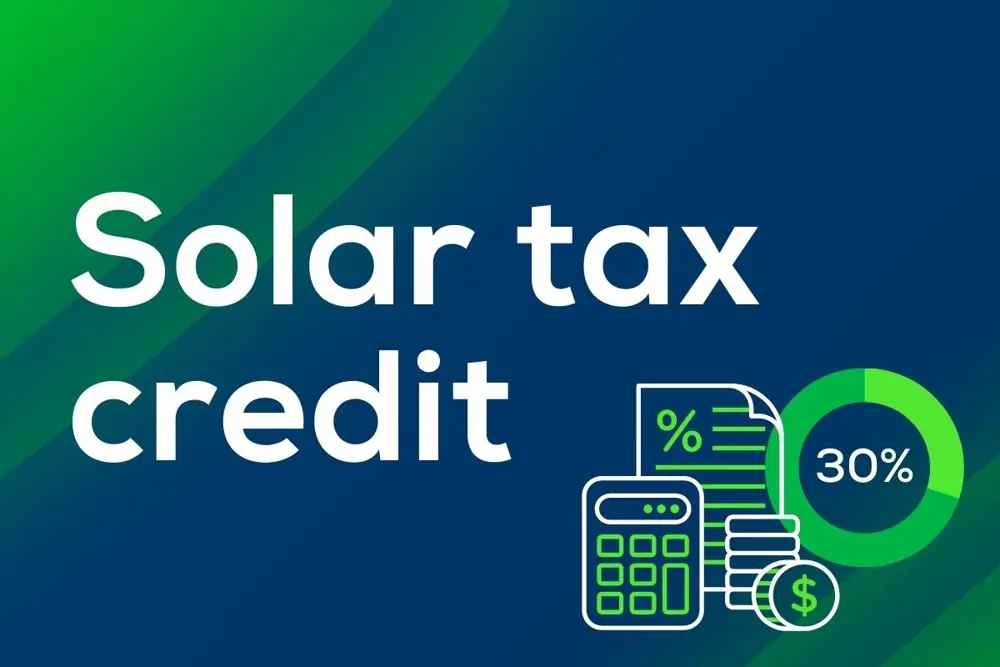
Federal Investment Tax Credit (ITC) – 30% in 2025: The federal Residential Clean Energy Credit (ITC) lets you deduct 30% of your solar installation cost from your federal taxes . For example, on a $20,000 solar array, you could claim a $6,000 credit—directly reducing your tax bill. The ITC applies to both solar PV and related equipment (like batteries) and remains at 30% for systems installed through 2032, provided you own the system. (If you finance your solar project, the lender holds a lien until the loan is paid off.) Keep in mind that this credit is nonrefundable—it only reduces your tax liability to zero, and any unused credit may roll over to the following year.
Property Assessed Clean Energy (PACE) Programs: PACE programs let homeowners finance solar and energy improvements through property taxes. They offer low-cost, long-term financing repaid as an assessment on your property tax bill. PACE is typically available in states such as California, Florida, and Missouri (more info here ). Be aware that PACE debt follows the property, so if you sell your home, the obligation transfers to the new owner. This financing method generally requires no credit check or upfront payment, making it an attractive option—but review the terms carefully.
State and Local Solar Incentives: Beyond federal programs, many states and municipalities offer additional incentives:
State Tax Credits: Some states, like New York and Arizona, provide state income tax credits that stack with the ITC (details here ).
Sales and Property Tax Exemptions: Many states waive sales tax on solar equipment and exempt the installation from property tax reassessments (see details here ).
Utility or Local Rebates: Some utilities offer rebates that reduce your upfront costs. For instance, New York’s NY-Sun program provides significant upfront rebates (more info here ).
Performance Incentives (SRECs): In states such as New Jersey, you can earn credits based on your system’s energy output, which can be sold for extra income (details here ).
Net Metering: Although not a direct cash incentive, net metering lets you earn credits for surplus solar energy fed back to the grid (learn more here ).
For a full list of state-specific programs, consult resources like DSIRE (Database of State Incentives for Renewables & Efficiency) (link here).
2. Top Reputable Lenders for Solar PV Financing in 2025
Most homeowners finance their solar systems via loans rather than paying cash. Here are some of the top lenders known for their favorable solar loan terms:
Mosaic:
Credit Score: Starting at 640
Loan Term: 10 to 25 years
APR: Approximately 3.99% and up
Highlights: No money down; widespread installer network (See details here ).
Sunlight Financial:
Credit Score: Typically around 650
Loan Term: Average terms around 20 years
APR: Around 3%–6% (with some 0% promo offers)
Highlights: Low/zero-interest plans; includes batteries & roof work (Details available here).
GoodLeap:
Credit Score: As low as 600 for smaller loans
Loan Term: 7 to 25 years
APR: Approximately 2.99%–6%
Highlights: Fast fintech approvals; financing available for additional energy efficiency upgrades (More info here ).
Dividend Finance:
Credit Score: Around 660
Loan Term: 12 or 20 years
APR: Roughly 3.5% to 7%
Highlights: Backed by Fifth Third Bank; unique 18-month reduced payment period (Additional details here ).
Energy Loan Network (ELN):
Highlights: Connects you with local credit unions offering competitive, fixed-rate loans averaging around 5.24% over 8–20 years. (See further here ).
LightStream (Truist Bank):
Credit Score: Minimum ~660
Loan Term: 2 to 12 years
APR: Approximately 7.99%–21%
Highlights: Unsecured personal loan; excellent for DIY projects since funds are received directly (More details here ).
Below is a quick comparison table:
Lender
Min. Credit Score
Loan Term Options
Approx. APR Range
Notable Features
Mosaic
640
10 – 25 years
~3.99% – 7%
No money down; strong installer network
Sunlight Financial
650
~20 years
~3% – 6%
Low/zero-interest plans; includes batteries/roof work
GoodLeap
600+
7 – 25 years
~2.99% – 6%
Fast fintech approvals; covers multiple efficiency upgrades
Dividend Finance
660
12 or 20 years
~3.5% – 7%
18-month reduced payment period; backed by Fifth Third Bank
ELN
Varies
8 – 20 years
~5.24% (average fixed)
Connects with credit unions; personalized service
LightStream
660
2 – 12 years
~7.99% – 21%
Unsecured personal loan; ideal for DIY projects
Table: Comparison of top solar PV financing lenders for 2025. Rates and terms are approximate and subject to market conditions.
Each of these lenders offers solar loans with $0 down, enabling you to finance the entire cost and start saving immediately. The key is to compare not only interest rates but also any dealer or origination fees, and the structure of the loan (some require a larger payment after receiving your tax credit). When you select a reputable lender, you ensure transparent terms and reliable support throughout the life of your loan.
3. Solar Loan vs. Lease: Which Is Better for You?
When financing a solar PV system, homeowners typically choose between taking out a loan (to buy the system) or signing a lease/PPA (to rent the system’s output). The difference primarily boils down to ownership and long-term savings.
Ownership and Incentives: A solar loan gives you full ownership of your panels. This means you qualify for the 30% federal tax credit, state incentives, and any renewable energy certificates you might earn. Conversely, a solar lease or PPA means a third party owns the system; while you save on energy costs, you miss out on the tax incentives (learn more about each option here ).
Upfront Cost and Payment Structure: Both options can come with no upfront cost. With a loan, you finance the purchase and pay monthly installments; once the loan is paid off, you own the system outright and enjoy free solar power thereafter. With a lease or PPA, you continue making payments for the duration of the contract (often 20–25 years), which usually means a lower initial monthly cost but higher lifetime payments.
Long-Term Financial Impact:
Loan (Buy): After the loan is paid off, you benefit from decades of reduced electricity costs, potentially saving tens of thousands over the lifetime of the panels.
Lease/PPA: You pay continuously without ever owning the system, which typically means lower savings over time. Leases often include annual escalators, further reducing long-term benefits.
Which Option Is Right for You?
Choose a Loan: If you have the tax appetite to utilize the credits and want maximum financial benefits, owning your solar system is typically the best route.
Choose a Lease/PPA: If you prefer minimal responsibility for maintenance and are not eligible for tax credits, a lease or PPA may be more attractive, especially if you plan on moving before the system is paid off.
4. DIY Solar PV Financing
If you’re a hands-on homeowner planning to install your solar panels yourself, financing becomes a bit more nuanced. Traditional solar loans often require professional installation; however, there are options available for DIY projects:
Financing Options for DIY Installations:
Personal/Green Loans: Personal loans from banks or credit unions (such as those from LightStream) can be used to finance your DIY solar project. These loans don’t require contractor installation proof and offer flexible disbursement directly to you for purchasing equipment (see details here).
Home Equity Loans/HELOCs: If you have sufficient home equity, you can use a HELOC to finance the purchase. These loans typically offer lower interest rates and longer repayment periods (more info here ).
Credit Cards or Store Financing: For smaller projects, some homeowners may use credit cards or promotional financing from equipment retailers; however, these options may have higher interest rates if not paid off promptly (learn more here ).
DIY Incentives and Considerations: DIY solar installations still qualify for the 30% federal tax credit on equipment costs, even if you install the panels yourself (as long as your system is grid-tied and meets local code). However, many state or local rebates may require professional installation or inspection—so always verify local requirements before proceeding. Keep in mind that DIY projects may face higher interest rates if using general personal loans, and you must handle permitting, code compliance, and inspections on your own.
Final Thoughts: Going solar in 2025 is more accessible than ever. Government incentives help make it possible for homeowners to enjoy reduced energy bills. Favorable financing options also contribute, as do innovative DIY approaches. These factors lead to a smaller carbon footprint. You can choose a solar loan, lease, or DIY installation. It’s essential to crunch the numbers and compare offers. Ensure your choice aligns with your financial situation. With careful planning and the right financing strategy, you can harness the power of the sun and turn it into long-term savings.
Post Financial Disclosure
Financial Disclosure: The information provided in this post is intended for educational purposes only. It is also meant for entertainment purposes only. This information should not be construed as financial advice. Always consult with a qualified financial professional. This content is not a substitute for personalized advice tailored to your individual circumstance. For Further information see here.