Guide to Backyard Solar Without Sitting in the Dark:

Guide to Backyard Solar Without Sitting in the Dark:

Discover the best backyard solar techniques and tips for 2025. Learn practical advice to optimize your solar energy setup without compromising comfort.

Did you know that homeowners with solar panels report significant energy savings? Whether you’re looking to reduce your carbon footprint or cut down on electricity bills, this guide has everything you need to succeed in 2025.


Choosing the Right Solar Panels for Your Backyard

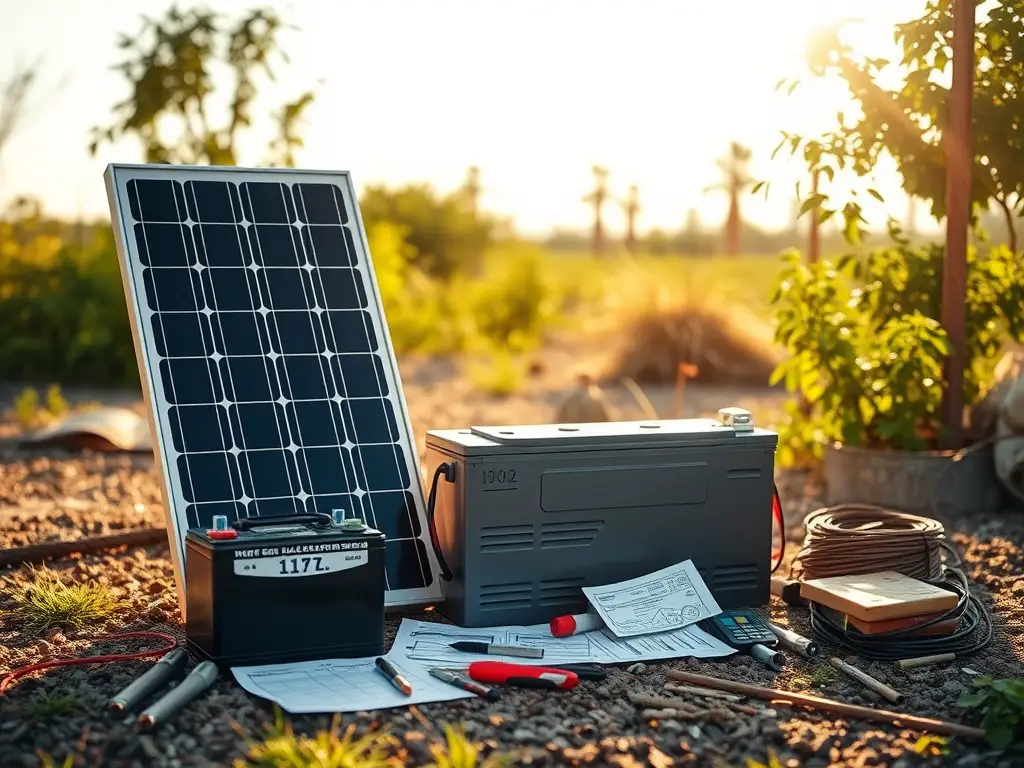
Picking the right solar panels can feel overwhelming with all the options out there, but it really comes down to efficiency and durability. If you want to power your backyard without sitting in the dark, you’ll need panels that generate enough energy while withstanding the elements. Look for high-efficiency monocrystalline panels—they might cost a little more upfront, but they’ll generate more power in a smaller space.

Another thing to consider is whether you need portable or fixed panels. If you have a pergola or a shed, mounting panels permanently makes sense. But if you’re setting up a temporary solution for outdoor events, portable or foldable panels can be a game-changer. I learned this the hard way when I installed fixed panels in a spot that ended up being too shady half the year—don’t make my mistake!


Storing Solar Energy for Night time Use

One of the biggest challenges with backyard solar is keeping the lights on after sunset. Without the right battery storage, all that energy goes to waste once the sun goes down. Lithium-ion batteries, like the Tesla Powerwall or Bluetti options, are great for storing solar energy efficiently.

If you’re on a budget, deep-cycle lead-acid batteries can work, but they require more maintenance and have a shorter lifespan. I once tried to cut corners with a cheaper battery setup, and let’s just say, I spent more time troubleshooting than enjoying my backyard. Invest in a good battery upfront, and you’ll thank yourself later.


Maximizing Solar Efficiency with Smart Placement

Solar panels work best when they get full sun for most of the day. That means avoiding spots with shade from trees, buildings, or even a tall fence. If you’re not sure where the best location is, try using a solar pathfinder app to track sunlight exposure throughout the day.

Another trick is to angle your panels correctly. For most of the U.S., tilting panels at an angle roughly equal to your latitude gives you the best year-round efficiency. In winter, a steeper tilt helps capture low-angle sunlight, while a flatter angle works better in summer. If you want to get fancy, an adjustable mount lets you tweak the angle as the seasons change.


Using Energy-Efficient Outdoor Lighting

Not all backyard energy needs to come from solar panels. Swapping out traditional floodlights for LED solar lights can drastically reduce power consumption. Motion-sensor lights are another great way to conserve energy while keeping your backyard safe.

I used to leave my backyard lights on all night, only to realize how much energy (and money) I was wasting. After switching to solar-powered LEDs with motion sensors, I cut my energy use without sacrificing security. Plus, these lights are easy to install—just stake them into the ground or mount them on a wall, and you’re good to go.


Smart Ways to Reduce Power Consumption

Even with the best solar setup, reducing energy waste is key to making it work efficiently. Start by using timers and smart plugs to control when your backyard devices turn on and off. For example, setting your outdoor string lights to shut off at midnight can save a surprising amount of power.

If you have a small outdoor fridge or water pump, look for energy-efficient models that use less electricity. And if you’re running a fountain or small pond pump, consider a direct solar-powered version that only runs when the sun is shining—no battery needed.


Backyard Solar Without Sitting in the Dark: A Clever Way to Cut Energy Bills

I’ve always liked the idea of solar—free energy from that big glowing thing in the sky. But every time I looked into it, I’d hit the same brick wall: massive costs, complicated installs, and some bloke in a high-vis vest trying to flog me a system bigger than my actual roof.

Then I came across Backyard Revolution—a compact, vertical solar system that actually makes sense for everyday people. It’s DIY-friendly, doesn’t require a mortgage to set up, and best of all, it works.


Where It Actually Makes Sense

Most people hear “solar” and think about powering an entire house. But that’s not where this shines. Instead, it’s perfect for:

  • Workshops & Sheds – Keep the power tools running without running an expensive mains connection.
  • Garages – Power up lights, chargers, and even small appliances without adding to your home’s electricity bill.
  • Caravans & Campers – Take it on the road and stay powered up wherever you park.
  • Off-Grid Cabins – Ideal for remote locations where getting connected to the grid costs a fortune.
  • Boats – A portable solution for keeping batteries topped up without relying on a marina hookup.
  • Emergency Backup – When the power cuts out, you won’t be the one fumbling for candles.

Why It Works

  • More power, less space – A smart vertical design means no giant rooftop arrays needed.
  • No big install bills – DIY-friendly, no need to hire an electrician.
  • Actually portable – Unlike traditional systems, you can move this where you need it.
  • Saves money – Helps cut energy costs without giving up your creature comforts.

To be honest, I wasn’t sure what to expect at first. But after looking into it, I realized this was one of the more practical solar solutions out there—designed for real people with real energy needs.


Final Thoughts on Backyard Solar

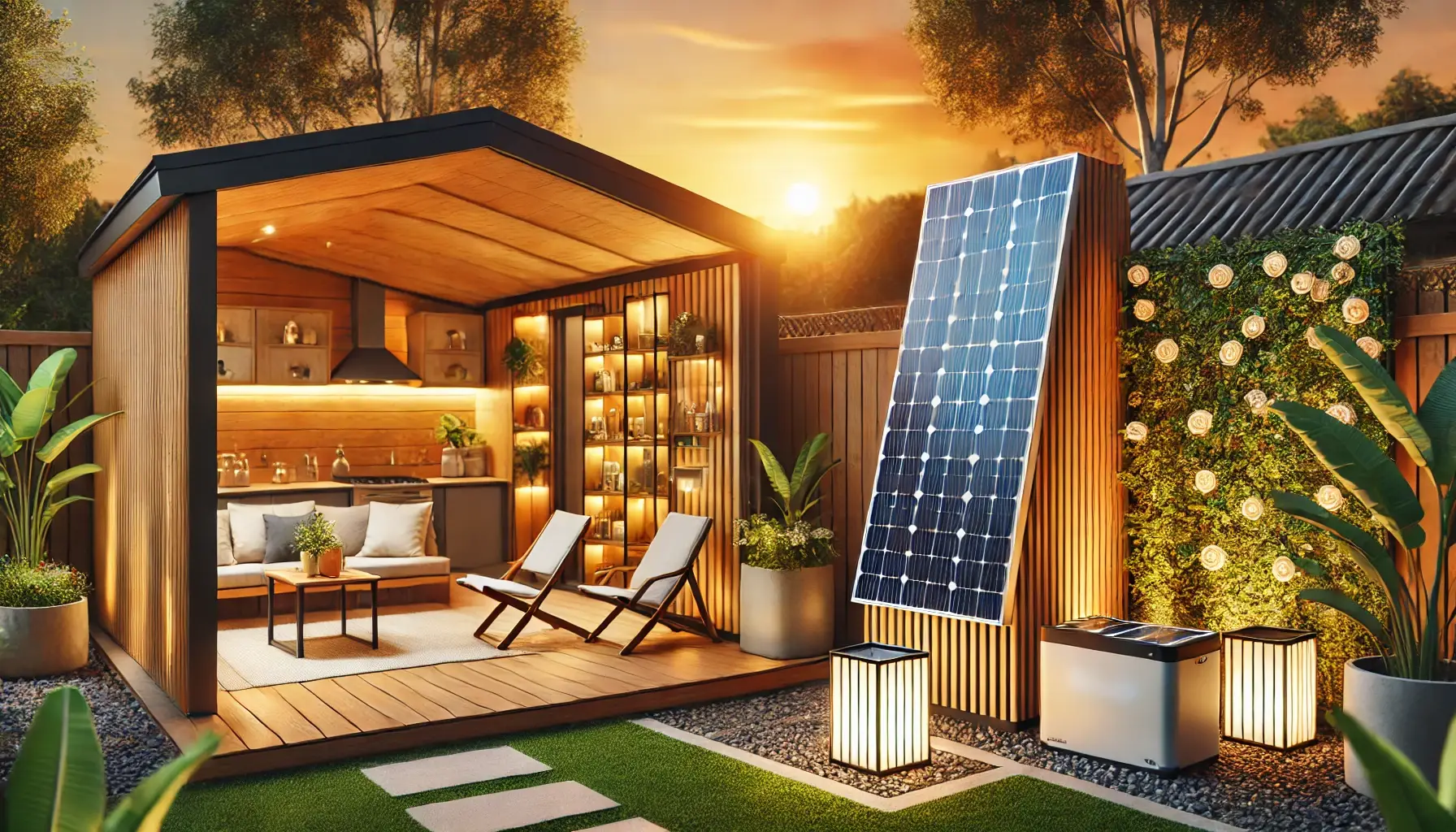
Backyard solar doesn’t have to mean sacrificing comfort or convenience. With the right panels, battery storage, and smart energy use, you can keep your outdoor space powered up without worrying about losing light when the sun goes down. Whether you’re lighting up a patio, running a water feature, or powering an outdoor kitchen, a well-planned solar setup can make your backyard both sustainable and functional.

And trust me—there’s nothing better than sitting outside under solar-powered lights, knowing you’re saving money and the environment at the same time.

Backyard Solar Without Sitting in the Dark is more than just an energy solution—it’s an opportunity to embrace sustainability while maintaining comfort. Apply these tips, stay consistent, and see the results for yourself in 2025!

Ready to Get Started?
If you need affordable, flexible solar power for your workshop, camper, or off-grid escape, check out Backyard Revolution here.


Guide to Choosing the Right Solar Panels

Guide to Choosing the Right Solar Panels


 Choosing the Right Solar Panels: A No-Nonsense Guide

Know Your Energy Needs

Before you even think about buying solar panels, figure out how much power you actually use. Grab a few months’ worth of electricity bills and check your average monthly consumption. This gives you a solid idea of the system size you need.

If you’ve got a high-energy household—think electric vehicles, big appliances, or a growing family—you’ll want a system that can handle future demand. Otherwise, you’ll be paying to upgrade sooner than you’d like.

Understanding Different Types of Solar Panels

Not all solar panels are the same, and choosing the right type depends on your needs and budget. Here’s the breakdown:

  • Monocrystalline Panels – Top-notch efficiency, long lifespan, and great for small roof spaces since they generate more power per square foot. The downside? They’re pricier.
  • Polycrystalline Panels – More budget-friendly but slightly less efficient. If you’ve got plenty of roof space, this could be a solid option without breaking the bank.
  • Thin-Film Panels – Lightweight and flexible, making them ideal for unique installations. That said, they’re not the best for maximizing energy output in a home setup.

Efficiency and Performance: What to Look For

Efficiency is key when it comes to solar panels. The higher the efficiency rating, the more electricity the panel produces with the same amount of sunlight. Look for panels with at least 18% efficiency—anything lower might not give you the best value.

Also, check the temperature coefficient—this tells you how well a panel performs in hot weather. The lower the coefficient, the better the panel will handle extreme heat without losing efficiency.

Durability and Warranty: Don’t Skimp on This

Solar panels aren’t a short-term investment, so durability matters. Stick with manufacturers offering at least 20 to 25 years of warranty. This means they stand by their product, and you won’t be left in the dark if something goes wrong.

Also, check the build quality. Panels with strong protective coatings and high-quality glass handle harsh weather better—whether it’s hail, storms, or heavy winds.

Installation Costs and Incentives

The price of solar panels isn’t just about the panels themselves. You’ve also got to factor in installation, inverters, mounting hardware, and labor costs. Always get multiple quotes from different installers to compare pricing and services.

Don’t forget to check for government incentives, tax credits, and rebates—these can significantly reduce the upfront cost. In 2025, the U.S. federal solar tax credit still covers 30% of installation costs, so make sure you claim that if you’re eligible.

Choosing a Reliable Solar Panel Brand

Brand matters when you’re investing in something that’s meant to last decades. Here are some of the top names to consider:

  • SunPower – High efficiency, great warranties, but on the pricier side.
  • LG Solar – A mix of efficiency and aesthetics.
  • Panasonic – Built to perform even in extreme weather.
  • Canadian Solar – A budget-friendly but reliable choice.

Reading customer reviews and independent performance tests will help you avoid dodgy products.

Buying vs. Leasing: What’s the Best Option?

If the upfront cost feels like a stretch, you might be tempted to lease solar panels instead of buying. Here’s the reality:

  • Leasing – Little to no money down, but you don’t own the system. No tax credits, no rebates, and you’ll be paying a monthly fee.
  • Buying – Higher upfront cost, but you get the savings and own the system. Plus, it adds value to your home. If you can afford the initial investment or finance it, this is the smarter long-term move.

Do You Need a Battery Backup?

If you want to store excess energy for nighttime use or power outages, a solar battery might be a good investment. Some popular choices include:

  • Tesla Powerwall (possible affiliate link)
  • LG Chem RESU (possible affiliate link)
  • Enphase Encharge (possible affiliate link)

Batteries add to the overall cost, but they’re worth considering if your area has time-of-use electricity rates or frequent blackouts.

Work with a Certified Installer

Even the best solar panels won’t perform properly if they’re installed wrong. Always go with a certified solar installer—preferably one accredited by NABCEP or another recognized certification body.

A good installer will:

  • Assess your site
  • Handle permits
  • Ensure optimal system performance

Don’t just go for the cheapest quote—check reviews, ask for references, and make sure they have experience with residential installations.

Final Thoughts

Solar panels are a long-term investment, so take the time to choose the right system for your energy needs, budget, and future plans. Get quotes, compare brands, and take advantage of any incentives available. If you do it right, you’ll not only cut your energy bills but also increase your home’s value while reducing reliance on the grid.

Cost of Plumbing a New House:

Cost of Plumbing a New House:


The Cost of Plumbing a New House

Discover the best strategies for managing the cost of plumbing a new house in 2025. Learn practical advice to ensure a smooth and budget-friendly plumbing installation.

Did you know that the cost of plumbing a new house can vary significantly depending on the region and materials used? Whether you’re planning a complete home build or a major renovation, this guide has everything you need to succeed in 2025.


Understanding the Costs of Plumbing a New House in 2025

Plumbing a new house is one of those expenses that can sneak up on you if you’re not prepared. Whether you’re building your dream home or an investment property, understanding plumbing costs beforehand can save you from surprises. Let’s break down the key factors affecting plumbing costs and how you can plan effectively.


Factors That Influence Plumbing Costs

Several factors determine how much your plumbing system will cost. It’s not just about pipes and fixtures—there’s a lot more that goes into the final price tag.

Size and Layout of the House

The bigger your home, the more plumbing it needs. A single-story house with two bathrooms will cost significantly less than a three-story home with four bathrooms and a basement kitchen. The complexity of the layout also matters—if pipes have to be routed around obstacles or across long distances, labor and material costs increase.

Number of Fixtures and Appliances

Every sink, toilet, shower, and water-using appliance adds to the cost. More fixtures mean more pipes, fittings, and labor. If you’re going for high-end features like rain showers, jacuzzi tubs, or smart water systems, expect to pay a premium.

Type of Plumbing Materials

Your choice of materials plays a huge role in pricing. PEX piping is more affordable and easier to install than copper, but copper lasts longer and is more durable. PVC is commonly used for drainage systems, while cast iron, though expensive, is still preferred for noise reduction in multi-story homes.

Labor Costs

Plumbing is a skilled trade, and good plumbers don’t come cheap. Costs vary based on location, experience, and complexity of the job. In urban areas, labor rates can be significantly higher than in rural regions.


Average Plumbing Costs for a New House in 2025

While prices vary based on the factors above, here’s a general idea of what you might expect to pay:

  • Basic single-family home (1,500–2,000 sq. ft., 2 bathrooms): $8,000–$15,000
  • Mid-range home (2,500–3,500 sq. ft., 3–4 bathrooms): $15,000–$30,000
  • Luxury home (4,000+ sq. ft., multiple bathrooms, custom features): $30,000+

These estimates include rough-in plumbing (installing pipes before walls go up) and fixture installation but don’t cover high-end features like water filtration systems or smart home plumbing.


Money-Saving Tips for Plumbing a New House

Plumbing costs can add up quickly, but there are ways to keep expenses in check without sacrificing quality.

Plan Your Plumbing Layout Wisely

Keeping bathrooms and kitchens close together reduces the amount of piping needed. A well-thought-out design can significantly cut labor and material costs.

Opt for Cost-Effective Materials

PEX piping is a great alternative to copper, offering durability at a lower cost. PVC is a budget-friendly choice for drainage systems. Make sure to discuss options with your plumber to find the best balance between cost and longevity.

Get Multiple Quotes

Never settle for the first estimate. Get at least three quotes from reputable plumbers to compare prices and services. Be wary of prices that seem too good to be true—they often are.

Do Some Work Yourself (If Possible)

While plumbing should be left to professionals, you might save on labor by doing minor tasks like digging trenches for pipes or installing basic fixtures. Just make sure your work meets local building codes.

Consider a Tankless Water Heater

Traditional water heaters with storage tanks use more energy and take up space. Tankless water heaters are more expensive upfront but can save money in the long run by reducing energy bills.


The Importance of Hiring a Qualified Plumber

It’s tempting to go with the cheapest option, but cutting corners on plumbing can lead to expensive repairs later. A licensed plumber ensures your system meets local codes and functions properly. Poor installation can result in leaks, water damage, and inefficiencies that cost more over time.

When hiring a plumber, check their credentials, read reviews, and ask for references. A good plumber will provide a detailed estimate and explain the work involved.Go online to one of the many resources like the Better Business Bureau (BBB) What it does: The BBB is a trusted resource for finding reputable businesses, including plumbers. It provides ratings, reviews, and accreditation status. Key features: Business ratings from A+ to F. Customer reviews and complaint history. Accreditation for businesses that meet BBB standards. Website: www.bbb.org


Final Thoughts

Understanding the costs of plumbing a new house in 2025 helps you budget effectively and avoid unexpected expenses. While plumbing is a significant investment, smart planning and informed decisions can help you save money without compromising quality. Whether you’re building a modest home or a luxury residence, knowing what to expect ensures a smoother and more cost-efficient project.


Plumbing a new house is more than just an activity—it’s an opportunity to create a comfortable and efficient living space. Apply these tips, stay consistent, and see the results for yourself in 2025!


How to Build a Small DIY Solar System (Without Losing Your Mind)
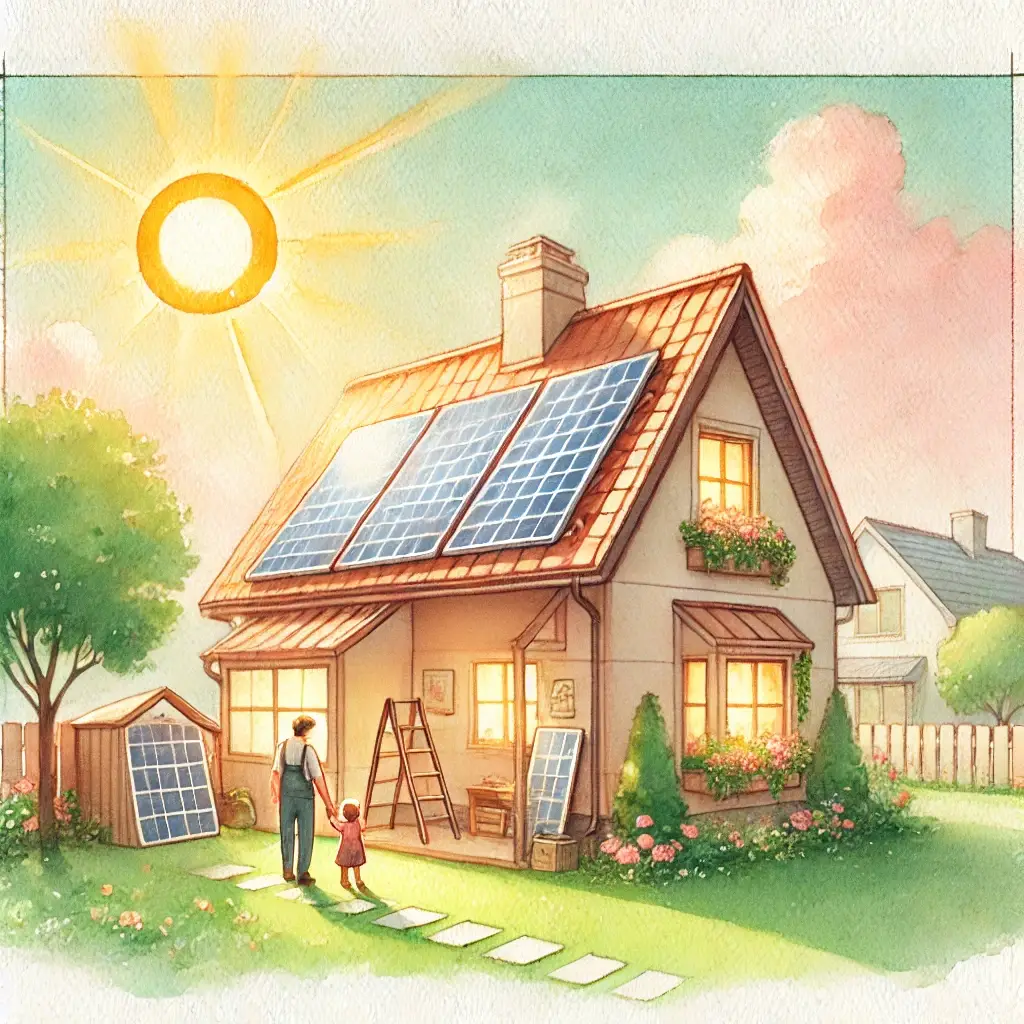
How to Build a Small DIY Solar System (Without Losing Your Mind)


How to Build a Small DIY Solar System (Without Losing Your Mind)

Discover the best How to Build a Small DIY Solar System (Without Losing Your Mind) techniques and tips for 2025. Learn practical advice to successfully set up your own solar power system at home. 

Did you know that installing a  DIY solar system  can reduce your electricity bills by up to 50%? Whether you’re looking to save money or go green, this guide has everything you need to succeed in 2025.

Understand Your Energy Needs

Before you start buying solar panels and batteries, take a step back and figure out exactly what you need. Are you looking to power a small off-grid cabin? Maybe you just want to charge your phone and laptop while camping. Whatever it is, knowing your energy requirements will save you time, money, and frustration.

Start by listing all the devices you plan to power and their wattage. Then, estimate how many hours per day you’ll use them. Multiply watts by hours to get watt-hours (Wh), which will give you a rough idea of your daily energy consumption.

For example, if you want to power a 60W laptop for 5 hours a day:

60W × 5 hours = 300Wh per day 

Once you have your daily energy consumption, you can size your solar panel and battery accordingly.

Choose the Right Solar Panels

Not all solar panels are created equal. There are three main types:

  • Monocrystalline – Most efficient and long-lasting, but also the most expensive.
  • Polycrystalline – Slightly less efficient but more affordable.
  • Thin-film – Lightweight and flexible, but not very efficient.

For a small DIY project, monocrystalline panels are usually the best choice. They take up less space and generate more power in low-light conditions. If you’re on a tight budget, polycrystalline panels can still get the job done.

Make sure to check the wattage of the panel. If you need 300Wh per day and you get about 5 hours of good sunlight daily, you’ll need at least a 60W panel (since 60W × 5 hours = 300Wh). Always round up to account for inefficiencies.

Selecting the Right Battery

Your battery stores the energy for use at night or during cloudy days, ensuring that you have a reliable power source even when sunlight is not abundant. This capability is crucial for maximizing the efficiency of your solar energy system. The two most common types for small solar systems are: deep cycle batteries, which provide a steady power supply over a long period, and lithium-ion batteries, known for their high energy density and longer lifespan. Both options offer distinct advantages depending on your energy needs and budget, making it essential to consider your specific situation when choosing the right battery for your solar setup.

  • Lead-acid batteries – Cheap but bulky and require maintenance.
  • Lithium-ion batteries – More expensive but last longer and require no maintenance.

If you want something reliable and long-lasting, go with lithium iron phosphate (LiFePO4) batteries. Yes, they cost more upfront, but they last 5-10 times longer than lead-acid batteries.

To size your battery, match it to your daily consumption. If you use 300Wh per day, you need a battery that can store at least that much energy. Since batteries are rated in amp-hours (Ah) at a specific voltage, use this formula:

Watt-hours ÷ Battery Voltage = Amp-hours

For example, if you’re using a 12V battery:

300Wh ÷ 12V = 25Ah

Since you don’t want to fully discharge your battery (especially for lead-acid), get something with at least 50Ah for safety.

Picking a Charge Controller

A charge controller protects your battery from overcharging and ensures it charges efficiently. There are two types:

  • PWM (Pulse Width Modulation) – Cheaper but less efficient. Best for small systems.
  • MPPT (Maximum Power Point Tracking) – More expensive, but extracts more power from your panels.

If you’re on a budget and using a small solar panel (under 100W), a PWM controller will work fine. But if you want the best performance and plan to expand your system, go with an MPPT controller.

To size it, check your panel’s voltage and current rating. If your panel is 12V and outputs 5A, a 10A charge controller will be enough. Always get one that’s slightly larger than your panel’s output.

Choosing an Inverter (If Needed)

If you plan to power AC devices (like a regular laptop charger or a small fridge), you’ll need an inverter to convert DC (battery power) into AC.

There are two types:

  • Modified sine wave – Cheap but not great for sensitive electronics.
  • Pure sine wave – More expensive but ensures smooth operation.

For most applications, a pure sine wave inverter is the way to go. It prevents weird buzzing noises in appliances and avoids damaging sensitive electronics.

To size your inverter, check the wattage of the devices you’ll power. If you plan to run a 300W laptop charger, get at least a 500W inverter to handle startup surges.

Wiring and Safety Considerations

Now that you have all your components, it’s time to connect them. Follow this basic wiring order:

  1. Solar Panel → Charge Controller
  2. Charge Controller → Battery
  3. Battery → Inverter (if using AC devices)

Use the right wire gauge to prevent overheating. If your system pulls up to 10A, use 10 AWG wire or thicker. For higher currents, consult an online wire gauge calculator.

Also, install fuses between components to prevent short circuits. A 15A fuse between the charge controller and battery is a good starting point for small systems.

Testing and Fine-Tuning Your System

Before permanently mounting everything, test your system. Check:

  • If the solar panel is charging the battery.
  • If the charge controller is regulating voltage properly.
  • If the inverter runs your devices without issues.

Monitor power usage over a few days to see if you need more battery capacity or an extra panel.

Final Thoughts

Building a small DIY solar system might seem overwhelming at first, but if you break it down step by step, it’s totally doable. The key is to size everything correctly and use quality components to avoid frustration later.

Once you get the hang of it, you might even find yourself expanding your setup for more power-hungry devices. Happy solar building!

How to Build a Small DIY Solar System (Without Losing Your Mind) is more than just an activity—it’s an opportunity to generate clean energy and save money. Apply these tips, stay consistent, and see the results for yourself in 2025!


DIY Solar Power: Is It Really Worth It?

DIY Solar Power: Is It Really Worth It?

DIY Solar Power: Is It Really Worth It?

Ah, the sun. That great fiery orb in the sky tirelessly beams down enough energy in an hour. It can power the world for a year. It’s almost rude not to take advantage of it, don’t you think? Here’s a question for you. Can an ordinary homeowner with a ladder, a toolbox, and a dream really harness that power? And more importantly, is it worth the effort? Let’s embark on a journey through the world of DIY solar power. This journey is filled with numbers, real-world examples, and a dash of wit. By the end, you’ll know if a Backyard Revolution-style system is truly the golden ticket to energy independence. Or is it just a shiny distraction?


🔋 1. Cost vs. Savings

How much does it really cost to go solar?

Let’s start with the cold, hard cash. A professionally installed solar system can cost anywhere from 15,000 to 25,000. This depends on the size of your home and energy needs. But a DIY system? That’s a different story. With a DIY home solar system setup, you’re looking at a much more palatable $2,000 to $5,000. That’s because you’re cutting out the middleman (and their labor costs) and doing the work yourself.

Real-World Example:
Imagine you’re an average U.S. household, using about 877 kWh (kilowatt-hours) of electricity per month. A DIY solar system might cost you $5,000 up front. Compare that to a professional system, which could cost up to $20,000. Even with tax credits and incentives, the DIY route is far kinder to your wallet.


How much can you save on electricity bills?

Now, let’s talk savings. The average U.S. electricity rate is about $0.16 per kWh. If your DIY system generates, say, 500 kWh per month (enough to cover a good chunk of your usage), you’re saving:

Formula:
Monthly Savings = Energy Generated (kWh) × Electricity Rate (/kWh) / Monthly Savings=500 kWh×/kWh) Monthly Savings=500 kWh × 0.16 / kWh = $80

Over a year, that’s  $960 in savings. Not too shabby for a system that cost you $2,000.


How long does it take to break even on a solar investment?

This is where the magic of math comes in. To find out how long it’ll take to recoup your investment, use this formula:

Formula:
Payback Period (years) = Total System Cost ÷ Annual Savings
Payback Period = 2,000÷2,000÷960 ≈ 2.1 years

In just over two years, your system has paid for itself. After that, it’s pure profit. Compare that to a professional system, which might take 7 to 10 years to break even, and you can see why DIY is so appealing.


🔋 2. DIY vs. Hiring a Pro

Can you install solar panels yourself?

The short answer: yes. The long answer: yes. It requires a bit of elbow grease. You also need a dash of common sense. Additionally, you must have a willingness to follow instructions. Solar panels aren’t rocket science. However, you’ll need to do some basic wiring. You’ll also need to mount the panels securely. Make sure everything is up to code.


Common mistakes DIYers make (and how to avoid them)

  1. Improper Panel Placement:
    Panels need sunlight. Shocking, I know. But placing them in the shade or at the wrong angle can drastically reduce efficiency.
    Solution: Aim for a south-facing roof (in the Northern Hemisphere) with a tilt angle equal to your latitude.
  2. Skipping Permits:
    Yes, permits are boring. But getting caught without one can lead to fines or even having to dismantle your system.
    Solution: Check local regulations and get the necessary paperwork.

How the Backyard Revolution system makes DIY solar easier

The Backyard Revolution system is like having a friendly solar guru holding your hand through the process. It provides step-by-step instructions, a list of affordable materials, and tips for maximizing efficiency. It’s designed for ordinary folks. They don’t need a degree in electrical engineering but still want to take control of their energy future.


🔋 3. Efficiency & Performance

Does a small backyard system generate enough power?

Absolutely. A well-designed DIY system can generate enough power to cover a significant portion of your energy needs. For instance, a 2 kW system is on the smaller side. It can produce about 200-300 kWh per month. The production depends on your location and sunlight exposure.

Real-World Example:
If your system generates 250 kWh per month and you’re paying 0.16 per kWh, that’s 0.16 per kWh, that’ $40 in savings every month. Over a year, that’s 480. Not bad for a system that cost you $2,000.


How to maximize solar energy output

  1. Optimal Placement:
    As mentioned earlier, south-facing panels with the right tilt angle are key.
  2. Regular Maintenance:
    Dust, dirt, and bird droppings can reduce efficiency. Clean your panels every few months.
  3. Use a Solar Battery:
    Storing excess energy for cloudy days or night time use can significantly boost your system’s effectiveness.

What happens on cloudy days or in winter?

Solar panels don’t just stop working when the sun plays hide-and-seek. They still generate power, albeit at a reduced rate—typically 10-25% of their maximum output. In winter, shorter days and snow cover can further reduce efficiency. With a well-designed system and a backup battery, you’ll still have power when you need it.

Formula:
Reduced Output = Maximum Output × Efficiency Reduction (%)
Reduced Output = 250 kWh × 0.25 = 62.5 kWh

Even on a cloudy day, you’re still generating some power.


🔗 Why a Backyard Revolution-Style System is a Smart Investment

Let’s be honest: the world of solar power can feel overwhelming. A DIY system like Backyard Revolution simplifies the process. It becomes accessible to anyone with a bit of determination and a willingness to learn. The upfront costs are lower. Homeowners experience significant savings on electricity bills. Plus, there is the satisfaction of building something yourself. It’s a no-brainer for homeowners looking to take control of their energy future.

Final Real-World Example:
Imagine you’re that average U.S. household again. You spend $2,000 on a DIY solar system. You save $960 a year on electricity. You break even in just over two years. After that, you’re essentially getting free power for the life of the system (which can be 25 years or more). That’s not just smart—it’s brilliant.

So, is DIY solar power worth it? For most homeowners, the answer is a resounding yes. With the right system, you can enjoy the benefits of solar energy. A little effort means avoiding the high costs of professional installation. Ready to take the leap? Your backyard could be the key to a brighter, more sustainable future.