by John Fryer | Jan 12, 2025 | Dogs, Tail-Wagging Tips
The ‘Stay’ Command for Large Dogs: A Beginner’s Guide
meta: Master the ‘Stay’ command for large dogs with this beginner’s guide! Discover step-by-step training tips, common challenges, and expert advice to help your big pup learn this essential obedience skill.
Master the ‘Stay’ command for large dogs with this beginner’s guide! Discover step-by-step training tips, common challenges, and expert advice to help your big pup learn this essential obedience skill.
Why Teaching the ‘Stay’ Command Is Crucial for Large Dogs
Obedience training is essential for all dogs, but it’s especially critical for large breeds. Their size and strength can make them harder to manage if they’re not properly trained, which is why commands like “Stay” are so important. A well-trained large dog is not only a joy to be around but also safer for you, your family, and the dog itself.
Teaching “Stay” offers numerous safety benefits. Imagine you’re out for a walk and encounter a busy street or another dog. A large dog that knows how to stay on command can avoid potentially dangerous situations. Even at home, “Stay” can prevent accidents, like keeping your dog from bolting out the door or jumping on guests.
Beyond safety, mastering “Stay” can improve your dog’s overall behavior. It requires focus and patience, which helps calm even the most energetic dogs. Plus, working on this command strengthens the bond between you and your dog, as it builds trust and communication.
There are countless real-life scenarios where “Stay” proves invaluable. For example, during vet visits, having your dog stay calm and still can make the experience less stressful for everyone involved. Similarly, when children are around, a large dog that knows to stay in place can prevent accidental knocks or scares.
Understanding Large Dog Behavior and How It Impacts Training
Large dogs often have different temperaments and energy levels compared to smaller breeds. While some large dogs are naturally mellow, others can be high-energy or easily distracted. These differences impact how you approach training.
One unique challenge with large dogs is their strength. If your dog decides to ignore a command, it can be physically difficult to control them. Stubbornness or a tendency to get distracted can also complicate training. That’s why patience, consistency, and positive reinforcement are key.
Understanding what motivates your dog is crucial. Some large dogs respond best to treats, while others may prefer toys or verbal praise. Identifying what works for your dog will make training sessions more effective and enjoyable.
Step-by-Step Guide to Teaching the ‘Stay’ Command
Preparing for Training
Start by choosing a quiet, distraction-free space for training. Gather tools like high-value treats or a clicker if you use one. This will set both you and your dog up for success.
Breaking Down the Process
Step 1: Start with the ‘Sit’ Command
Before teaching “Stay,” make sure your dog has mastered “Sit.” This provides a solid foundation for the next steps.
Step 2: Introduce the ‘Stay’ Command
Once your dog is sitting, use a hand signal (such as an open palm facing them) and say “Stay” in a calm, firm voice. Take a small step back, then immediately return and reward your dog if they stay in place.
Step 3: Increase Distance and Duration
Gradually increase the distance you step away and the length of time your dog stays in place. Always return to your dog before rewarding them, so they don’t break the command.
Tips for Success
Reinforce the behavior with plenty of praise and rewards. Avoid common mistakes, like moving too quickly through the steps or overusing the command. Patience is key—training takes time.
Common Challenges When Teaching ‘Stay’ to Large Dogs (and How to Overcome Them)
Large dogs can present unique challenges during training. For instance, some may have short attention spans or high energy levels, making it hard for them to focus. In such cases, keep training sessions short and engaging.
Fear or anxiety can also interfere with training. If your dog seems nervous, create a positive and relaxed environment. Use gentle encouragement and rewards to build their confidence.
If your dog frequently breaks the “Stay” command, it’s a sign you may be increasing the difficulty too quickly. Take a step back and reduce the distance or duration, then gradually work your way up again.
Distractions can be another hurdle, especially during outdoor training. Start in a controlled environment and slowly introduce distractions, like toys or other people, to help your dog learn to focus.
Advanced Training Techniques to Strengthen the ‘Stay’ Command
Once your dog has mastered the basics, it’s time to level up their training. Begin introducing distractions gradually, such as practicing “Stay” while someone walks by or while other dogs are nearby.
Real-world environments, like parks or busy streets, are great places to test your dog’s obedience. Make sure to keep them on a leash initially for safety.
Duration training is another advanced technique. Slowly extend how long your dog can hold the “Stay” command, rewarding them for their patience. Over time, transition from using treats to verbal praise to ensure the behavior remains consistent.
Having the right tools can make training more effective. Clickers, long leashes, and high-value treats are excellent for teaching commands like “Stay.”
There are also numerous training apps and online resources available for dog owners. Many offer step-by-step guides, video tutorials, and tips tailored to specific breeds.
If you prefer hands-on guidance, consider enrolling in a local obedience class or hiring a professional trainer who specializes in large breeds. Books and videos focused on large dog training can also provide valuable insights.
Signs Your Dog Has Mastered the ‘Stay’ Command
You’ll know your dog has mastered “Stay” when they reliably follow the command in a variety of situations. Test their obedience in different environments, such as at home, in the yard, or on walks.
Celebrate milestones, like successfully holding a “Stay” in a busy area, to reinforce the positive behavior. However, remember that ongoing practice is essential to keep the skill sharp.
FAQs About Teaching the ‘Stay’ Command to Large Dogs
How long does it take to teach a large dog the ‘Stay’ command?
The time varies depending on the dog’s age, temperament, and prior training. With consistent practice, most dogs can learn the basics within a few weeks.
What should I do if my dog refuses to stay?
Go back to basics. Shorten the distance and duration, and use higher-value rewards to motivate your dog.
Can older dogs learn the ‘Stay’ command, or is it only for puppies?
Absolutely! While puppies may pick up commands faster, older dogs are fully capable of learning with patience and consistency.
What’s the best age to start training large dogs?
It’s ideal to start training as early as possible—around 8 to 12 weeks old. However, it’s never too late to begin training, regardless of your dog’s age.
Conclusion
This guide provides a comprehensive roadmap for teaching the ‘Stay’ command to large dogs. By following these tips and techniques, you can ensure your dog masters this essential obedience skill, enhancing their safety and your bond together.
by John Fryer | Jan 12, 2025 | Dogs, Tail-Wagging Tips
How to Teach Your Large Dog to Sit in 5 Easy Steps
meta: Learn how to teach your large dog to sit in just 5 easy steps! This step-by-step guide is perfect for dog owners looking to train their big furry friends quickly and effectively.
Learn the importance and step-by-step process of teaching your large dog to sit, ensuring better obedience and safety.
Why Teaching Your Large Dog to Sit is Important
Teaching your large dog to sit is more than just a fun trick—it’s a foundational skill that benefits both you and your dog in many ways. Basic obedience is crucial for large dogs because their size and strength can make them more challenging to manage compared to smaller breeds. A well-trained dog is not only easier to handle but also safer to have around others.
The “sit” command is a cornerstone of good behavior. It’s often the first step in teaching your dog self-control, helping them learn to stay calm in various situations. For large breeds, this is especially important because they can easily overpower someone if they jump or get overly excited. Teaching your dog to sit can prevent accidents and ensure they interact safely with people and other animals.
Beyond safety, training your dog to sit strengthens the bond between you and your pet. The process of teaching and learning builds trust and mutual respect, making your relationship more rewarding.
Before you start training, it’s important to gather the right tools and set the stage for success. You’ll need some tasty treats that your dog loves, a clicker (if you choose to use one), and a leash to help guide them. These tools will make the training process smoother and more effective.
Choose a distraction-free environment for your training sessions. This could be a quiet room in your house or a fenced backyard. The fewer distractions there are, the easier it will be for your dog to focus on you.
Patience and consistency are key. Dogs don’t learn overnight, and large breeds, in particular, might need a little extra time to grasp the concept. Always use positive reinforcement—rewarding good behavior with treats and praise—rather than punishment. This approach encourages learning and builds trust.
Step 1: Get Your Dog’s Attention
The first step in teaching your dog to sit is getting their attention. Start by calling their name in a cheerful tone. This helps them focus on you and signals that something fun is about to happen.
Once you have their attention, use a treat to capture their interest. Hold the treat close to their nose so they can smell it, but don’t let them grab it just yet. Maintaining eye contact during this step is important, as it helps establish a connection and keeps them engaged.
Step 2: Use a Treat to Lure Them into Position
Now that you have your dog’s attention, use the treat to guide them into the sitting position. Hold the treat close to their nose and slowly move it upward and slightly backward. As their head tilts up to follow the treat, their bottom will naturally lower to the ground.
Be patient during this step. If your dog doesn’t sit right away, don’t force them. Instead, reset and try again, keeping the motion slow and deliberate.
Step 3: Add the Verbal Command
As soon as your dog’s bottom touches the ground, introduce the verbal command “sit.” Say the word in a calm, clear tone so they can associate the action with the command.
Timing is everything here. Make sure to say “sit” at the exact moment their bottom hits the ground. This helps reinforce the connection between the word and the behavior.
Step 4: Reward and Reinforce the Behavior
Immediately reward your dog with the treat and plenty of praise. Verbal affirmations like “Good dog!” reinforce positivity and make the experience enjoyable for them.
Repeat this process several times during each training session. Consistency is key to helping your dog understand and remember the command.
Step 5: Practice in Different Environments
Once your dog has mastered the “sit” command in a quiet, controlled environment, it’s time to up the ante. Gradually introduce distractions to test their ability to focus. Start by practicing in your backyard, then move to a park or other public spaces.
Be patient as your dog adjusts to these new environments. It’s normal for them to struggle at first, but with consistent practice, they’ll learn to obey the command no matter where they are.
Troubleshooting Common Challenges
Training a large dog to sit isn’t always smooth sailing. Some dogs may struggle with focus or seem stubborn. If this happens, try shortening your training sessions to keep them engaged. You can also increase the value of the treats you’re using to make the reward more enticing.
If your dog shows signs of frustration, such as whining or turning away, take a break. Training should be a positive experience, so it’s important to recognize when they need a moment to reset.
How Long Does It Take to Teach a Large Dog to Sit?
Every dog is different, but most large dogs can learn to sit within 1-2 weeks of daily practice. Factors like age, temperament, and previous training experience can influence how quickly they pick up the command.
Celebrate small wins along the way. Even if progress feels slow, consistency and positive reinforcement will pay off in the end.
Tips for Maintaining the ‘Sit’ Command Over Time
To keep the “sit” command fresh in your dog’s mind, incorporate it into your daily routines. For example, ask them to sit before meals, during walks, or when greeting guests.
Occasional reinforcement training is also helpful. Set aside time every few weeks to practice the command and reward their compliance. Keeping training sessions fun and rewarding will ensure your dog continues to respond reliably over time.
Conclusion
Teaching your large dog to sit is a rewarding process that strengthens your bond and ensures better behavior. With patience, consistency, and positive reinforcement, you can achieve lasting success.
by John Fryer | Jan 11, 2025 | Dogs, Tail-Wagging Tips
Basic Obedience Training for Large Dogs: A Complete Guide for 2025
meta: Learn how to master basic obedience training for large dogs with this complete guide. From essential commands to training tips tailored for big breeds, we cover everything you need to raise a well-behaved, happy pup in 2025.
Why Obedience Training is Essential for Large Dogs
Large dogs come with unique challenges due to their size and strength. A playful jump or an unintentional pull on the leash from a large dog can easily cause accidents or injuries. This makes obedience training not just a nice-to-have but an absolute necessity.
Training ensures safety for both the dog and those around them. A well-trained dog is less likely to act unpredictably, reducing the risk of harm in social or public settings. Beyond safety, obedience training offers several benefits: it improves your dog’s behavior, strengthens the bond between you and your pet, and makes outings more enjoyable and stress-free.
On the other hand, skipping training can lead to serious risks. Without proper guidance, large dogs may develop problematic behaviors like aggression, excessive barking, or lack of control in high-stimulation environments. These issues can escalate over time, making them harder to address later.
Preparing for Training: What You’ll Need
Before starting obedience training, it’s important to gather the right tools. For large dogs, you’ll need:
- A durable leash and collar (or harness) that can handle their strength.
- High-value training treats tailored to your dog’s preferences to keep them motivated.
- A clicker for clicker training, which is optional but can be very effective.
- A comfortable training space free of distractions to help your dog focus.
Equally important is preparing your dog mentally and physically. Make sure your dog has had some exercise beforehand to burn off excess energy, but not so much that they’re too tired to engage. Consistency and patience are key when working with large breeds. Dogs thrive on routine, so aim to train at the same time each day and keep sessions short and positive.
Teaching Basic Commands: Step-by-Step Guide
Sit
The “sit” command is foundational for large dogs, as it helps manage their size in various situations.
- Hold a treat close to your dog’s nose and slowly move it upward.
- As their head follows the treat, their bottom will naturally lower to the ground.
- The moment they sit, say “sit” and reward them with the treat and praise.
Avoid common mistakes like repeating the command too many times or rewarding your dog when they haven’t fully sat down.
Stay
Teaching “stay” requires patience but is crucial for safety.
- Start with your dog in a sitting position.
- Hold your hand out, palm facing them, and say “stay.”
- Take a small step back, and if they remain in place, reward them immediately.
- Gradually increase the distance and duration over time.
High-energy breeds may struggle with focus, so keep sessions short and engaging. Real-life scenarios like crossing busy streets highlight the importance of this command.
Come
A reliable recall is essential, especially for large dogs who can cover significant ground quickly.
- Start in a low-distraction environment.
- Crouch down, use an enthusiastic tone, and say “come” while holding out a treat.
- Reward your dog the moment they approach you.
If your dog doesn’t respond, avoid chasing them. Instead, use a long leash to gently guide them back and reward them for returning.
Leave It
The “leave it” command can prevent dangerous situations, such as your dog picking up harmful objects.
- Place a treat in your hand, show it to your dog, and close your fist.
- When they stop trying to get the treat, say “leave it” and reward them with a different treat.
- Gradually increase the difficulty by using more tempting items or practicing in distracting environments.
Incorporating games like “find the treat” can make learning this command fun and engaging.
Addressing Common Training Challenges for Large Breeds
Training large dogs isn’t without its hurdles. Stubbornness or independent behavior can make progress slow, but consistency and positive reinforcement will eventually pay off. High energy levels can also be a challenge, so ensure your dog gets adequate exercise before training sessions.
For rescue dogs or older large dogs with no prior training, patience is critical. Build trust first before diving into commands. Common issues like leash pulling or jumping can be addressed by redirecting their behavior with commands like “sit” or “heel” and rewarding calm behavior.
Socialization: An Essential Part of Obedience Training
Socialization is just as important as teaching commands. Large dogs need to be comfortable in various environments and around different people and animals. Start by introducing your dog to new experiences gradually, rewarding calm behavior.
If your dog shows signs of fear or aggression, don’t force interactions. Instead, work on desensitizing them in a controlled environment. Group obedience classes can be a great way to combine training with socialization, offering your dog the opportunity to interact with others in a structured setting.
The Role of Positive Reinforcement in Training
Positive reinforcement is one of the most effective training methods for large dogs. Rewards such as treats, praise, or playtime motivate your dog to repeat desired behaviors. Timing is crucial—reward your dog immediately after they perform the desired action to reinforce the connection.
Avoid punishment-based methods, as they can lead to fear, anxiety, or even aggression. Instead, focus on setting your dog up for success and celebrating their progress.
Advanced Obedience Training for Large Dogs
Once your dog has mastered basic commands, you can progress to advanced training. Commands like “heel” and “place” build on their foundation and improve control. Teaching off-leash obedience is another valuable skill, especially for large dogs who enjoy exploring.
Incorporating agility or advanced tricks not only provides mental stimulation but also strengthens your bond with your dog. Advanced training challenges your dog to think critically and deepens their trust in you.
Maintaining Consistency and Progress Over Time
Training doesn’t stop once your dog learns a command. Regular practice is essential to reinforce what they’ve learned. Incorporate training into daily routines, such as practicing “stay” during meals or “come” during walks.
Celebrate milestones to keep training enjoyable for both you and your dog. As your dog matures or develops new habits, adjust your training methods to suit their evolving needs.
When to Seek Professional Help
Sometimes, professional help is necessary, especially if your dog shows persistent aggression, fear, or other behavioral issues. Look for trainers experienced with large breeds who use positive reinforcement methods.
Private sessions can offer personalized attention, while group classes provide socialization opportunities. Costs vary, but investing in professional training can make a significant difference in your dog’s behavior and overall quality of life.
Conclusion
This guide provides actionable steps to train large dogs effectively, ensuring a well-behaved, happy companion. By following the outlined strategies, you can build a strong bond with your dog while addressing challenges unique to large breeds.
by John Fryer | Jan 7, 2025 | Sea Fishing
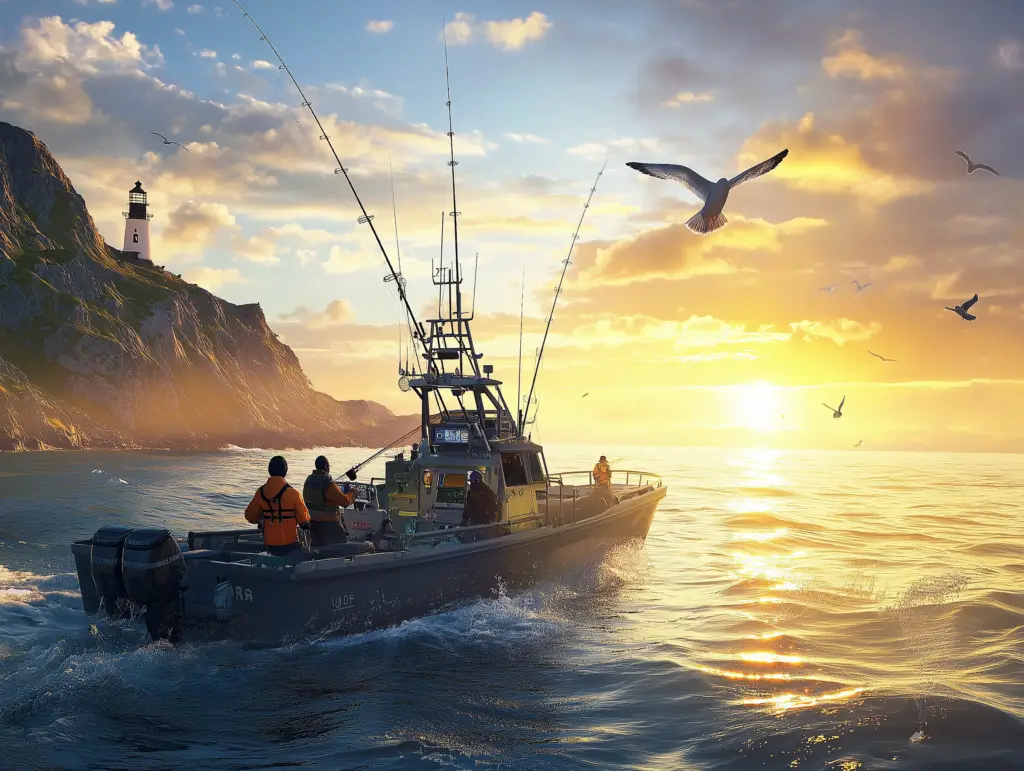
Best Fishing Charters USA: Top Picks for Every Angler in 2025
meta: Discover the best fishing charters in the USA for 2025! Whether you’re a beginner or a seasoned angler, explore top-rated charters offering unforgettable fishing adventures across the country.
Fishing in the USA is more than just a pastime—it’s a way of life for many. With thousands of miles of coastline, countless lakes, and rivers teeming with fish, it’s no wonder anglers flock to charter boats to reel in the catch of their dreams. But how do you choose the right fishing charter? Whether you’re chasing marlin off the Florida coast or salmon in Alaska, finding the perfect charter can make or break your fishing adventure. In this guide, we’ll dive into the best fishing charters across the USA, helping you pick the perfect one for your next trip. Let’s cast off and explore your options!
What to Look for in a Fishing Charter
Understanding Your Fishing Goals: Recreational vs. Sportfishing
Before booking a fishing charter, it’s important to understand your fishing goals. Are you looking for a relaxing day on the water with family or friends, or are you aiming to reel in a trophy fish? Recreational fishing charters focus on a laid-back experience, often targeting smaller, easier-to-catch species. On the other hand, sportfishing charters are designed for serious anglers looking for a challenge, such as catching marlin, tuna, or other big game fish.
Types of Charters: Private vs. Shared Charters
Another key decision is whether you want a private or shared charter. Private charters offer a more personalized experience, as the boat and crew are dedicated solely to your group. This option is ideal for families, groups of friends, or anglers who want to tailor the trip to their specific needs. Shared charters, on the other hand, are more budget-friendly and allow you to join other anglers. While they may lack the customization of private charters, they’re a great way to meet fellow fishing enthusiasts.
Key Factors: Location, Target Species, and Budget
When choosing a fishing charter, consider the location and the species you want to target. Certain regions are known for specific types of fish, so research the best destinations for your desired catch. Additionally, set a budget that aligns with your expectations. Costs can vary widely depending on the type of charter, the length of the trip, and the amenities provided.
How to Check Reviews and Credentials Before Booking
Always read reviews and check the credentials of a fishing charter before booking. Look for testimonials from previous customers to get a sense of the crew’s professionalism, the condition of the boat, and the overall experience. Don’t hesitate to ask about the captain’s qualifications and safety certifications to ensure you’re in good hands.
Best Fishing Charters in the USA by Region
East Coast: Top Charters in Florida, North Carolina, and Maine
The East Coast offers a variety of fishing opportunities, from Florida’s world-famous deep-sea charters targeting sailfish and grouper to North Carolina’s Outer Banks, known for tuna and marlin fishing. Maine, on the other hand, provides unique experiences like lobster fishing and catching striped bass.
West Coast: Best Options in California, Oregon, and Washington
The West Coast boasts incredible fishing charters, with California offering trips for yellowtail and rockfish. Oregon is famous for its salmon and steelhead runs, while Washington is a prime location for halibut and Dungeness crab fishing.
Gulf Coast: Premier Charters in Texas and Louisiana
The Gulf Coast is a haven for anglers, with Texas offering excellent charters for redfish and speckled trout. Louisiana, often called the “Sportsman’s Paradise,” is renowned for its inshore fishing and offshore trips targeting tuna and snapper.
Alaska: Unforgettable Salmon and Halibut Fishing Charters
Alaska is a dream destination for anglers, offering some of the best salmon and halibut fishing charters in the world. The breathtaking scenery and abundance of fish make it a bucket-list experience for any fishing enthusiast.
Great Lakes: Top-Rated Charters for Walleye and Trout Fishing
The Great Lakes region is perfect for freshwater fishing, with charters specializing in walleye, lake trout, and smallmouth bass. Popular areas include Lake Erie for its trophy walleye and Lake Michigan for salmon and trout.
Best Fishing Charters for Beginners
Charters with Experienced Guides Who Cater to First-Time Anglers
If you’re new to fishing, look for charters with experienced guides who are patient and willing to teach. These trips often include hands-on instruction, making them ideal for beginners.
Family-Friendly Options with Kid-Friendly Amenities
Many charters cater to families, offering shorter trips with kid-friendly amenities like smaller rods, snacks, and onboard restrooms. These trips ensure a fun and stress-free experience for all ages.
Affordable and Shorter Trips for Beginners
Beginners may prefer affordable charters that offer shorter trips, typically lasting 2-4 hours. These trips provide a taste of fishing without the time or financial commitment of a full-day excursion.
Best Fishing Charters for Experienced Anglers
Charters Specializing in Deep-Sea Fishing
For seasoned anglers, deep-sea fishing charters are a thrilling option. These trips venture far offshore to target big game fish like marlin, swordfish, and mahi-mahi.
Multi-Day Trips for Trophy Fish Like Marlin and Tuna
Experienced anglers seeking a challenge can opt for multi-day charters designed to pursue trophy fish. These trips often include overnight stays and advanced fishing techniques.
Advanced Equipment and Techniques Offered by Expert Crews
Look for charters that provide top-of-the-line equipment and expert crews who can guide you through advanced fishing techniques. These trips are perfect for anglers looking to sharpen their skills.
Tips for Booking the Perfect Fishing Charter
Booking During Peak vs. Off-Peak Seasons
Consider the timing of your trip. Peak seasons often offer the best fishing opportunities but may come with higher prices and crowded boats. Off-peak seasons can be more affordable and less crowded, though the fishing might not be as abundant.
Questions to Ask the Charter Captain Before Booking
Before booking, ask the captain about the types of fish you can expect to catch, the equipment provided, and any additional costs. It’s also a good idea to inquire about the boat’s safety features and cancellation policies.
What to Pack: Gear, Clothing, and Essentials
Pack appropriately for your trip. Essentials include sunscreen, sunglasses, a hat, and weather-appropriate clothing. While many charters provide fishing gear, you may want to bring your own if you have a preference.
Frequently Asked Questions About Fishing Charters
What’s Included in the Cost of a Fishing Charter?
Most fishing charters include the boat, crew, and basic fishing equipment in the cost. However, extras like bait, tackle, food, and drinks may come at an additional charge. Always confirm what’s included before booking.
Do I Need a Fishing License to Book a Charter?
In many locations, the fishing charter covers the cost of the fishing license for its passengers. However, it’s important to verify this detail with the charter operator to avoid any surprises.
What Happens If the Weather Doesn’t Cooperate?
If bad weather forces a cancellation, most charters offer a full refund or the option to reschedule. Always check the charter’s weather policy before booking to understand your options.
Conclusion
Fishing charters in the USA offer something for everyone, from serene lake fishing to thrilling offshore adventures. By choosing the right charter, you can create memories that last a lifetime. Whether you’re a novice angler or a seasoned pro, the options are endless. So, grab your gear, book a charter, and get ready for the fishing trip of your dreams. Don’t forget to share your experiences in the comments below—we’d love to hear about your biggest catch!
by John Fryer | Jan 6, 2025 | Sea Fishing
meta: Discover the best times of year for sea fishing across U.S. regions! Learn seasonal tips, species availability, and region-specific advice to plan your perfect fishing trip in 2025.
When it comes to sea fishing, timing is everything! Whether you’re a seasoned angler or just starting out, knowing the best times of year to fish in different U.S. regions can make or break your trip. Did you know that certain species are only available during specific seasons? Or that weather patterns can drastically affect your catch? I’ve learned this the hard way—like that one summer I went fishing in the Gulf Coast and barely caught a thing because I didn’t research the prime season for red snapper. Trust me, planning around the seasons is worth it! In this article, we’ll dive into the best times of year for sea fishing across the East Coast, West Coast, Gulf Coast, and even Alaska. From the peak months for tuna to the best weather for catching striped bass, I’ll break it all down for you. So grab your rod and reel, and let’s get started!
Best Times for Sea Fishing on the East Coast
Exploring the East Coast Fishing Landscape
The East Coast offers a rich variety of fishing opportunities, with iconic spots like Cape Cod in Massachusetts, the Outer Banks in North Carolina, and the Florida Keys in the Sunshine State. These areas are renowned for their diverse marine life and accessibility, making them top destinations for anglers of all skill levels.
Peak Fishing Seasons for Common Species
Timing is everything when it comes to fishing on the East Coast. Striped bass are most active during spring and fall, often migrating along the coastline. Bluefish, another popular species, are abundant in summer, while flounder fishing peaks during the warmer months. Each season brings its own unique opportunities, so planning your trip around these peak times can significantly boost your success.
The Role of Weather and Water Temperatures
Spring, summer, and fall each offer distinct fishing conditions influenced by weather and water temperatures. In spring, warming waters attract migrating species, while summer sees an increase in activity as fish feed aggressively. Fall is another prime season, as cooler temperatures trigger migration patterns. Keeping an eye on water temperature and weather forecasts can help you pinpoint the best times to cast your line.
Winter Fishing Along the Southern East Coast
Winter fishing may seem challenging, but it can be rewarding, especially in southern areas like Florida. Target species such as redfish and trout, which remain active in cooler waters. Investing in weather-appropriate gear, such as insulated clothing and gloves, will ensure you stay comfortable during your outing.
Best Times for Sea Fishing on the West Coast
West Coast Fishing Hotspots
The West Coast is home to some of the country’s most celebrated fishing destinations. San Diego is a hub for deep-sea fishing, while Monterey Bay offers incredible opportunities for catching a variety of species. Further north, the Pacific Northwest is famous for its salmon runs and pristine fishing environments.
Seasonal Availability of Key Species
The West Coast’s fishing calendar revolves around species like salmon, halibut, and albacore tuna. Salmon fishing is typically best during late spring and summer, while halibut season peaks in the warmer months. Albacore tuna are most active in late summer and early fall, making this an ideal time for offshore fishing.
The Impact of Ocean Currents
Ocean currents, such as the California Current, play a significant role in West Coast fishing conditions. These currents influence water temperature and the movement of baitfish, which in turn attract larger predators. Understanding how these currents shift throughout the year can give you a strategic edge.
Best Months for Deep-Sea Fishing
Deep-sea fishing on the West Coast is most productive during the summer and early fall. During these months, species like yellowtail and dorado are more accessible. To maximize your catch, consider targeting specific species based on their seasonal availability and using specialized gear designed for deep waters.
Best Times for Sea Fishing in the Gulf Coast
Introduction to Gulf Coast Fishing
The Gulf Coast boasts a vibrant fishing scene, with hotspots like Galveston in Texas, Tampa Bay in Florida, and the waters near New Orleans. Known for its warm climate and diverse marine life, this region is a year-round haven for anglers.
Prime Seasons for Popular Species
Red snapper season is a highlight for Gulf Coast anglers, typically running during the summer months. Grouper fishing is best in late spring and early summer, while tarpon are most active from late spring through early fall. Planning your trip around these peak seasons can help you reel in impressive catches.
Navigating Hurricanes and Tropical Storms
Fishing in the Gulf Coast comes with its challenges, particularly during hurricane season, which runs from June to November. Tropical storms can disrupt fishing plans, so it’s essential to monitor weather reports and have a backup plan. If storms are forecasted, consider rescheduling your trip or exploring sheltered fishing spots.
Winter Fishing Opportunities
Winter fishing along the Gulf Coast offers a chance to target lesser-known species like sheepshead and black drum. These fish remain active in cooler waters, providing a unique experience for anglers willing to brave the colder months. Lightweight but warm clothing and proper bait can make all the difference.
Best Times for Sea Fishing in Alaska
Challenges and Rewards of Alaskan Fishing
Fishing in Alaska is unlike anywhere else, offering both challenges and unparalleled rewards. The cold waters are teeming with prized species like salmon, halibut, and king crab. However, the remote locations and unpredictable weather require careful preparation.
Seasonal Availability of Alaskan Species
Salmon runs are a major draw in Alaska, with peak season occurring from late spring to early fall. Halibut fishing is best during the summer months, while king crab is typically harvested in the fall and winter. Each season offers a unique set of opportunities for anglers.
Preparing for Alaskan Fishing
Fishing in Alaska requires more than just skill—it demands preparation. The best months for fishing are often accompanied by unpredictable weather, so pack layers, waterproof gear, and sturdy boots. Researching local conditions and booking guided tours can help you make the most of your trip.
Booking Guided Fishing Tours
Guided fishing tours are a popular option for anglers visiting Alaska. These tours provide local expertise, specialized equipment, and access to prime fishing spots. Whether you’re chasing salmon or halibut, a guided experience can significantly enhance your chances of success.
Seasonal Fishing Tips for Beginners
Researching the Best Times to Fish
If you’re new to fishing, start by researching the best times to target your desired species in your chosen location. Online resources, local guides, and fishing reports can provide valuable insights into seasonal patterns and hotspots.
Understanding Local Regulations
Fishing regulations vary by location and season, so it’s crucial to familiarize yourself with local rules. Make sure you have the appropriate fishing license and understand size and bag limits for your target species.
Essential Seasonal Gear
Having the right gear can make or break your fishing experience. Invest in weather-appropriate clothing, sturdy footwear, and species-specific bait. For colder seasons, prioritize insulated gear to stay warm and comfortable.
Adapting to Seasonal Changes
Fish behavior changes with the seasons, often influenced by water temperature and food availability. In colder months, fish tend to move to deeper waters, while warmer months see them feeding closer to the surface. Adjust your strategy accordingly to increase your chances of success.
Conclusion
Sea fishing is as much about timing as it is about skill. By understanding the best times of year for sea fishing across U.S. regions, you can significantly improve your chances of a successful trip. Whether you’re planning a summer adventure on the Gulf Coast or a chilly fall outing in Alaska, knowing what to expect—and when—can make all the difference. So, what are you waiting for? Start planning your next fishing trip today! And if you’ve got tips or favorite fishing spots, I’d love to hear about them in the comments below. Tight lines, everyone!