by John Fryer | Jan 16, 2025 | Fishing, Sea Fishing
meta: Learn how to choose the right kayak for fishing with this comprehensive guide. Explore key factors like kayak types, features, stability, and storage to help you make the best choice for your fishing adventures.
Are you ready to take your fishing game to the next level? Choosing the right kayak for fishing can make or break your experience out on the water. With so many options, from sit-on-top to pedal-powered kayaks, it can feel a bit overwhelming—trust me, I’ve been there! Whether you’re planning to fish in calm lakes, quiet rivers, or open ocean waters, the right kayak can make those fishing trips both successful and enjoyable. Let me guide you through all the factors you need to consider before making this big decision.
Types of Fishing Kayaks
- Sit-on-Top Kayaks:
These kayaks are perfect for beginners and those fishing in warmer climates. They are incredibly stable, and their design makes it easy to get on and off. They’re a great choice if you’re looking for simplicity and balance on the water.
- Sit-In Kayaks:
If you’re planning to fish in colder weather, sit-in kayaks offer better protection from the elements. They’re usually ideal for calmer waters and are designed to keep you more enclosed, which can be a big advantage on chilly days.
- Pedal Kayaks:
For hands-free operation, pedal kayaks are a game-changer. These allow you to focus on casting and reeling in your catch without needing to stop and paddle. They’re especially helpful for fishermen who want continuous movement while keeping their hands free.
- Inflatable Kayaks:
Lightweight and portable, inflatable kayaks are a convenient option for those who need easy transport and storage. However, they may not offer the same level of durability or stability as hard-shell models, so keep that in mind based on where you’ll be fishing.
Key Features to Look For in a Fishing Kayak
- Stability:
When fishing, especially if you plan to stand and cast, stability is key. Look for a kayak that won’t easily tip over, even when you shift your weight.
- Rod Holders:
Having multiple rod holders can make fishing more efficient. These allow you to set up different rods and focus on the action without constantly adjusting your gear.
- Storage Space:
Fishing requires equipment, so your kayak should have adequate storage. Look for dry storage compartments for sensitive items and an accessible tank well for tackle boxes or bait.
- Comfortable Seating:
Long hours on the water call for comfortable, adjustable, and padded seats. A poorly designed seat can quickly turn a relaxing day into an uncomfortable ordeal.
- Weight Capacity:
Ensure the kayak can handle your body weight along with all your fishing gear. Overloading a kayak can compromise its stability and performance.
Where Will You Be Kayak Fishing?
- Lakes and Ponds:
For calm waters such as lakes and ponds, a stable, maneuverable kayak with minimal tracking features is an excellent choice. These environments typically don’t require the highest level of durability or tracking.
- Rivers:
If you’re navigating rivers, opt for shorter kayaks. They offer better maneuverability in tight spaces and can handle currents more effectively than longer models.
- Saltwater or Ocean:
For open waters like the ocean, longer kayaks with excellent tracking are ideal. They help you stay on course and deal better with waves and wind.
Budget Considerations When Choosing a Fishing Kayak
- Entry-Level Options:
There are plenty of affordable, basic kayak models perfect for beginners. These offer the essentials without overwhelming you with features, making them great for testing the waters of kayak fishing.
- Mid-Range Choices:
Mid-range kayaks strike a balance between cost and features. They often include essentials like rod holders and decent storage options, making them suitable for hobbyists who fish regularly.
- High-End Kayaks:
Premium kayaks come with advanced features such as pedal systems, GPS mounts, and even integrated fish finders. These are designed for serious anglers who want top-tier performance and convenience.
Additional Gear to Enhance Your Fishing Kayak
- Paddle:
A lightweight and durable paddle can significantly improve your experience. Look for one that’s easy to use and won’t tire you out during long trips.
- Life Vest:
Safety should always come first. A life vest designed for fishing with features like pockets and storage is a great investment to keep you secure on the water.
- Anchor System:
An anchor system can help you stay in position, even in windy conditions or strong currents. This is essential for maintaining your fishing spot without drifting away.
- Fish Finder:
If you want to locate fish more efficiently, adding a sonar fish finder to your kayak setup can be a game-changer. It helps you identify underwater activity, making your trips more productive.
Conclusion
Choosing the right kayak for fishing boils down to understanding your specific needs, environment, and budget. Whether you’re after a sit-on-top kayak for stability or a pedal-powered option for convenience, there’s a perfect kayak out there for you. Don’t forget to consider critical factors like stability, storage, and weight capacity. Now, it’s time to get out there and start fishing! Ready to find the kayak that suits your style? Start exploring your options today and make your next fishing adventure unforgettable.
by John Fryer | Jan 16, 2025 | Sea Fishing
meta: Learn how to catch mackerel with this step-by-step guide! Discover the best techniques, gear, bait, and tips to reel in mackerel successfully, whether you’re a beginner or seasoned angler.
Learn the essentials of mackerel fishing, including species information, best practices, and expert tips to enhance your fishing experience.
What Are Mackerel? Understanding the Basics
Mackerel are a group of fast-swimming, streamlined fish found in oceans around the world. There are several species of mackerel, including the Atlantic mackerel, Spanish mackerel, and king mackerel, each with its own unique characteristics and habitats. These fish are highly prized by anglers for two main reasons: they’re incredibly fun to catch due to their speed and fight, and they make for delicious eating, whether grilled, smoked, or canned.
Mackerel are typically small to medium-sized fish, with sleek, torpedo-shaped bodies designed for speed. They are often found in schools, which makes them easier to target in large numbers. Their habitats vary depending on the species, but they are commonly found in nearshore waters, reefs, and open seas. Mackerel are also highly migratory, moving with the seasons and water temperatures, which means timing is key for successful fishing.
Seasonal patterns play a significant role in finding mackerel. They are most abundant during warmer months when they migrate closer to shore to feed and spawn. Knowing when and where to look for them can greatly improve your chances of landing a catch.
Best Times and Locations to Catch Mackerel
Mackerel migrations are heavily influenced by the seasons, and understanding these patterns can make or break your fishing trip. In spring and summer, mackerel often move closer to shore, making them accessible to anglers fishing from piers, beaches, or small boats. During the colder months, they tend to retreat to deeper waters, requiring more effort to locate.
The best times of day to catch mackerel are early morning and dusk. These are the periods when mackerel are most actively feeding, increasing your chances of success. Additionally, water temperature and tidal movements play a critical role in mackerel activity. Warmer waters and incoming tides often bring schools of mackerel closer to shore, so plan your trips accordingly.
When it comes to locations, mackerel can be found in a variety of spots, including piers, beaches, boats, and nearshore waters. Look for areas with strong currents or structures like reefs and jetties, as these often attract baitfish, which in turn attract mackerel.
Essential Gear for Catching Mackerel
When targeting mackerel, lightweight gear is your best friend. A medium or light-action rod paired with a spinning reel is ideal for handling these fast, feisty fish. Look for a reel with a smooth drag system to help you manage their quick runs.
For fishing lines, a lightweight monofilament or braided line in the 8-15 lb range works well. Mackerel aren’t particularly line-shy, so you don’t need to go ultra-light, but a thinner line helps with casting distance and sensitivity.
Don’t forget your must-have accessories. A tackle box stocked with lures, spare hooks, and swivels is essential. Pliers for removing hooks and a cooler to store your catch are also important. If you’re a beginner, there are plenty of budget-friendly gear options available that won’t break the bank while still getting the job done.
Choosing the Right Bait for Mackerel Fishing
The right bait can make all the difference when fishing for mackerel. Natural baits like mackerel strips, squid, and sardines are highly effective because they closely mimic the fish’s natural diet. These baits can be used fresh or frozen, depending on availability.
Artificial lures are another great option, especially for anglers who prefer a more active fishing style. Spinners, feathers, and jigs that mimic the movement of small fish are particularly effective. These lures are designed to trigger the predatory instincts of mackerel, making them irresistible.
Preparing and rigging your bait properly is crucial. For natural baits, ensure they are securely hooked and presented in a way that looks natural in the water. Experimenting with different bait types and setups can help you adapt to local conditions and increase your chances of success.
Top Fishing Techniques for Catching Mackerel
There are several effective techniques for catching mackerel, each suited to different conditions and preferences. Jigging is one of the most popular methods. By dropping a lure into the water and jerking it upward in a rhythmic motion, you can mimic the movement of small prey and entice mackerel to strike.
Trolling is another excellent technique, especially if you’re fishing from a boat. By dragging lures or bait behind the boat at a slow to moderate speed, you can cover a larger area and locate schools of mackerel. Adjust your trolling speed based on the conditions, but a speed of 2-4 knots is usually effective.
If you’re fishing from shore or a pier, casting and retrieving is a simple yet productive method. Use a lure or bait and reel it in with a steady or erratic motion to attract mackerel. Adding chum to the water can also help by drawing schools of fish to your location.
Tips for Catching Mackerel Like a Pro
To increase your success rate, learn how to read the water and spot signs of mackerel schools. Look for surface disturbances, diving birds, or baitfish activity, as these are strong indicators that mackerel are nearby.
Adjust your fishing strategy based on weather conditions. On overcast days, mackerel may feed closer to the surface, while on bright, sunny days, they might stay deeper. Avoid common mistakes like using the wrong gear or bait, as these can significantly reduce your chances of success.
Once you’ve caught mackerel, handle them carefully to preserve their quality. Use a wet cloth or gloves to avoid damaging their scales, and place them in a cooler with ice immediately to keep them fresh.
Sustainable Practices for Mackerel Fishing
Sustainability is an essential part of responsible fishing. Always follow local fishing regulations and adhere to catch limits to ensure mackerel populations remain healthy. If you’re not planning to keep the fish, practice catch-and-release techniques to minimize harm.
Choose fishing methods that have minimal impact on the environment, such as using barbless hooks or avoiding areas with sensitive habitats. There are plenty of resources available to help you learn more about sustainable angling practices, so take the time to educate yourself and contribute to the preservation of marine ecosystems.
Conclusion
By following these tips and techniques, you’ll be well-equipped to catch mackerel successfully while practicing sustainable fishing methods.
by John Fryer | Jan 13, 2025 | Dogs, Tail-Wagging Tips
Mastering the ‘Come’ Command: Recall Training for Large Dogs in 2025
meta: Struggling with recall training for your large dog? Learn how to master the ‘Come’ command with step-by-step techniques, expert tips, and common mistakes to avoid. Perfect for owners of big breeds like Labradors, German Shepherds, and more!
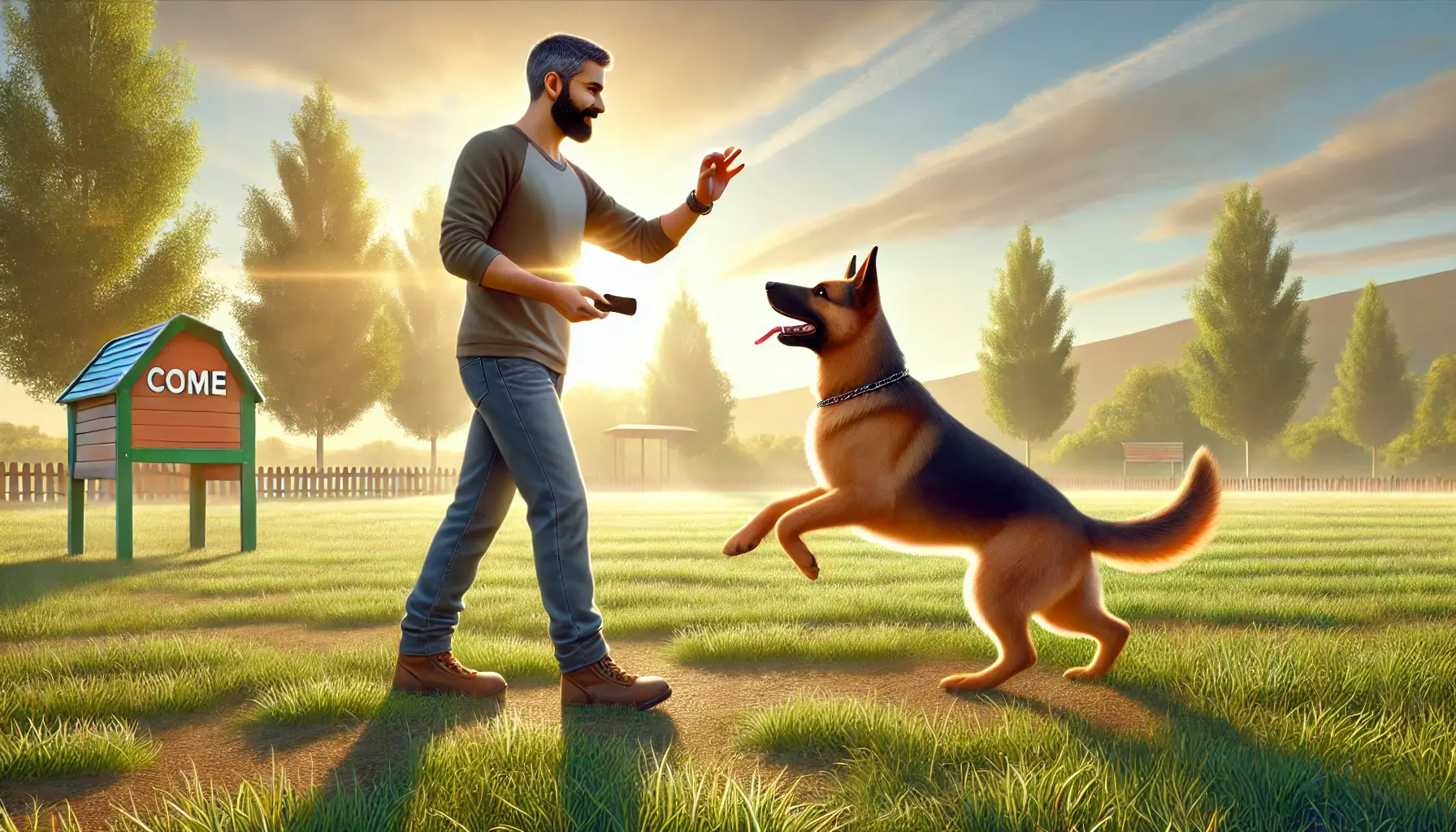
Recall training can feel like a Herculean task for large dog owners. If you’ve ever called your dog only to watch them gleefully sprint in the opposite direction, you’re not alone! Teaching your dog to reliably respond to the ‘Come’ command is one of the most important skills for their safety and your sanity. Large breeds like German Shepherds, Golden Retrievers, and Great Danes bring unique challenges to the table due to their size, strength, and sometimes stubborn personalities. But don’t worry—this guide is here to help you transform your big furry friend into a recall pro. Let’s dive into the techniques, tools, and tips that will make training a success!
Why Recall Training Is Crucial for Large Dogs
Safety First: Preventing Dangerous Situations
When it comes to large dogs, recall training is more than just a convenience—it’s a lifesaver. Imagine your dog darting toward a busy road or chasing after wildlife. A solid recall command can prevent accidents and keep your dog out of harm’s way. Large breeds are powerful and fast, which means they can cover a lot of ground quickly. Being able to call them back reliably can make all the difference in dangerous situations.
Control in Public Spaces
Large dogs can be intimidating to other people and animals, even if they’re friendly. Recall training helps you maintain control in public spaces like dog parks, hiking trails, or other off-leash areas. With a reliable recall, you can confidently let your dog explore while ensuring they won’t cause disruptions or get into trouble.
Building Trust
A well-trained recall strengthens the bond between you and your dog. It’s about more than just obedience—it’s about communication and trust. When your dog knows they can rely on you for clear guidance and positive reinforcement, your relationship deepens, and their confidence in you grows.
Unique Challenges of Large Breeds
Large dogs often come with unique behavioral traits that make recall training especially important. Their strength and independence can make them harder to manage if they decide to ignore you. Many large breeds also have a strong prey drive, making them more likely to chase after animals or objects. These challenges highlight why recall training is essential for their safety and your peace of mind.
Understanding Your Large Dog’s Behavior and Motivation
Know Your Breed
Every dog is different, and understanding your large dog’s breed-specific traits can help you tailor your training. For example, herding breeds like German Shepherds may be naturally attentive but prone to chasing, while guarding breeds like Rottweilers may be more independent. Hunting breeds like Labradors or Retrievers might find scents irresistible, which can distract them from recall commands.
The Role of Energy
High-energy breeds often struggle with focus, making recall training more challenging. These dogs may need additional exercise or mental stimulation before training sessions to help them concentrate. A tired dog is often a more focused dog.
Positive Reinforcement
Dogs respond best to positive reinforcement, especially during recall training. Using rewards like treats, toys, or enthusiastic praise motivates your dog to come back to you. Punishment, on the other hand, can create fear and undermine your efforts.
Common Distractions for Large Dogs
Large dogs are often drawn to distractions like wildlife, other dogs, interesting smells, or moving objects. Acknowledging and addressing these distractions during training will help you build a reliable recall, even in challenging environments.
Long Training Leash
A 20-30 ft leash is a must-have for recall training. It allows your dog to explore while giving you control in case they get distracted or don’t respond immediately. It’s a safe way to practice recall in open spaces without the risk of your dog running off.
High-Value Treats
Not all treats are created equal. For recall training, use something irresistible like freeze-dried liver, cheese, or small pieces of chicken. High-value rewards make it more likely that your dog will prioritize you over distractions.
Clicker Training
A clicker can be a helpful tool for reinforcing recall commands. The sound of the clicker marks the exact moment your dog performs the desired behavior, making it easier for them to understand what you want.
Whistles vs. Verbal Commands
Some owners prefer using a whistle for recall, as it carries over long distances and remains consistent regardless of your tone or mood. However, verbal commands can be just as effective if used consistently. Choose the method that works best for you and your dog.
Harness vs. Collar
For large dogs, a harness is often safer than a collar during recall training. It reduces the risk of injury if your dog pulls or lunges while on a long leash, giving you more control without putting pressure on their neck.
Step-by-Step Guide to Teaching the ‘Come’ Command
Step 1: Start Indoors
Begin training in a quiet, controlled environment with minimal distractions. Call your dog’s name followed by the command “Come,” and reward them immediately when they respond.
Step 2: Use a Long Leash Outdoors
Once your dog is consistent indoors, move to an open outdoor area with a long leash. Gradually introduce low-level distractions and continue to reward your dog for coming to you.
Step 3: Pair the Command with Rewards
Always reward your dog when they come to you, whether it’s with treats, toys, or praise. This positive association reinforces the behavior.
Step 4: Add Distance and Distractions
As your dog improves, increase the distance and introduce more distractions. Practice in different environments to ensure your dog responds reliably in various situations.
Step 5: Practice Off-Leash (When Safe)
Once your dog has mastered recall on a leash, transition to off-leash training in a secure, enclosed area. Always make coming to you a positive experience—never punish your dog after they come, even if they took their time.
Pro Tip
Avoid calling your dog only when it’s time to end fun activities. Mix recall commands into playtime so they don’t associate “Come” with the end of their freedom.
Common Mistakes to Avoid in Recall Training
- Inconsistent Commands: Stick to one recall word, like “Come,” to avoid confusing your dog.
- Punishing After Recall: Never scold your dog after they come to you, even if they misbehaved earlier.
- Overusing the Command: Don’t call your dog too often or when you’re unsure they’ll respond. This can dilute the command’s importance.
- Ignoring Distractions: Train with real-world distractions to ensure reliable recall in all situations.
- Skipping Practice: Regular, short training sessions are key to maintaining your dog’s recall skills.
Advanced Recall Techniques for Large Dogs
Adding a Release Word
Teach your dog a release word like “Okay” or “Free” to let them know when they can move again. This prevents them from assuming recall means the end of fun.
Emergency Recall
Train a special recall word for life-or-death situations. Use it sparingly and pair it with the highest-value rewards to ensure your dog responds instantly.
Using Body Language
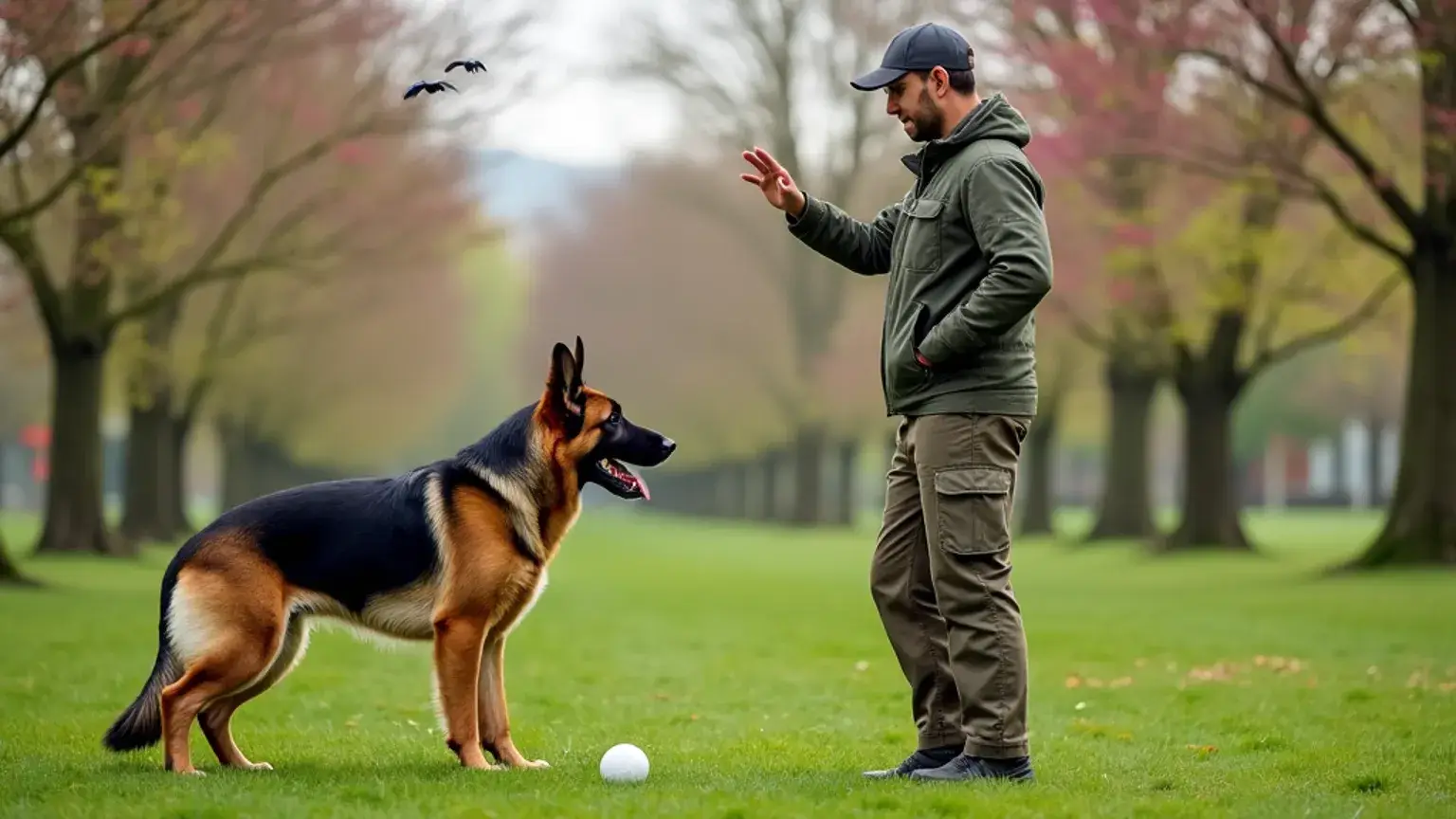
Your posture, gestures, and tone can greatly influence your dog’s response. Make yourself approachable and exciting when calling them.
Group Training Sessions
Practice recall in environments with other dogs and people to help your dog stay focused despite distractions.
Distance Recall Commands
Work on getting your dog to respond from greater distances, eventually aiming for 50+ feet. This is especially useful for large dogs in open spaces.
Troubleshooting Recall Training Challenges
- My Dog Ignores Me Outdoors: Start with fewer distractions and gradually build up. Use higher-value rewards to compete with outdoor stimuli.
- My Dog Only Comes for Treats: Transition to using praise or play as rewards over time, but don’t eliminate treats entirely.
- My Dog Runs Away When I Call: Avoid chasing them. Instead, make yourself more interesting by running in the opposite direction or using a toy to lure them back.
- My Dog is Stubborn or Independent: Adjust your training approach for breeds known for independence, like Huskies. Be patient and consistent.
- My Dog Stops Halfway: Keep your energy high and reward them only when they fully reach you.
Maintaining Recall Training Long-Term
Consistency is Key
Practice regularly to keep the behavior fresh and reliable. Even well-trained dogs need occasional refreshers.
Refreshing the Command
Revisit recall training every few months to reinforce the behavior and ensure it remains strong.
Incorporating Recall into Daily Life
Use the recall command during everyday activities like walks, playtime, or mealtime to make it a natural part of your dog’s routine.
Reward Intermittently
As your dog becomes more reliable, switch to intermittent rewards to keep them motivated without over-reliance on treats.
Celebrate Progress
Acknowledge your dog’s improvements with enthusiasm and rewards. Keeping training fun will ensure both you and your dog enjoy the process.
Conclusion
This outline provides a comprehensive structure for creating an informative, engaging, and SEO-optimized article on recall training for large dogs.
by John Fryer | Jan 13, 2025 | Dogs, Tail-Wagging Tips
How to Teach ‘Leave It’ to Large Dogs Using Positive Reinforcement in 2025
meta: Learn how to teach ‘Leave It’ to large dogs using positive reinforcement techniques! This step-by-step guide makes training fun, effective, and stress-free for you and your furry friend.
This guide provides a comprehensive approach to teaching the ‘Leave It’ command to large dogs using positive reinforcement techniques, ensuring a safe and enjoyable training experience.
Why ‘Leave It’ is a Crucial Command for Large Dogs
Importance of Teaching Impulse Control to Large Breeds
Impulse control is a critical skill for any dog, but it becomes especially important for large breeds. These dogs often have the size and strength to unintentionally cause harm or damage when they act on impulse. Teaching the ‘Leave It’ command helps large dogs learn to pause and think before acting, which is essential for fostering a safe and harmonious relationship between the dog, its owner, and the community.
Real-Life Scenarios Where ‘Leave It’ Can Prevent Accidents or Harm
The ‘Leave It’ command can be life-saving in certain situations. For example, if a large dog lunges for a piece of food that could be toxic, like chocolate or grapes, a well-timed ‘Leave It’ can prevent ingestion. Similarly, this command can stop a dog from picking up dangerous objects, such as broken glass or sharp debris, or from approaching other animals that might pose a threat. This skill is not just about obedience—it’s about ensuring safety for everyone involved.
Benefits of Using Positive Reinforcement Over Punishment-Based Methods
Positive reinforcement is the most effective way to teach the ‘Leave It’ command. Instead of punishing a dog for making mistakes, positive reinforcement rewards the desired behavior, making the dog more likely to repeat it. This approach builds trust and strengthens the bond between you and your dog, which is especially important for large breeds that need to feel secure and respected.
How Large Dogs’ Size and Strength Make This Command Especially Important
Large dogs can inadvertently cause more damage than smaller breeds simply due to their size and strength. A poorly trained large dog lunging for an object or getting into something dangerous can be difficult to control. Teaching ‘Leave It’ ensures that you have a reliable way to manage their behavior, even in high-stakes or distracting environments.
Understanding Positive Reinforcement for Dog Training
Definition of Positive Reinforcement and How It Works
Positive reinforcement involves rewarding a dog for performing a desired behavior, which increases the likelihood of that behavior being repeated. This can include treats, toys, praise, or playtime. The key is to immediately reward the behavior so the dog associates the action with something positive.
Why Positive Reinforcement Is Effective for Large Dogs
Large dogs thrive on trust and mutual respect. Positive reinforcement is particularly effective for them because it creates a stress-free learning environment. Instead of fearing punishment, the dog focuses on earning rewards, which makes training more enjoyable and effective.
Common Rewards: Treats, Toys, Praise, and Playtime
Rewards can vary based on what motivates your dog. Treats are often the go-to, but some dogs respond better to toys, verbal praise, or even a quick play session. For large dogs, using high-value rewards that capture their attention can make training sessions more productive.
The Science Behind Reinforcing Good Behavior Instead of Punishing Bad Behavior
Research shows that dogs learn faster and retain behaviors longer when training focuses on rewarding good actions rather than punishing mistakes. Punishment can lead to fear or anxiety, which may cause behavioral issues down the road. Positive reinforcement encourages your dog to think critically and make better choices.
Choosing the Right Treats for Large Dogs
When selecting treats, opt for high-value options that your dog loves but that are also size-appropriate. Treats should be small enough to avoid overfeeding but enticing enough to hold their attention during training.
Using a Clicker or Verbal Marker to Reinforce the Behavior
A clicker or verbal marker like “Yes!” can help your dog understand exactly when they’ve done something right. This immediate feedback bridges the gap between the behavior and the reward, making learning more efficient.
Setting Up a Distraction-Free Environment for Initial Training
Start training in a quiet, distraction-free area to help your dog focus. Once they’ve mastered the command in this controlled setting, you can gradually introduce distractions to test their skills.
Understanding Your Dog’s Body Language to Gauge Stress or Confusion
Pay attention to your dog’s body language during training. Signs of stress, such as yawning, licking lips, or avoiding eye contact, indicate that your dog may need a break. Recognizing these cues ensures that training remains a positive experience.
Step-by-Step Guide to Teaching ‘Leave It’
Step 1: Start with a Low-Value Object and Reward for Ignoring It
Place a low-value object, like a sock or a leaf, on the ground. When your dog ignores it, immediately reward them with a treat and praise.
Step 2: Add a Verbal Cue Like ‘Leave It’ While Maintaining Consistency
Once your dog starts understanding the concept, introduce the verbal cue ‘Leave It’ as they move toward the object. Be consistent with your tone and timing.
Step 3: Gradually Increase the Difficulty with Higher-Value Items
As your dog becomes more reliable, practice with higher-value items like food or toys. Reward them generously when they successfully ‘leave it.’
Step 4: Introduce Distractions in Controlled Settings
Test the command in environments with mild distractions, such as other people or background noise. Gradually increase the level of difficulty as your dog improves.
Step 5: Practice in Real-World Scenarios to Solidify the Behavior
Finally, practice the ‘Leave It’ command in real-world situations, such as on walks or in parks. This ensures your dog can perform the behavior reliably in any setting.
Common Challenges and How to Overcome Them
Large Dogs Losing Focus Due to High Energy or Distractions
Large dogs can have high energy levels, making it hard for them to focus. Use short, engaging sessions and high-value rewards to keep their attention.
How to Handle Frustration When Progress Feels Slow
Training takes time, and it’s normal to feel frustrated. Stay patient and remember that progress, no matter how small, is still progress.
Avoiding Accidental Reinforcement of the Wrong Behavior
Be mindful not to accidentally reward unwanted behaviors. For instance, if your dog grabs an object and you chase them, they may see it as a game.
Tips for Staying Consistent and Patient Throughout the Training Process
Consistency is key. Make sure everyone in your household uses the same commands and rewards system to avoid confusing your dog.
Tips for Success When Training Large Dogs
Keeping Training Sessions Short and Engaging
Large dogs have shorter attention spans than you might expect. Keep sessions between 5-10 minutes to prevent boredom or frustration.
Using a Firm but Friendly Tone to Maintain Trust and Respect
Your tone matters. Be firm enough to convey authority but friendly enough to maintain your dog’s trust and enthusiasm.
Incorporating Training into Daily Activities for Reinforcement
Reinforce the ‘Leave It’ command during daily routines, such as mealtime or walks. This helps your dog see training as part of everyday life.
Celebrating Small Wins to Keep Motivation High
Celebrate every success, no matter how small. Positive reinforcement works for humans too, and celebrating milestones keeps both you and your dog motivated.
When to Seek Professional Help
Signs That Your Dog May Need Professional Training Support
If your dog shows signs of aggression, extreme anxiety, or consistently ignores commands, it may be time to consult a professional trainer.
How to Find a Qualified Positive Reinforcement Trainer
Look for trainers who specialize in positive reinforcement methods. Check reviews, ask for references, and observe a class if possible.
The Benefits of Group Training Classes for Socializing Large Dogs
Group classes not only improve obedience but also help large dogs develop social skills. This is especially helpful for breeds prone to reactivity.
Understanding When to Escalate Training for Safety Concerns
If your dog’s behavior poses a safety risk to themselves or others, escalate training immediately. A professional can help address these issues effectively.
Conclusion
By following this guide, you can effectively teach your large dog the ‘Leave It’ command, fostering better behavior, safety, and a stronger bond with your pet. Remember, patience and consistency are key to successful training!
by John Fryer | Jan 12, 2025 | Dogs, Tail-Wagging Tips
Training Your Large Dog to Lie Down: Tips and Techniques
meta: Discover expert tips and techniques for training your large dog to lie down. Learn step-by-step methods, common challenges, and solutions to help your pup master this essential command.
Training your large dog to lie down is an essential skill that ensures safety, discipline, and a calmer household. This guide will provide you with actionable steps, tools, and advanced techniques to help your dog master this command.
Why Teaching ‘Lie Down’ Is Essential for Large Dogs
Teaching your large dog to ‘lie down’ is more than just a basic obedience command—it’s a vital tool for their safety, discipline, and overall well-being. Large breeds can be strong, energetic, and sometimes overwhelming, so having a reliable ‘lie down’ cue can help manage their behavior effectively.
One of the key benefits of this command is preventing accidents. For example, if your large dog gets overly excited in a busy area or around small children, asking them to ‘lie down’ can immediately calm the situation. It’s also a great way to manage high-energy dogs, helping them settle when their excitement peaks.
Real-life scenarios highlight how useful this command can be. Imagine you’re at the vet, and your dog is nervous and pacing—having them lie down can make the experience less stressful for everyone involved. Similarly, during outdoor dining or social gatherings, a well-timed ‘lie down’ can prevent your dog from jumping on guests or knocking over tables.
Preparing for Training: What You’ll Need
Before you start training, it’s important to gather the right tools and create an environment conducive to learning. You’ll need a leash, high-value treats, a clicker (optional but helpful), and a quiet space free of distractions.
When choosing treats for large dogs, opt for ones that are enticing and easy to chew. Soft, bite-sized treats work best, as they allow for quick rewards without interrupting the training flow. High-value rewards like small pieces of chicken or cheese can be particularly motivating.
Patience and consistency are your most important tools. Training a large dog to ‘lie down’ may not happen overnight, but with regular practice and a calm demeanor, your dog will eventually master the command.
Step-by-Step Techniques to Teach Your Large Dog to Lie Down
Method 1: Lure Training
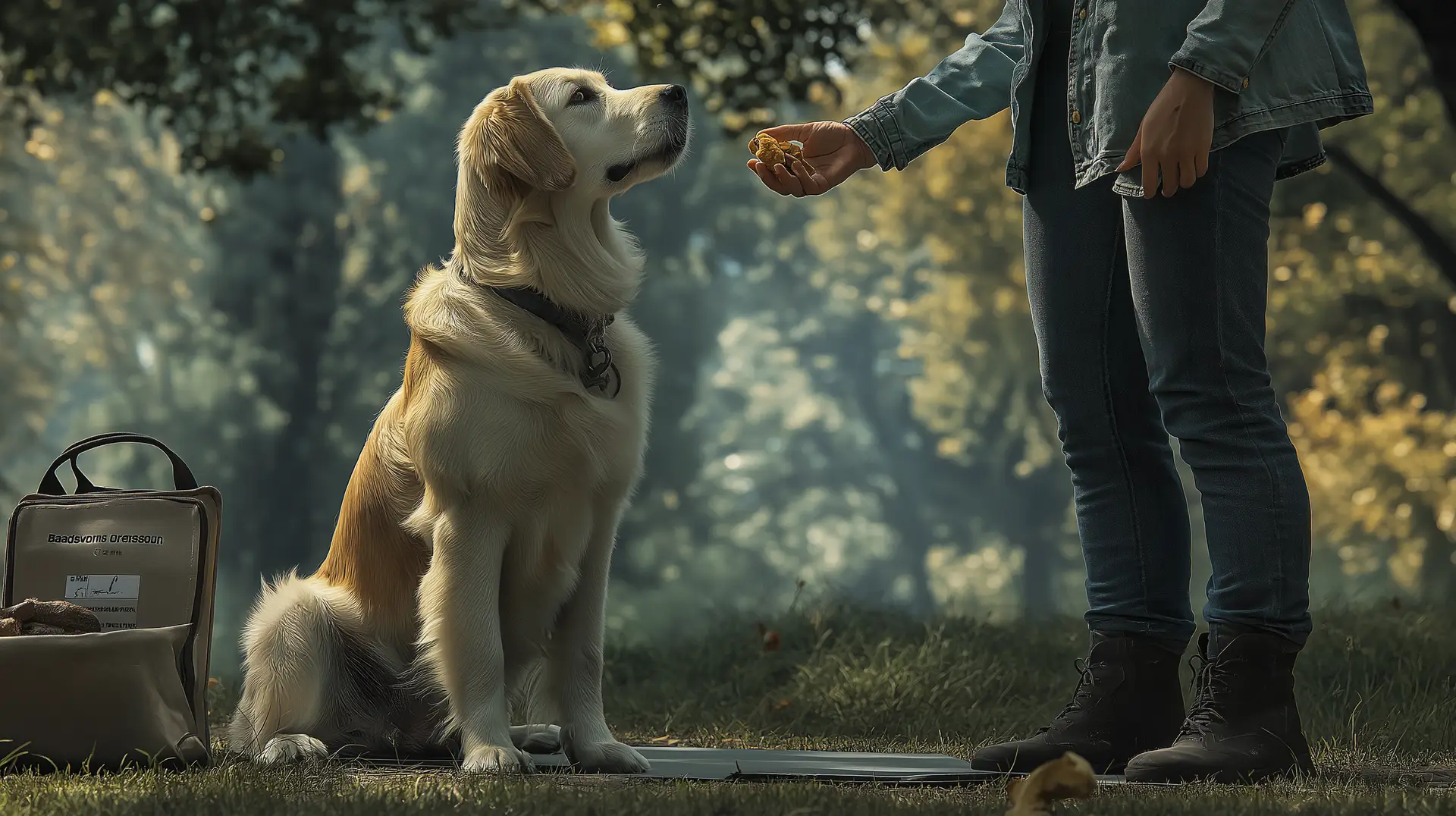
Lure training is one of the most straightforward ways to teach ‘lie down.’ Start by holding a treat close to your dog’s nose, and slowly move it down toward the ground. As your dog follows the treat, their body will naturally lower into the ‘down’ position.
Once they’re lying down, immediately reward them with the treat and praise. Repeat this process several times, adding a verbal cue like “down” once they consistently follow the lure. If your dog doesn’t follow the treat, try using a more enticing reward or adjust the speed of your movements.
Method 2: Capturing Behavior
This method involves observing your dog and rewarding them when they naturally lie down. Keep treats handy and wait for your dog to lie down on their own. The moment they do, say your cue word (e.g., “down”), and reward them generously.
Over time, your dog will associate the cue with the action. This method works well for dogs who frequently lie down on their own, but it may take longer than lure training. It’s also less effective for high-energy dogs who rarely settle on their own.
Method 3: Using Pressure and Release
For dogs who need a bit more guidance, you can use gentle leash pressure to encourage the ‘lie down’ position. With your dog on a leash, apply light downward pressure while guiding them into position. The moment they lie down, release the pressure and reward them.
It’s essential to ensure this method is stress-free. Avoid pulling too hard or creating tension, as this can cause fear or resistance. Once your dog understands the motion, transition to verbal or hand signals to reinforce the behavior.
Common Challenges When Training Large Dogs
Large dogs may resist lying down for several reasons, such as discomfort, fear, or stubbornness. If your dog seems hesitant, consider whether they might be uncomfortable on hard or cold surfaces. Using a soft mat or blanket can make a big difference.
Fear or anxiety can also play a role. If your dog seems nervous, use a calm voice, and avoid forcing them into position. Gradually build their confidence with positive reinforcement.
High-energy dogs can be easily distracted during training. To manage this, tire them out with a walk or play session before starting. Keep training sessions short and engaging to hold their attention.
For older or arthritic dogs, lying down might be physically challenging. Be mindful of their limitations and consult your vet if needed.
Reinforcing the ‘Lie Down’ Command Over Time
Once your dog has learned the ‘lie down’ command, it’s important to reinforce it in various settings. Practice in different environments, such as the park, at home, or during walks, to ensure your dog responds reliably regardless of distractions.
To reduce treat dependency, gradually transition to using praise, petting, or occasional treats as rewards. Incorporate ‘lie down’ into daily routines, such as before meals or during playtime, to make it a natural part of your dog’s behavior.
Real-world applications of ‘lie down’ are endless. Whether you’re at a crowded event, visiting the vet, or simply trying to relax at home, this command can help your dog stay calm and focused.
Advanced Training Techniques for Large Dogs
Once your dog has mastered the basics, you can take their training to the next level. Start by adding distance and duration to the ‘lie down’ command. For example, ask your dog to lie down and stay in position while you step away or move around.
You can also introduce specific cues, such as hand signals, to make the command more versatile. Combining ‘lie down’ with other commands like ‘stay’ or ‘come’ can further enhance your dog’s obedience skills.
If you’re aiming for advanced training or struggling to achieve consistency, consider working with a professional trainer. They can provide personalized guidance and help you refine your techniques.
Mistakes to Avoid When Training a Large Dog
Training large dogs requires a thoughtful approach. Avoid overusing corrections or negative reinforcement, as this can damage your dog’s trust and willingness to learn. Focus on positive reinforcement to encourage cooperation.
Rushing the process is another common mistake. Dogs learn at their own pace, so be patient and celebrate small victories along the way. Consistency is also key—using different cues or commands can confuse your dog and slow progress.
Finally, always pay attention to your dog’s body language. Signs of stress, such as yawning, lip licking, or avoiding eye contact, indicate that your dog may need a break. Respect their limits to ensure training remains a positive experience.
Conclusion
Mastering the ‘lie down’ command is a crucial step in ensuring your large dog is well-behaved, safe, and calm. With patience, consistency, and the right techniques, you can build a stronger bond with your dog while improving their obedience skills.