The Ultimate Guide to Inflatable Fishing Kayaks: Tips, Tricks, and Techniques for 2025

The Ultimate Guide to Inflatable Fishing Kayaks: Tips, Tricks, and Techniques for 2025


.separator {
border: none;
border-top: 2px solid black; /* Adjust thickness and color */
width: 50%; /* Set the width you want */
margin: 20px auto; /* Center the line and add spacing */
}

The Ultimate Guide to Inflatable Fishing Kayaks: Tips, Tricks, and Techniques for 2025

Discover the best inflatable fishing kayak techniques and tips for 2025. Learn practical advice to enhance your kayaking and fishing adventures.

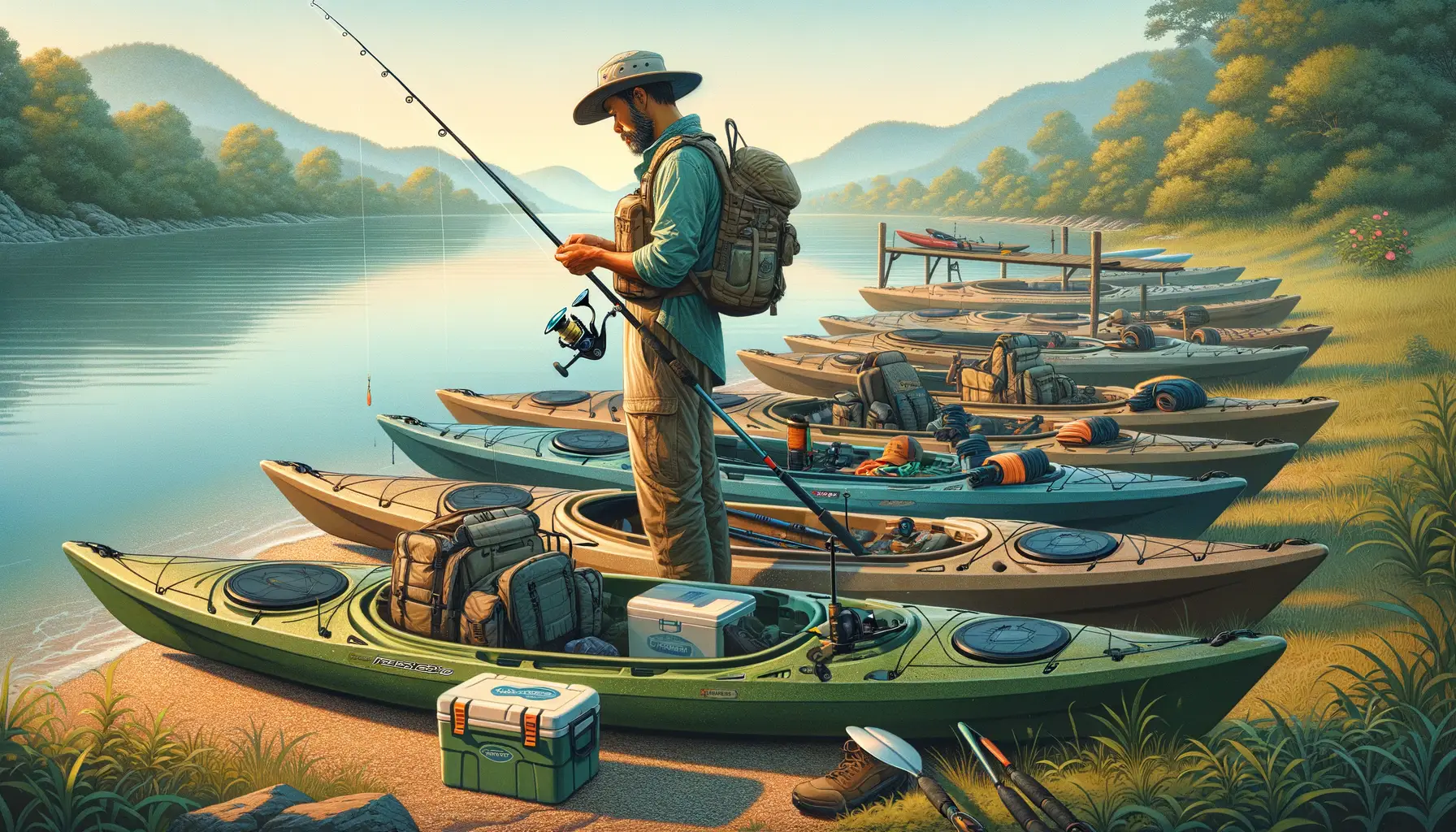
Did you know inflatable fishing kayaks are becoming increasingly popular due to their portability and ease of use? Whether you’re looking to explore new fishing spots or enjoy a relaxing day on the water, this guide has everything you need to succeed in 2025.


Invest in the Right Inflatable Fishing Kayak for 2025

When it comes to choosing the best inflatable fishing kayak, the options can seem endless—especially with all the advancements coming out in 2025. Here’s the thing: not all inflatable kayaks are created equal. You need to think about your fishing style, the waters you frequent, and, let’s be honest, your budget. Are you more of a calm-lake angler, or do you love tackling rivers with stronger currents? These factors matter.

Look for kayaks made with high-quality drop-stitch materials, which are becoming the gold standard for durability. Trust me, you don’t want to find yourself mid-fishing trip realizing your kayak can’t handle a snag from a sharp branch. Been there, done that—not fun.

Also, consider the kayak’s weight capacity. With all the gear we tend to lug around, you’ll want something that can handle you, your tackle box, a cooler, and whatever fish you plan to bring home. Pro tip: Always allow for an extra 50 to 100 pounds beyond what you think you’ll need. Better safe than sorry!


In the bustling marketplace of 2025, where inflatable fishing kayaks vie for the angler’s favour, ten vessels have risen to prominence, each with its own peculiarities and merits. Let us embark on a journey through this list

1. Intex Excursion Pro K2 ($)

Why It’s on the List:
The Intex Excursion Pro K2 is an affordable yet dependable option for beginners and budget-conscious anglers. It’s lightweight, easy to set up, and offers tandem seating, making it a practical choice for casual fishing trips. Despite its low cost, it’s made from durable materials that can withstand various conditions.


2. Sea Eagle 370 ($$)

Why It’s on the List:
Spacious and versatile, the Sea Eagle 370 offers room for multiple passengers and plenty of gear. Its durable construction handles calm and moderate waters, making it an excellent option for group fishing trips or extended outings.


3. Advanced Elements StraitEdge Angler ($$)

Why It’s on the List:
Compact and practical, this kayak is designed with anglers in mind. It features excellent tracking and stability, with a focus on ease of use. Its lightweight frame and integrated rod holders make it perfect for solo anglers looking for reliability without breaking the bank.


4. Sea Eagle 393rl Inflatable Kayak ($$$)

Why It’s on the List:
The Sea Eagle 393rl excels in speed and maneuverability. Its sleek design allows for efficient paddling, while its rigidity offers a stable platform for casting. It’s ideal for anglers seeking portability and high performance in one package.


5. Advanced Elements Advanced Frame Kayak ($$$)

Why It’s on the List:
Combining classic design with modern engineering, the AdvancedFrame kayak features an aluminium rib frame for improved rigidity and tracking. It’s compact yet high-performing, making it an excellent choice for anglers who value efficiency and a sleek design.


6. Advanced Elements StraitEdge Angler Pro ($$$)

Why It’s on the List:
With its drop-stitch floor for added rigidity, this kayak is perfect for anglers who prefer standing to cast. It offers excellent stability, ample storage space, and thoughtful features such as integrated rod holders, making it a top-tier choice for fishing enthusiasts.


7. Aquaglide Blackfoot Angler 130 ($$$$)

Why It’s on the List:
Built for serious anglers, the Blackfoot Angler 130 offers unmatched stability and durability. Its spacious design allows for carrying plenty of gear, and its performance in both calm and moving waters makes it a favorite among seasoned fishermen.


8. BOTE LONO Aero ($$$$)

Why It’s on the List:
This versatile hybrid kayak converts into a stand-up paddleboard, offering anglers multiple fishing styles in one vessel. Its stability, storage, and adaptability make it ideal for those who value both function and innovation.


9. Sea Eagle 385fta FastTrack Angler ($$$$)

Why It’s on the List:
The FastTrack Angler is designed for speed, stability, and comfort. Its streamlined design allows for efficient paddling, while its ample customization options cater to different fishing preferences. It’s a top choice for serious anglers who want reliable performance.


10. NRS Pike Fishing Kayak ($$$$$)

Why It’s on the List:
The NRS Pike Fishing Kayak is a high-end inflatable designed to endure tough conditions and meet the needs of dedicated anglers. Its reinforced construction, compact design, and practical features make it the ultimate choice for those who demand the best.

Each of these kayaks brings something special to the water, be it stability, speed, or the kind of reliability that makes you wonder why you ever considered anything else. Choose wisely, or just close your eyes and point—either way, you’ll end up with a winner.

Mastering the Setup and Inflation Process

Inflatable fishing kayaks are convenient, but let’s talk about the setup process for a second. If you’re new to this, it might seem a little intimidating at first. Don’t worry—once you’ve done it a couple of times, it’s a breeze.

First things first: invest in a good-quality pump. The manual pumps that come with some kayaks are fine, but if you want to save your energy for paddling and fishing, get yourself an electric pump. It’s worth every penny. One time, I thought I’d save money and stick with the manual pump—let me tell you, by the time I was done inflating the kayak, I felt like I’d already had a full workout.

Also, make sure you inflate your kayak to the manufacturer’s recommended PSI. Too little air, and the kayak will be floppy and unstable. Too much, and you risk damaging the material. A pressure gauge is your best friend here.

Gear Up for a Comfortable Day on the Water

One of the biggest mistakes I made early on was underestimating how important comfort is when fishing. Sitting in a kayak for hours can be tough on your back, so do yourself a favor and upgrade to a padded, adjustable seat if your kayak doesn’t already have one. Your future self will thank you.

And don’t forget about organization. Many of the newer inflatable fishing kayaks come with built-in rod holders, gear tracks, and storage compartments. Use them! Bring along a waterproof bag for your essentials like your phone, keys, and snacks. Oh, and a collapsible cooler for drinks and your catch? Game changer.

Practice Proper Maintenance to Extend Your Kayak’s Lifespan

If there’s one thing I’ve learned, it’s that taking care of your inflatable kayak is non-negotiable if you want it to last. After each trip, rinse it off with fresh water to remove dirt, sand, and salt. Leaving it dirty can weaken the material over time.

Let it dry completely before packing it away—moisture is a breeding ground for mold and mildew. I made the mistake of skipping this step once, and, well, let’s just say I spent way too much time scrubbing stubborn mildew stains off my kayak. Lesson learned.

Finally, store your kayak in a cool, dry place, away from direct sunlight. UV rays are no joke when it comes to degrading the material. If you can, keep it in a storage bag to protect it further.

Stay Safe and Know Your Limits

Fishing is supposed to be fun, but safety always comes first. Even though inflatable kayaks are incredibly durable these days, you still need to be mindful of where you’re paddling. Avoid sharp rocks, debris, or anything else that could puncture your kayak.

Wear a life jacket—always. I know it’s tempting to skip it, especially if you’re a confident swimmer, but accidents happen, and it’s better to be prepared.

Lastly, check the weather before heading out. A sudden change in wind or rain can turn a peaceful fishing trip into a stressful situation. Trust me, it’s not worth risking it.

By keeping these tips in mind, you’ll be well on your way to making the most of your inflatable fishing kayak in 2025. Happy fishing!


Inflatable fishing kayaks offer more than just convenience—they’re an opportunity to explore new waters and improve your fishing skills. Apply these tips, stay consistent, and see the results for yourself in 2025!

The Ultimate Guide to Freshwater Fishing in the UK: Tips, Tricks, and Techniques for 2025

The Ultimate Guide to Freshwater Fishing in the UK: Tips, Tricks, and Techniques for 2025


The Ultimate Guide to Freshwater Fishing in the UK: Tips, Tricks, and Techniques for 2025

Discover the best freshwater fishing techniques and tips in the UK for 2025. Learn practical advice to enhance your angling experience.

Did you know that the UK is home to over 400,000 hectares of freshwater? Whether you’re casting for trout in Scotland or targeting pike in the Midlands, this guide has everything you need to succeed in 2025.


River Wye, Wales and England

If you’re searching for an unforgettable freshwater fishing experience, the River Wye should be at the top of your list. Stretching across both Wales and England, this river is famous for its stunning scenery and thriving fish population. Anglers come here for the barbel and chub, but let me tell you, the real reward is the sense of peace you’ll feel while fishing in such a picturesque setting. I remember one early summer morning when the mist was still hanging low over the water—I cast my line and within minutes, I had hooked a barbel that gave me a fight I’ll never forget! If you’re new to fishing here, local guides and permits are easy to arrange, and trust me, the tips they’ll offer can make all the difference.

Loch Awe, Scotland

Loch Awe is simply a dream for anglers. Known for its wild brown trout, this Scottish loch is one of the best spots for those who love a challenge. The trout here aren’t just plentiful—they’re big. I once spent a weekend here with friends, and while we didn’t land any record-breaking fish, the camaraderie and the sheer beauty of the surroundings made it unforgettable. Pro tip: if you’re planning a trip, the best time is early spring when the trout are most active. Oh, and don’t forget your rain gear—Scotland loves to surprise you with a sudden downpour!

River Test, Hampshire

The River Test is a legend in the world of freshwater fishing, especially if you’re into fly fishing. As one of the UK’s finest chalk streams, it’s renowned for its clear waters and abundance of brown trout and grayling. I’ll admit, the first time I tried my hand at fly fishing here, it was a bit of a comedy show—I spent more time untangling my line than actually fishing. But once you get the hang of it, there’s nothing quite like the thrill of watching a trout rise to your fly. Just be prepared to book in advance, as this spot is incredibly popular.

Grafham Water, Cambridgeshire

For those who love variety, Grafham Water is a must-visit. This reservoir is home to rainbow trout, zander, and pike, making it a versatile spot for anglers of all skill levels. I’ll never forget the time I hooked a zander here—it was my first, and let’s just say I was a little too excited and almost dropped my rod in the water! The facilities are excellent, with boat hire available and plenty of spots to fish from the shore if you prefer. It’s also family-friendly, so it’s a great place to introduce kids to the joys of fishing.

River Tay, Scotland

The River Tay is synonymous with salmon fishing, and for good reason. It’s one of the best places in the UK to catch Atlantic salmon, and the season here runs from January to October. I once spent a chilly autumn day here, and while I didn’t catch anything huge, the sheer thrill of battling a powerful salmon on the line was worth every second. If you’re planning a trip, hiring a ghillie (a local fishing guide) is highly recommended—they’ll not only show you the best spots but also share fascinating stories about the river’s history and wildlife.

Llyn Tegid (Bala Lake), Wales

Llyn Tegid, also known as Bala Lake, is Wales’ largest natural lake and a fantastic spot for coarse fishing. It’s home to pike, perch, and roach, and the tranquil atmosphere makes it perfect for a relaxing day out. I’ll always remember the time I spent here with my dad—it wasn’t about catching the biggest fish but about enjoying the simple pleasure of being out on the water together. If you’re bringing a boat, make sure to check the local regulations, as permits are required.

Chew Valley Lake, Somerset

Chew Valley Lake is a haven for those who love fishing for trout. This spot is particularly popular with fly fishers, and the reservoir’s size means there’s plenty of space to find your own quiet corner. The first time I fished here, I was blown away by how well-stocked the lake is—it felt like every other cast had a bite! There’s also a café nearby, so you can grab a warm drink after a chilly morning on the water. Just be sure to book your permits in advance, as this spot can get busy, especially on weekends.

River Itchen, Hampshire

Another chalk stream gem, the River Itchen is a paradise for fly fishing enthusiasts. It’s smaller than the River Test but no less beautiful, and it’s teeming with brown trout and grayling. I’ll never forget the first time I caught a grayling here—it wasn’t the biggest fish, but its delicate, shimmering scales were absolutely stunning. If you’re new to fly fishing, this is a great place to learn, as the river’s clarity makes it easier to spot fish and practice your technique.

Rutland Water, Leicestershire

Last but certainly not least, Rutland Water is a fantastic spot for both beginner and experienced anglers. Known for its rainbow trout, this reservoir offers a variety of fishing options, from boat to bank fishing. What I love about Rutland is its accessibility and the friendly community of anglers—you’re bound to pick up a few tips just by chatting with others on the shore. I once had a long conversation with a seasoned local who taught me the ins and outs of using buzzers effectively, and it completely transformed my approach. If you’re visiting, don’t miss out on the stunning views of the surrounding countryside—it’s the perfect backdrop for a day of fishing.


Freshwater fishing in the UK is more than just an activity—it’s an opportunity to connect with nature and enjoy the tranquility of the outdoors. Apply these tips, stay consistent, and see the results for yourself in 2025!

Guide to Freshwater Fishing in the UK

Guide to Freshwater Fishing in the UK

The Ultimate Guide to Freshwater Fishing in the UK: Tips, Tricks, and Techniques for 2025

Discover the best freshwater fishing UK techniques and tips for 2025. Learn practical advice to enhance your fishing experience.

“Did you know the UK boasts over 390,000 hectares of lakes and reservoirs perfect for freshwater fishing? Whether you’re aiming to catch the elusive pike or a trophy trout, this guide has everything you need to succeed in 2025.”

Choose the Right Location for Freshwater Fishing

When it comes to freshwater fishing in the UK, picking the right spot is half the battle. Trust me, I’ve learned this the hard way. You don’t want to waste precious hours casting your line into waters that aren’t teeming with life. Research is key. Local angling clubs are a treasure trove of information—they often know the best fishing spots like the back of their hand. Places like the Lake District, River Wye, and Norfolk Broads are popular for a reason. But don’t just follow the crowds; sometimes, the smaller, lesser-known lakes deliver the best results.

Another trick? Scout the area before you fish. Early morning or late evening is perfect for this. Look for signs of activity—ripples on the surface, jumping fish, or even birds diving into the water. These are nature’s cues that the fish are active and nearby.


Use the Best Gear for the Job

Let’s talk equipment. You don’t need to spend a fortune, but having the right tools makes a world of difference. Start with a sturdy rod and reel combo. For freshwater fishing, a medium-action rod is versatile enough to handle most situations. If you’re targeting specific species like carp or pike, be sure to use gear designed for their size and strength.

And don’t skimp on your line! I’ve seen too many anglers lose a great catch because they were using old or low-quality fishing line. Match the line strength to the fish you’re after—something around 8-12 lb test works well for most freshwater species. Also, make sure your hooks are sharp. Dull hooks are a surefire way to lose fish.


Bait and Lures: Match the Hatch

Here’s the thing about bait—it’s not a one-size-fits-all situation. The best bait depends on the fish and the season. Worms and maggots are classic and work for many species, but sometimes you need to think outside the box. For example, sweetcorn can be a killer bait for carp, while pike often go for flashy lures that mimic small fish.

When it comes to lures, pay attention to the water conditions. If the water’s murky, go for something brightly colored that fish can easily spot. Clear water? Stick to more natural colors. And don’t be afraid to experiment. I once caught a surprising number of perch using a lure I’d almost given up on—it’s all about trial and error.


Timing is Everything

Fishing is as much about patience as it is about timing. Early mornings and late evenings are generally prime time for freshwater fishing. Fish tend to be more active during these cooler parts of the day. That said, weather can also play a huge role. Overcast days are often ideal, as fish feel safer venturing closer to the surface when it’s not too bright.

Keep an eye on the barometric pressure too. Rising pressure often means fish are feeding, while falling pressure can put them off. It might sound overly scientific, but trust me, it’s worth paying attention to. I once ignored this and spent hours fishing under the wrong conditions—it was a humbling experience, to say the least.


Practice Catch and Release

One of the best things about freshwater fishing in the UK is the focus on conservation. Many anglers practice catch and release to preserve fish populations for future generations. If you’re releasing your catch, handle the fish as little as possible and always wet your hands first to avoid damaging their protective slime layer.

Use barbless hooks when you can—they make it easier to release the fish without causing unnecessary harm. And if you do keep a fish or two for the dinner table, make sure you’re following local regulations. Sustainable fishing is a win-win for everyone.


Keep Learning and Adapting

Here’s the truth: no matter how experienced you are, there’s always something new to learn in fishing. Techniques evolve, gear improves, and every fishing trip teaches you something unique. Join online forums, watch tutorials, or even book a session with a professional guide if you can.

Every trip is an opportunity to refine your skills. I’ve had days where I caught nothing but learned so much that my next outing was a huge success. The key is to stay curious and adaptable.

Freshwater fishing UK is more than just an activity—it’s an opportunity to connect with nature and enjoy the tranquility of the great outdoors. Apply these tips, stay consistent, and see the results for yourself in 2025!


The Ultimate Guide to Fresh Water Fishing USA: Tips, Tricks, and Techniques for 2025

The Ultimate Guide to Fresh Water Fishing USA: Tips, Tricks, and Techniques for 2025


The Ultimate Guide to Fresh Water Fishing USA: Tips, Tricks, and Techniques for 2025

Discover the best fresh water fishing USA techniques and tips for 2025. Learn practical advice to elevate your fishing adventure.

“Did you know the USA has over 3.5 million miles of rivers perfect for fishing? Whether you’re planning a serene getaway or an adventurous trip, this guide has everything you need to succeed in 2025.”

Research Your Fishing Spot

The first step to a successful freshwater fishing trip in 2025 is doing your homework. Look up the lakes, rivers, or reservoirs you’re planning to fish in and research what species are most common there. Are you heading to Lake Guntersville for bass or the Madison River for trout? Different locations mean different tactics, so tailor your approach accordingly. You’d be surprised how much local fishing reports, social media groups, and even YouTube videos can reveal about hotspots and conditions. I once ignored a local tip about fish biting on red crankbaits, and guess what? I spent hours skunked while the guy next to me reeled in bass after bass. Lesson learned—knowledge is power.

Invest in Quality Gear

It’s tempting to stick with that old rod and reel you’ve had since college, but investing in updated equipment can make a world of difference. Newer rods are often lighter and more sensitive, allowing you to feel even the faintest nibble. Plus, reels these days are smoother than ever, which means fewer frustrating tangles. Trust me, I learned this the hard way when my ancient spinning reel jammed just as I hooked what felt like the fish of a lifetime. Spoiler alert: The fish got away. Whether you’re targeting crappie, catfish, or walleye, having reliable gear tailored to your target species can save you headaches—and heartbreaks.

Master Seasonal Patterns

One of the most underrated tips for freshwater fishing success is understanding how fish behavior changes with the seasons. In spring, fish are often in shallow waters for spawning, while in summer, they retreat to deeper, cooler areas. Fall can be an excellent time for aggressive bites as fish bulk up for winter, and colder months often mean slower presentations. I’ll never forget a chilly November morning when switching to a slow jigging technique turned a slow day into a personal-best haul. Pay attention to water temperature, weather conditions, and the calendar, and you’ll stay one step ahead of the fish.

Use Live Bait Strategically

While artificial lures have their charm, live bait often outperforms, especially when targeting species like crappie, catfish, or bluegill. Worms, minnows, and even leeches can work wonders when presented correctly. But here’s the catch—pun intended—keeping your bait alive and lively is essential. I’ve made the mistake of letting my minnows sit in warm, stagnant water, and unsurprisingly, the fish weren’t interested. Invest in an aerated bait bucket and handle your bait carefully to maximize its appeal.

Practice Catch-and-Release Ethics

With growing awareness about conservation, it’s more important than ever to practice good catch-and-release habits. Use barbless hooks when possible, handle fish with wet hands or a rubberized net, and minimize the time they’re out of the water. I’ll admit, I used to be less careful about this, but after seeing a few fish struggle post-release, I realized I needed to step up my game. The healthier the fish you release, the better the fishing for everyone in years to come.

Embrace Technology

Fishing in 2025 isn’t just about casting a line; it’s about leveraging technology to your advantage. Fish finders and sonar devices have become incredibly advanced, helping you locate fish and even determine their size and depth. Smartphone apps can provide real-time weather updates, so lunar calendars, and even GPS mapping of underwater structures. I was sceptical at first—old-school all the way—but after using a fish finder to locate a submerged brush pile teeming with crappie, I became a believer.

Stay Patient and Adaptable

Lastly, remember that fishing is as much about patience as it is about skill. Some days, the fish just won’t cooperate, and that’s okay. Be willing to switch up your tactics—try a different lure, move to a new spot, or adjust your presentation speed. Flexibility is key. I’ve had days where persistence and a change of approach turned a dud into an unforgettable success. Sometimes, it’s as simple as being in the right place at the right time, so don’t give up too quickly.

“Fresh water fishing USA is more than just an activity—it’s an opportunity to connect with nature and enjoy a rewarding pastime. Apply these tips, stay consistent, and see the results for yourself in 2025!”

Fresh Water Fishing in the USA: Everything You Need to Know in 2025

Fresh Water Fishing in the USA: Everything You Need to Know in 2025


Fishing in the USA: Everything You Need to Know in 2025

Discover the best fresh water fishing spots in the USA in 2025. Learn essential tips, techniques, and gear to elevate your fishing experience.

Did you know that the USA is home to over 3.5 million miles of rivers and streams, perfect for fresh water fishing? Whether you’re a seasoned angler or a curious beginner, there’s something about the tranquillity of casting a line into a quiet lake that captures the heart. In this guide, we’ll delve into the best fresh water fishing spots across the USA, explore top techniques, and share essential tips to enhance your fishing adventures. So grab your tackle box, and let’s dive into the world of fresh water fishing.

Lake Guntersville, Alabama

Lake Guntersville is a dream destination for bass fishing enthusiasts. Located in northern Alabama, this lake is renowned for its largemouth bass population, making it one of the most popular fishing spots in the country. Whether you’re an experienced angler or just starting out, the sheer size of this lake—spanning 69,000 acres—means there’s room for everyone to cast a line. Spring and fall are prime seasons here, with fish actively feeding in shallow waters. If you’re lucky, you might even reel in a trophy-sized bass. Pro tip: try using topwater lures during early mornings or late evenings for the best results.

Lake Okeechobee, Florida

Known as the “Big O,” Lake Okeechobee is one of the largest freshwater lakes in the United States. It’s a haven for anglers looking to catch largemouth bass and crappie. The lake’s shallow, grassy waters make it an ideal spot for flipping and pitching techniques. The local fishing community is incredibly welcoming, and it’s easy to book a guided tour if you’re unfamiliar with the area. Just be prepared for the alligators—they’re part of the scenery, but they tend to keep their distance. Trust me, the fishing here is worth the occasional nervous glance at the water’s edge.

Devil’s Lake, North Dakota

Devil’s Lake is a hidden gem for anglers seeking walleye, northern pike, and perch. This lake is unique because it’s constantly expanding due to natural flooding, which has created an abundance of underwater structures like submerged trees and old roads—perfect habitats for fish. Ice fishing is particularly popular here during the winter months, and it’s an experience you won’t soon forget. Bundle up, set up your ice house, and enjoy the thrill of pulling a walleye through a hole in the ice. It’s a bucket-list experience for any freshwater fishing enthusiast.

Lake Fork, Texas

If you’re serious about catching a record-breaking largemouth bass, Lake Fork should be at the top of your list. This East Texas lake is carefully managed to support trophy-sized fish, and it shows—some of the largest bass in the country have been caught here. The lake is dotted with submerged timber, which creates excellent fishing conditions but also requires careful navigation. A good fishfinder can be a lifesaver here. Don’t forget to check local regulations, as some areas of the lake have specific slot limits to protect the bass population.

Boundary Waters Canoe Area, Minnesota

For those seeking a more serene and remote fishing experience, the Boundary Waters Canoe Area (BWCA) in Minnesota is a must-visit. This sprawling wilderness area offers countless lakes teeming with smallmouth bass, walleye, and northern pike. The catch here isn’t just the fish—it’s the breathtaking scenery and sense of solitude. You’ll need a canoe to access most of the fishing spots, which only adds to the adventure. Pack light, but don’t skimp on the bug spray—mosquitoes can be relentless during summer months.

Lake Champlain, Vermont/New York

Straddling the border between Vermont and New York, Lake Champlain is a freshwater angler’s paradise. The lake is home to a diverse range of species, including bass, trout, and salmon. What’s unique about Lake Champlain is the variety of fishing techniques you can use, from trolling for lake trout to casting for smallmouth bass along rocky shorelines. Fall is an especially beautiful time to visit, with the surrounding foliage providing a stunning backdrop to your fishing adventure.

Columbia River, Oregon/Washington

While primarily known for its salmon and steelhead runs, the Columbia River also offers excellent freshwater fishing for smallmouth bass, walleye, and sturgeon. The river’s vast size and strong currents make fishing here a bit more challenging, but the rewards are well worth it. Hiring a guide is a good idea, especially if you’re new to the area. And don’t be surprised if you find yourself hooked on more than just the fish—the views of the surrounding mountains and forests are absolutely breath taking.

Table Rock Lake, Missouri

Nestled in the Ozarks, Table Rock Lake is a top destination for anglers targeting largemouth, smallmouth, and spotted bass. The lake’s clear waters and rocky shorelines make it a favorite for both recreational and competitive fishing. Spring is the best time to visit, as bass move into shallow waters to spawn. If you’re into night fishing, this lake is perfect for it, especially during the summer months. Bring a good headlamp and enjoy the tranquillity of fishing under the stars.

Lake Michigan, Great Lakes Region

While technically a mix of freshwater and some influence from its connected waterways, Lake Michigan deserves a mention for its incredible fishing opportunities. Anglers flock here for salmon, trout, and perch. The sheer size of this lake can be intimidating, so consider booking a charter if you’re unfamiliar with its waters. Fishing from a pier is also a great option for beginners. Be sure to check weather conditions before heading out—Lake Michigan’s waves can be unpredictable, but the fishing here is second to none.

Fresh water fishing in the USA offers boundless opportunities for relaxation, adventure, and connection with nature. Whether you’re fishing for the thrill of the catch or the peaceful solitude, remember to respect the environment and practice sustainable fishing. So, what are you waiting for? Plan your next fishing trip and immerse yourself in the beauty of America’s fresh waters. Happy fishing!